
Last updated November 18, 2026
 Hardwood
 Engineered hardwood
 Luxury vinyl plank
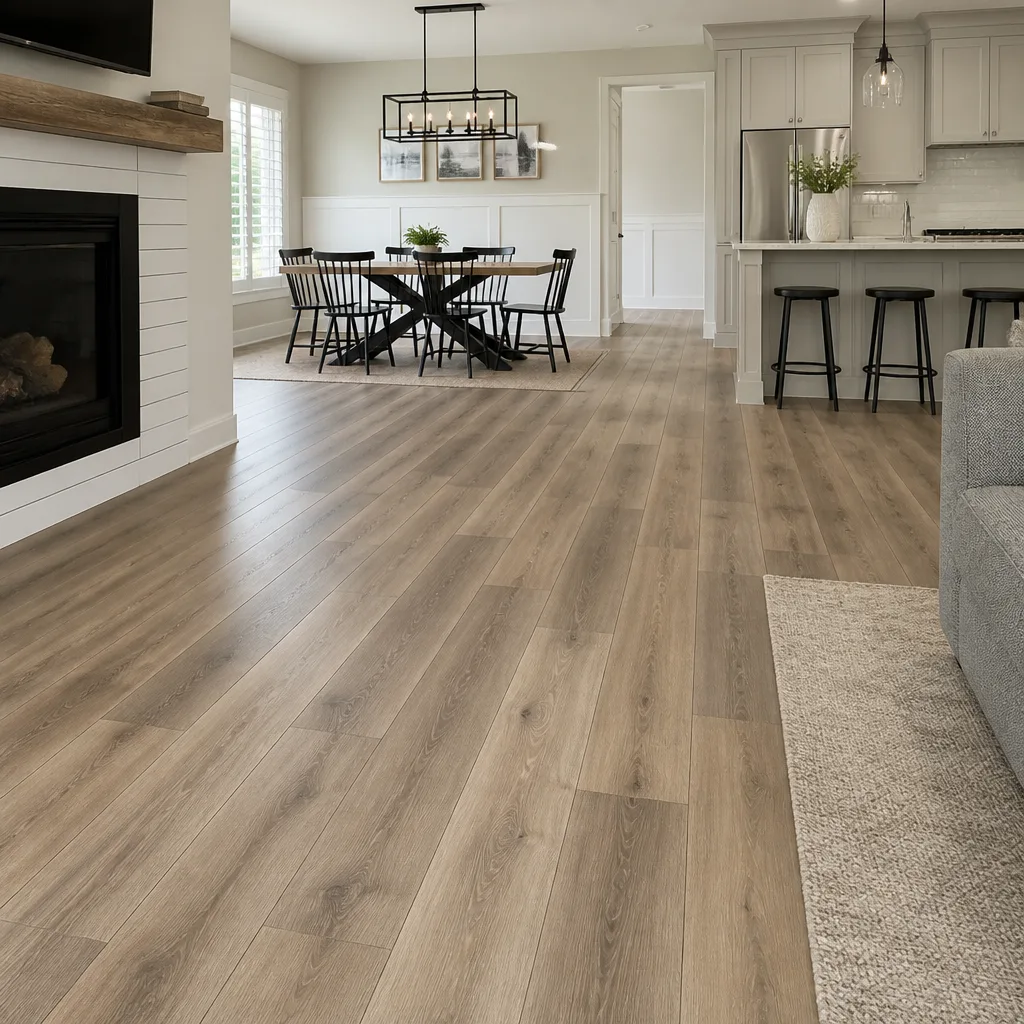 Laminate
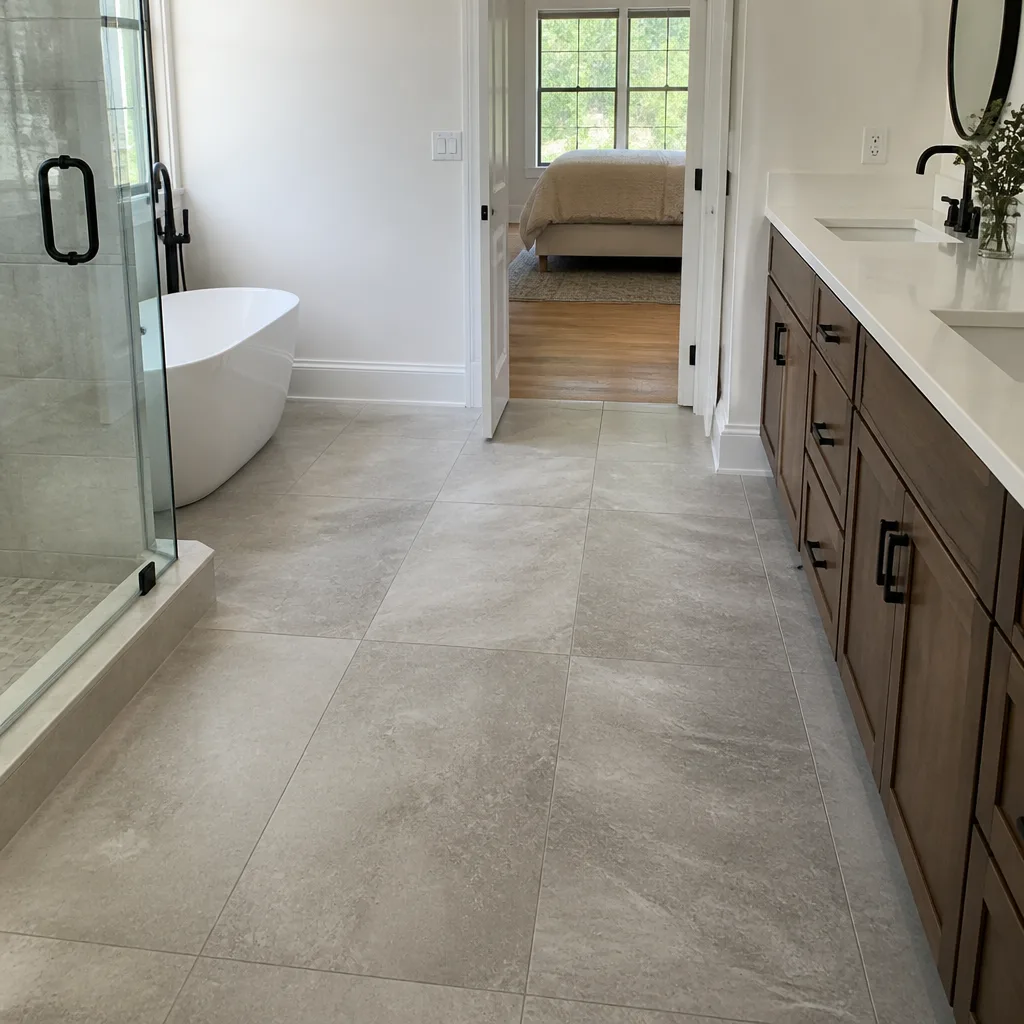 Porcelain tile
 Carpet
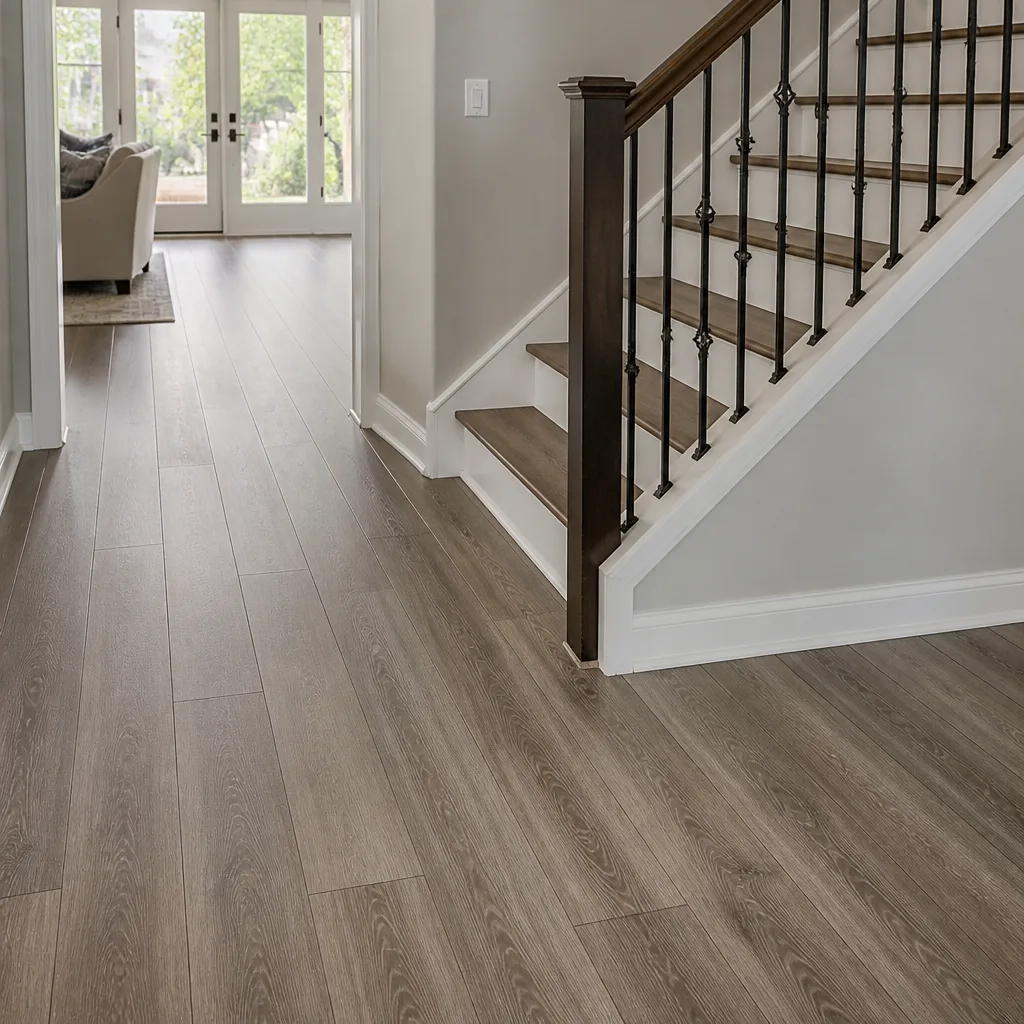 Shaw
 Mohawk
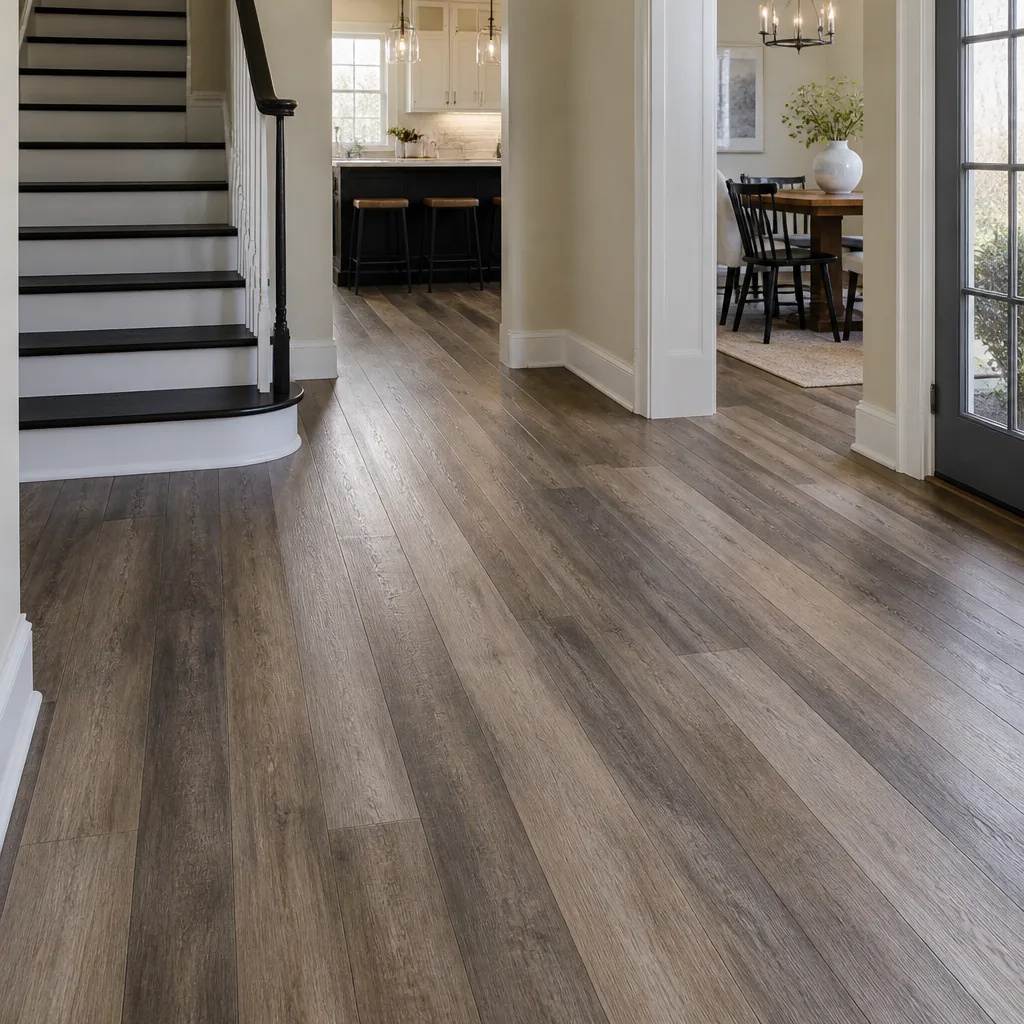 COREtec
 Pergo
Free in-home measure and written estimate: Shaw, Mohawk, COREtec and Pergo lines compared on your own rooms, with carpet, tile, vinyl plank, laminate and hardwood laid out side by side
Get your free estimateHow to Hire a Flooring Contractor in Enterprise: A Step-by-Step Guide
Most homeowners in Enterprise shop for flooring by comparing products first and contractors second. That order is backwards, and it’s the reason so many flooring projects go wrong. The floor you choose matters, but the person who installs it decides whether that floor performs the way it should. Nevada requires a contractor’s license for flooring installation work above a certain job value, and most homeowners never ask for the license number, which leaves them with little recourse if an unlicensed installer takes the money and walks away from a bad job. What we’ll cover here: how to check a license, the phone questions that filter out weak bids fast, what a real flooring contract contains, and the Southern Nevada red flags that tell you to keep looking. By the end you’ll have a vetting sequence you can run on every bid you collect in Enterprise.
Quick Answer
To hire a flooring contractor in Enterprise, verify an active Nevada State Contractors Board license and a flooring-relevant classification before you schedule anything, ask five screening questions on the phone, and require a written contract that names the material, the grade, the scope, the payment schedule and the labor warranty. Hire one party who supplies and installs the floor so there’s a single accountable source when something goes wrong.
Styles & brands we work with
- Hardwood
- Engineered hardwood
- Luxury vinyl plank
- Laminate
- Porcelain tile
- Carpet
- Shaw
- Mohawk
- COREtec
- Pergo
Table of Contents
- How do you verify a flooring contractor’s license in Nevada?
- What five questions should you ask before scheduling an estimate?
- What must a flooring contract include?
- Why should one company supply the material and install it?
- What flooring challenges are specific to Enterprise and Southern Nevada?
- Which red flags should stop a flooring bid cold?
- What happens during an in-home estimate?
- Common Mistakes to Avoid
How do you verify a flooring contractor’s license in Nevada?
You verify a flooring contractor in Nevada by looking up the license number on the Nevada State Contractors Board website before any work begins, then confirming the classification matches the work. A license number is only the start. What you’re checking is whether the license is active, whether it covers flooring, and whether the name on the license matches the name on the bid.
The sequence matters, so run it in order:
- Ask for the license number in writing. Any legitimate contractor gives it without hesitation. A refusal or a “we’ll send it later” is your answer.
- Look it up yourself. Nevada’s board maintains a public license search. Don’t rely on a screenshot or a card; go to the source.
- Check the status. Active, expired, suspended or revoked all read differently. Expired is common and easy to miss.
- Confirm the classification. Nevada licenses contractors by classification, and the classifications change over time. Ask the board or the contractor which classification applies to flooring installation specifically, and make sure the bid is for work that classification covers.
- Match the business name. The entity on the license should be the entity on your contract. A license held by one company and a contract signed by another is a problem you don’t want to discover mid-project.
Nevada’s threshold for requiring a license on a flooring job is a job-value question, and the number has moved over the years. Rather than rely on a figure you read somewhere, ask the Nevada State Contractors Board directly what the current threshold is, or simply treat any flooring job as license-required work. The practical answer for an Enterprise homeowner is this: if the installer can’t produce a license number, don’t book the job. There’s no upside to taking that risk on a floor that will stay in your home for years.
Licensing is also the reason to bring in a specialist rather than a generalist who adds flooring to a long list. A company that does nothing but floors knows the subfloor conditions, the material behavior and the installation technique each product demands. That focus is what you’re buying. If you want to see how this looks in practice in our own community, the Enterprise page lays out the work we do locally.
What five questions should you ask before scheduling an estimate?
Ask five questions on the phone, before anyone comes to your home. The answers weed out unqualified bids in minutes, and they cost you nothing but a call. A contractor who can answer these clearly and specifically is worth bringing into the house. One who can’t is doing you a favor by revealing it early.
1. “What’s your Nevada license number, and what classification covers flooring?” You already know to look this up, but the speed and confidence of the answer tells you whether licensing is routine for them or a topic they avoid.
2. “Do you supply the material, or do I buy it and you install it?” Here you’re probing for accountability. A company that supplies and installs the floor owns the whole result. A labor-only arrangement splits responsibility between the material seller and the installer, and when something fails, each points at the other. This is the single biggest structural decision in the project.
3. “Which brands and product lines do you install regularly?” You’re not looking for a list of every brand on earth. You’re looking for a handful of lines they know well and can speak about with specifics. In our work, we install and service nine leading brands, including Armstrong, Mannington, Daltile and Karndean, and that range matters because different rooms call for genuinely different materials. Carpet in a bedroom, tile in a wet area, and luxury vinyl plank through a hallway ask for different skills, and the answer to this question tells you whether the person on the phone has them.
4. “How do you handle a floor that isn’t flat, and what do you check before installation?” Subfloor preparation is where cheap bids are built. A vague answer here (“we just lay it down”) means the preparation will be skipped or billed later as an extra.
5. “What’s your written labor warranty, and can I see the contract before I commit?” A labor warranty that exists only in conversation doesn’t exist. Ask to see the contract language on warranty before you sign.
Notice what these questions don’t ask: price. Price comes after qualification, not before. If you want to know how a room-by-room project can be handled by one accountable party, our guide to carpet installation is a useful look at how one category of that work is scoped.
What must a flooring contract include?
A legitimate flooring contract in Nevada must specify the scope of work, the material by manufacturer and grade, the project timeline, the payment schedule and the warranty terms, all in writing and all signed before work starts. If any one of those is missing or vague, the contract isn’t finished. Don’t let a verbal “we’ll take care of it” stand in for any of them.
Here’s what to demand in each section:
- Scope. Which rooms, how much square footage per room, what gets removed and hauled away, what happens to the baseboards, and whether subfloor prep is included or billed separately. Square footage should be measured, not estimated from your memory of the room dimensions.
- Materials, by name and grade. Not “vinyl plank” but the specific manufacturer and product line. Not “tile” but the tile you selected. The manufacturer and grade on the contract are what you have to point to if the delivered material doesn’t match what you chose.
- Timeline. Start date and how the schedule is set. Real flooring schedules depend on the material and the home, so the contract should reflect the actual measured job, not a guess made over the phone.
- Payment schedule. A deposit that covers materials is normal. Full payment upfront is not. The balance should be tied to completion, not to a date.
- Warranty language. There are two warranties in every flooring project: the manufacturer’s warranty on the product and the installer’s warranty on the labor. Both should be in the contract. Never accept a labor warranty that exists only as a verbal promise.
Read the whole contract, including the fine print about change orders. A contractor who is comfortable with you reading every line is a contractor worth hiring.
One note on installation itself: the schedule for your install is set at the estimate, once the material is chosen and the rooms are measured. We don’t promise installation lengths over the phone, because the honest answer depends on the product and the condition of your existing floor. What we do promise is a written price and a booked install day agreed before work starts.
Why should one company supply the material and install it?
Hiring one company to supply and install the floor creates a single accountable party, which eliminates the blame-shifting that happens when material and labor come from separate sources. When a floor fails, the diagnosis matters less than who’s responsible for fixing it. Split the material from the labor and you’ve created a gap where responsibility falls through.
Walk through how the finger-pointing works. A plank lifts at a seam on a job where you bought the flooring from a big-box store and hired an installer off a referral. The installer says the material was defective. The store says the installer prepped the subfloor wrong. Both are plausible. Neither is willing to pay. You’re left holding a failed floor and no clear path forward, and the cost of figuring it out lands on you.
Now the same failure on a job where the company supplied the material and installed it. The accountable party is one. They can’t deflect to a supplier or a separate crew, because there isn’t one. That’s the practical value of a single source: not that failures never happen, but that when they do, there’s exactly one place to take the problem.
There’s a quality benefit too. A company that supplies and installs tends to know the products it sells with real depth, because its reputation rides on how they perform after installation. We install vinyl plank from COREtec and Karndean, for instance, and that category rewards precise installation technique: the prep, the layout, the tolerances. Carrying the material means we’ve watched how it behaves on real floors, and that knowledge goes into how we install it. The same applies to tile. Working with a professional-grade line like Daltile means sourcing material built for installation at a different level than what’s on the big-box shelf, and it lets us take on large-format and specialty tile that box-store installers routinely decline.
The other advantage is simpler. A whole-home project that touches carpet, tile and hardwood doesn’t need three separate contractors with three schedules and three contracts. One call covers all three categories, and one party is accountable for the finished result.
What flooring challenges are specific to Enterprise and Southern Nevada?
Flooring in Enterprise has to handle a dry desert climate and housing stock that’s often newer than in older parts of the valley, and those conditions shape which material makes sense and how it should be installed. The surrounding terrain and winter winds bring fine dust that finds its way indoors, and the dry air affects how wood and wood-based products behave over time. None of that changes the basics of hiring a contractor, but it does change the conversation you should have.
Here’s what’s worth discussing with your contractor during the estimate:
- Dust and cleaning. Firm, smooth surfaces handle desert dust better than deep pile, which is one reason tile and luxury vinyl plank are common through the main living areas of Enterprise homes. Carpet still belongs in bedrooms, where comfort matters more than cleanup.
- Sun exposure. Strong sun through west-facing windows can change how a floor near the glass looks over time. Ask the contractor how the material you’re considering behaves in high light, and how to protect the finish.
- Moisture from below. Desert air is dry, but moisture can still come up through a slab, and any floor over a slab needs that addressed before installation. Water-resistant flooring handles surface spills, but standing water and moisture from below still have to be dealt with. No floor is immune to a wet slab.
- Subfloor flatness. How flat the subfloor needs to be depends on the specific product, and those requirements come from the product’s installation instructions. That’s why subfloor prep belongs in the written estimate, not as an afterthought.
Then there’s the local trade-off: restoration versus replacement. Enterprise has a lot of homes with original wood floors that are structurally sound but worn and dated in appearance. Refinishing is often the smarter move, preserving the original character of the home and keeping a real wood floor rather than replacing it with something engineered. Not every wood floor can be refinished: whether yours can depends on the thickness of the wood and its condition, and that gets checked at the estimate visit. Our tile flooring installation work follows the same principle: install with the local climate and the room’s use in mind, not just the showroom look.
Which red flags should stop a flooring bid cold?
Some bids read badly the moment you see them. Others look fine until you know what to look for. These are the red flags we see most often on flooring proposals in Enterprise, and any one of them is a reason to slow down.
- Square footage you didn’t get measured. A bid based on your rough description of the room will grow once the contractor arrives and measures. Insist on an in-home measurement and a number tied to it.
- No written labor warranty. Manufacturer warranty on the product is not the same as the installer’s warranty on the work. If the labor warranty is verbal only, it’s not a commitment you can hold anyone to.
- Full payment upfront. A materials deposit is reasonable. Demanding the entire job cost before the first plank goes down puts all the risk on you. The balance should come due at completion.
- No license number, or a number that doesn’t match the contract. Any of the license mismatches above is disqualifying. Don’t talk yourself into it because the price is good.
- A quote with no material grade. “Carpet plus install” tells you nothing about what’s being installed. Demand manufacturer and product line.
- Pressure to decide today. A real estimate holds for a reasonable period and doesn’t need a same-day signature to be valid.
- Vague timelines that shift once the job starts. A schedule that changes without a written change order means the finish date is a moving target.
One more: an installer who can’t tell you which classification covers flooring, or who seems unfamiliar with the Nevada board’s licensing requirements, is telling you something about how they run their business. Trust that signal.
What happens during an in-home estimate?
An in-home estimate is not a sales visit. It’s an inspection of your rooms and a conversation about what you want, followed by a written price for a measured job. The estimate is where the details get settled, and it should feel thorough without feeling like a pitch.
Here’s what a good estimate visit covers:
- Measure every room. Not a description of the dimensions, an actual measurement of each space, including the transitions between rooms and the closet openings.
- Inspect the existing floor and subfloor. What’s under the floor, its condition, how flat it is, and what preparation it needs.
- Talk through materials room by room. Where carpet makes sense and where it doesn’t, where a water-resistant vinyl plank is the right call, and whether existing wood can be refinished rather than replaced.
- Answer every question you have. This is your chance to ask how the material handles sunlight, dust, pets and daily wear, and to see samples of the specific products you’re considering.
- Hand you a written quote. With the material named by manufacturer and product line, the scope listed, the prep included, the timeline and payment schedule, and the warranty language, in writing.
The estimate is free, and there’s no obligation attached to it. If you’re in the middle of a renovation or a room refresh and you want to see how the numbers look, call Flooring Installation Enterprise to schedule your free estimate and get the measurement done properly.
Common Mistakes to Avoid
- Buying the material first, then shopping for an installer. This splits accountability before the project even starts. Choose the accountable party first, then choose the material with them.
- Comparing bids that cover different work. One quote includes subfloor prep and the other doesn’t. One includes hauling away the old floor and the other doesn’t. Compare the scope, not just the bottom number.
- Taking a verbal warranty. The manufacturer warranty on the product and the installer’s warranty on the labor are different things. Get both in writing.
- Assuming the license question is optional because the job feels small. Nevada’s license threshold is a job-value question, and a small job can still fail badly. Confirm the license regardless of the job size.
- Ignoring the subfloor during the bid. Uneven subfloors are the most common source of a floor that looks wrong or fails early. Make sure prep is in the estimate, not billed later.
- Letting a sales floor picture stand in for a sample. Ask to see the actual product line being quoted, and check how it looks in your light.
- Paying in full before installation. The balance belongs on completion. A schedule where the entire cost is due upfront leaves you with no leverage once work begins.
See the difference
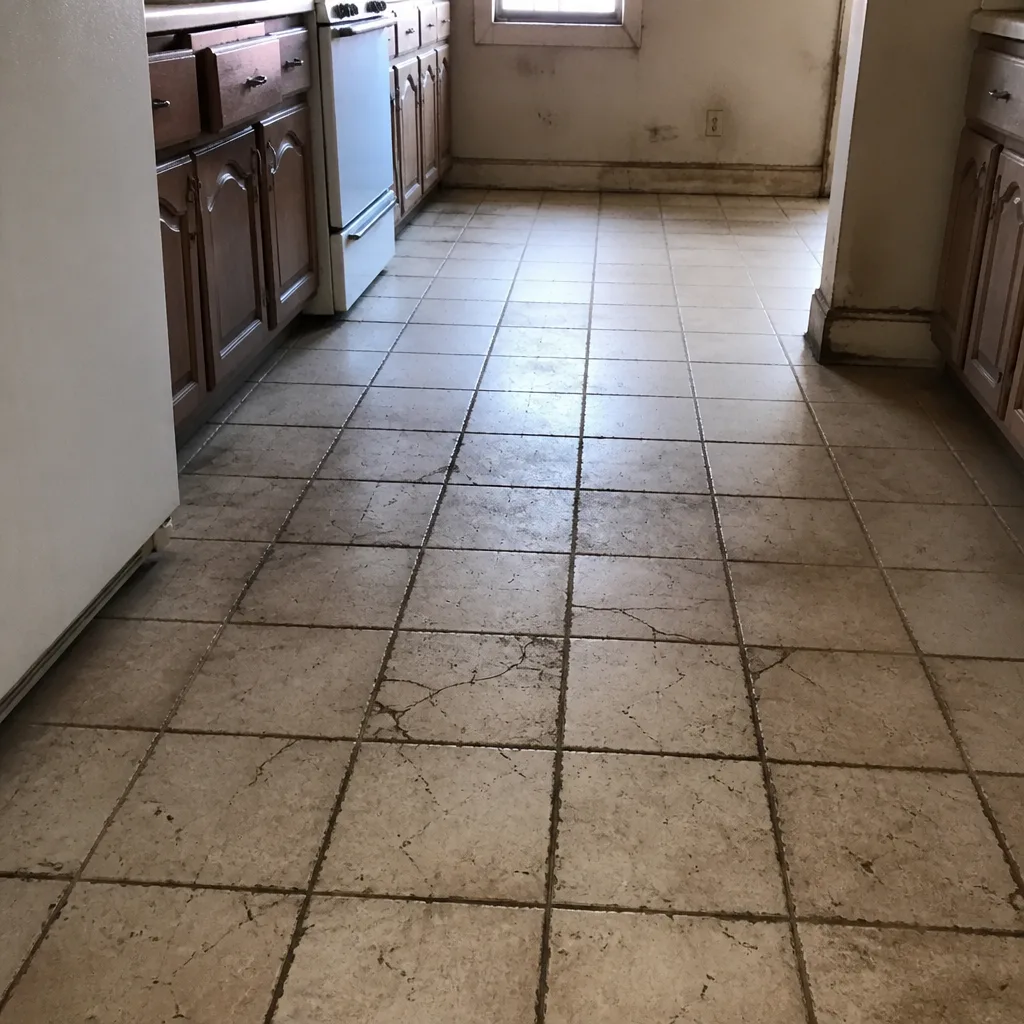 Before
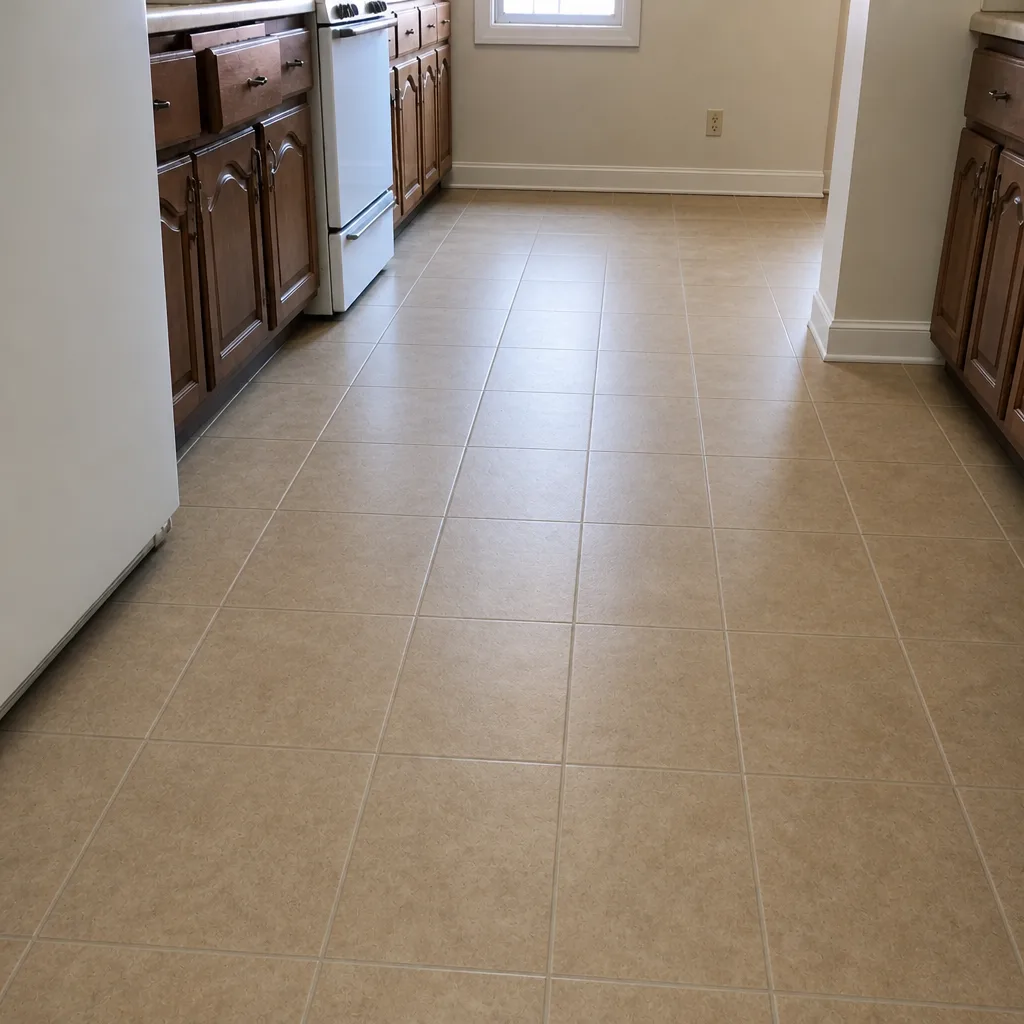 After
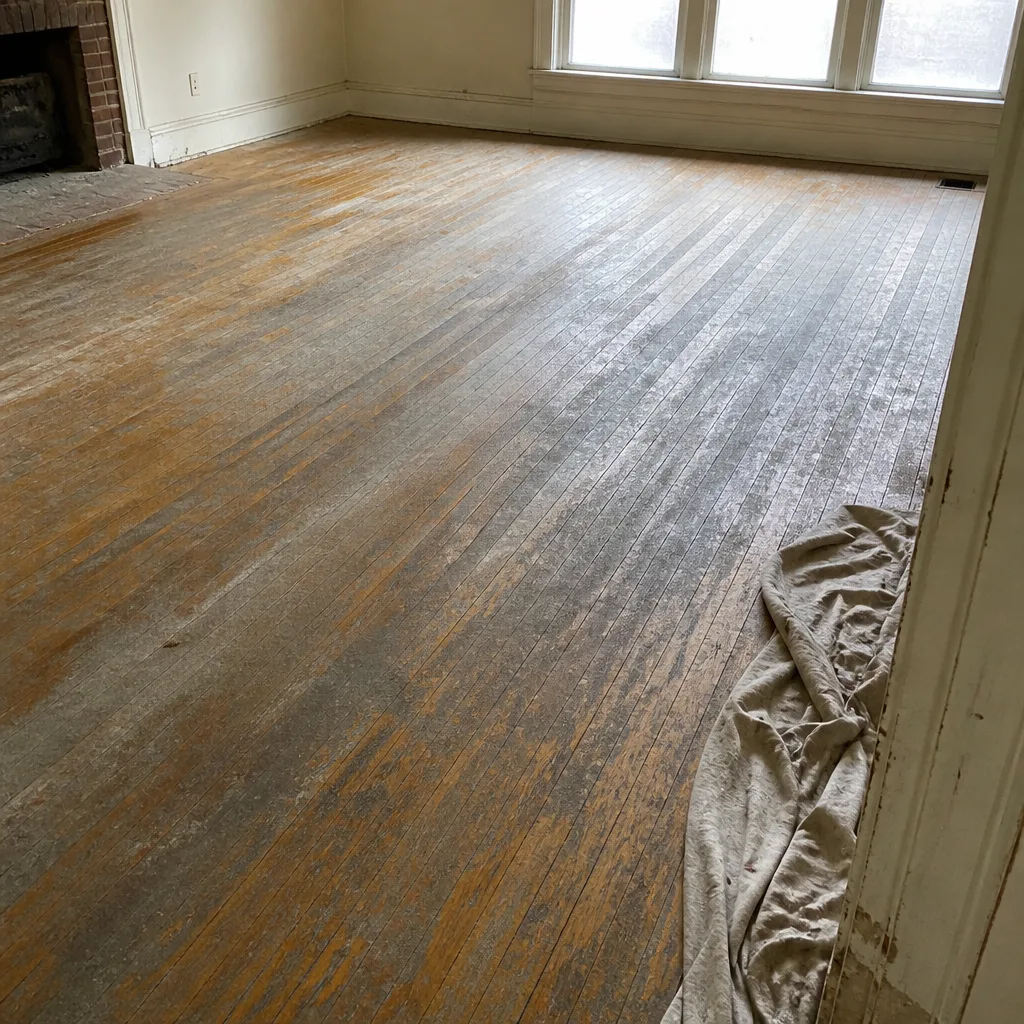 Before
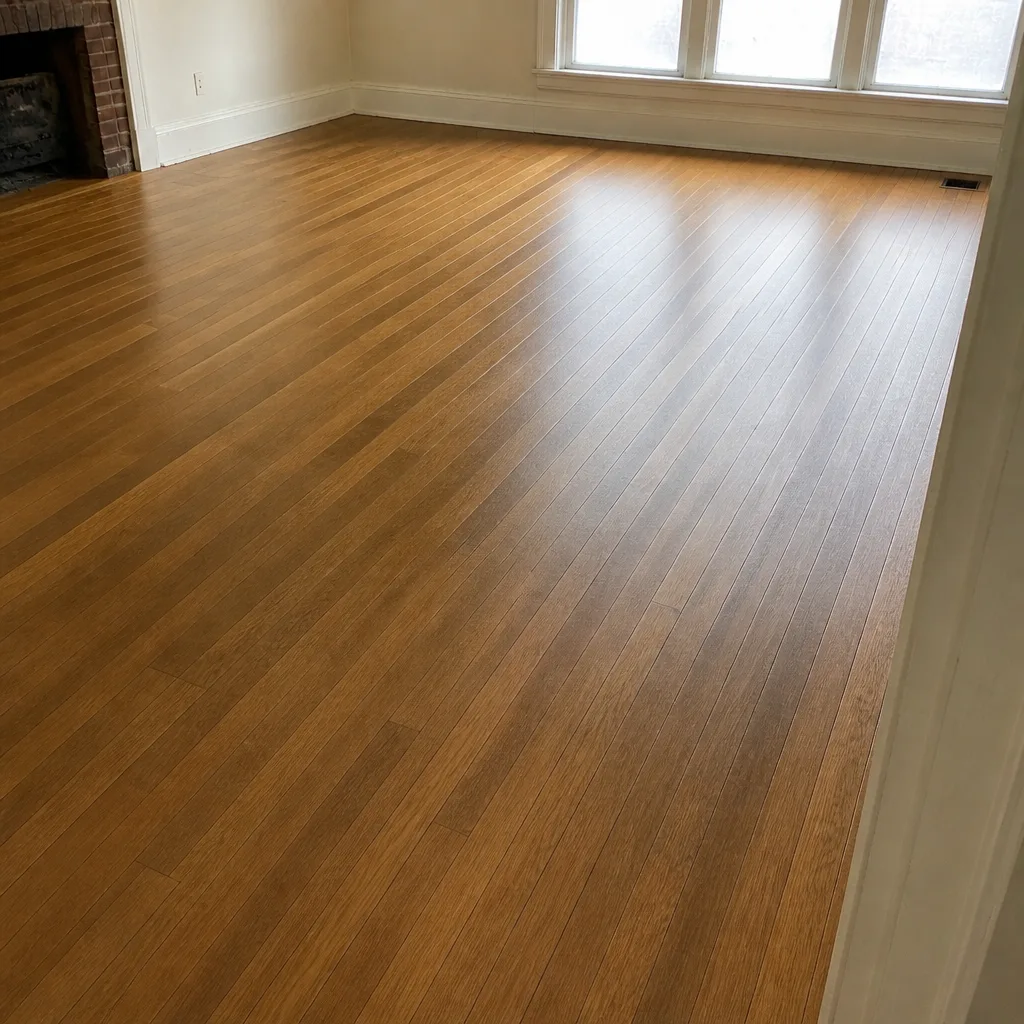 After
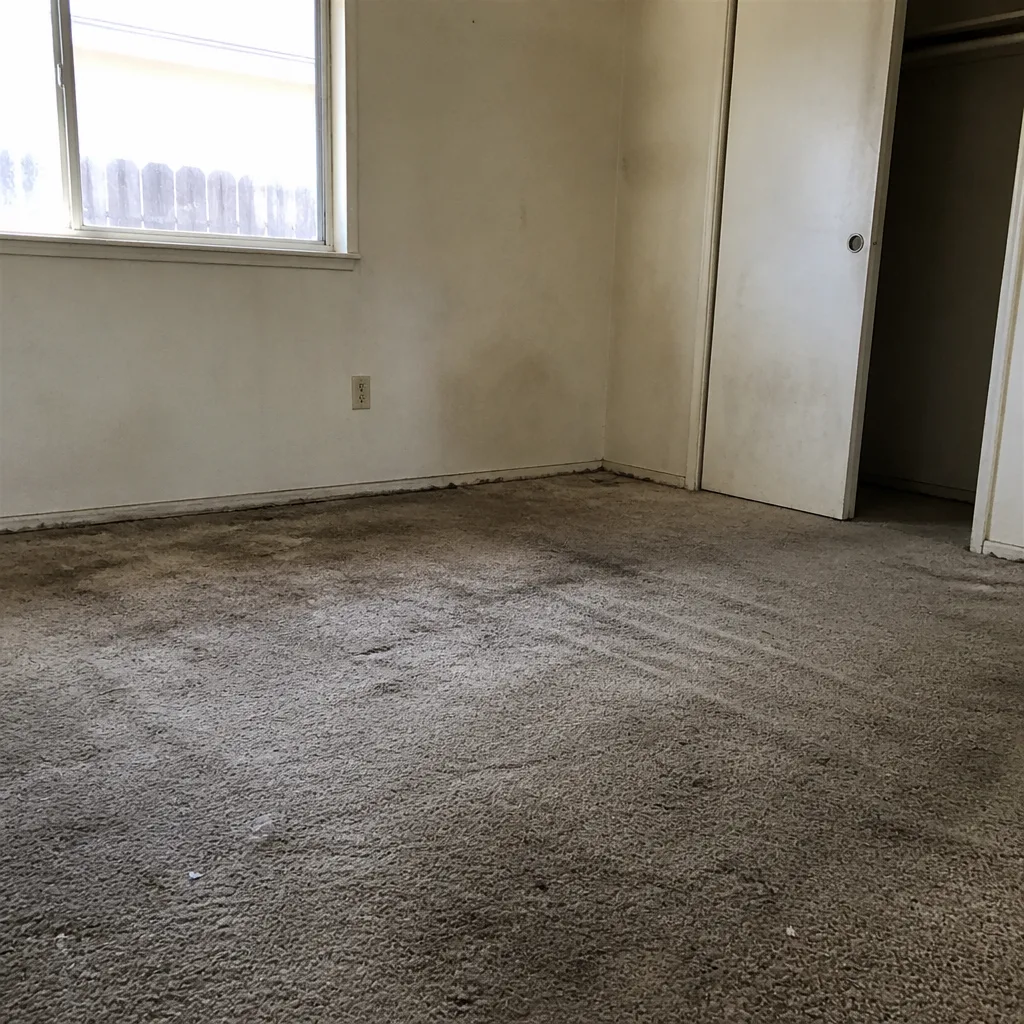 Before
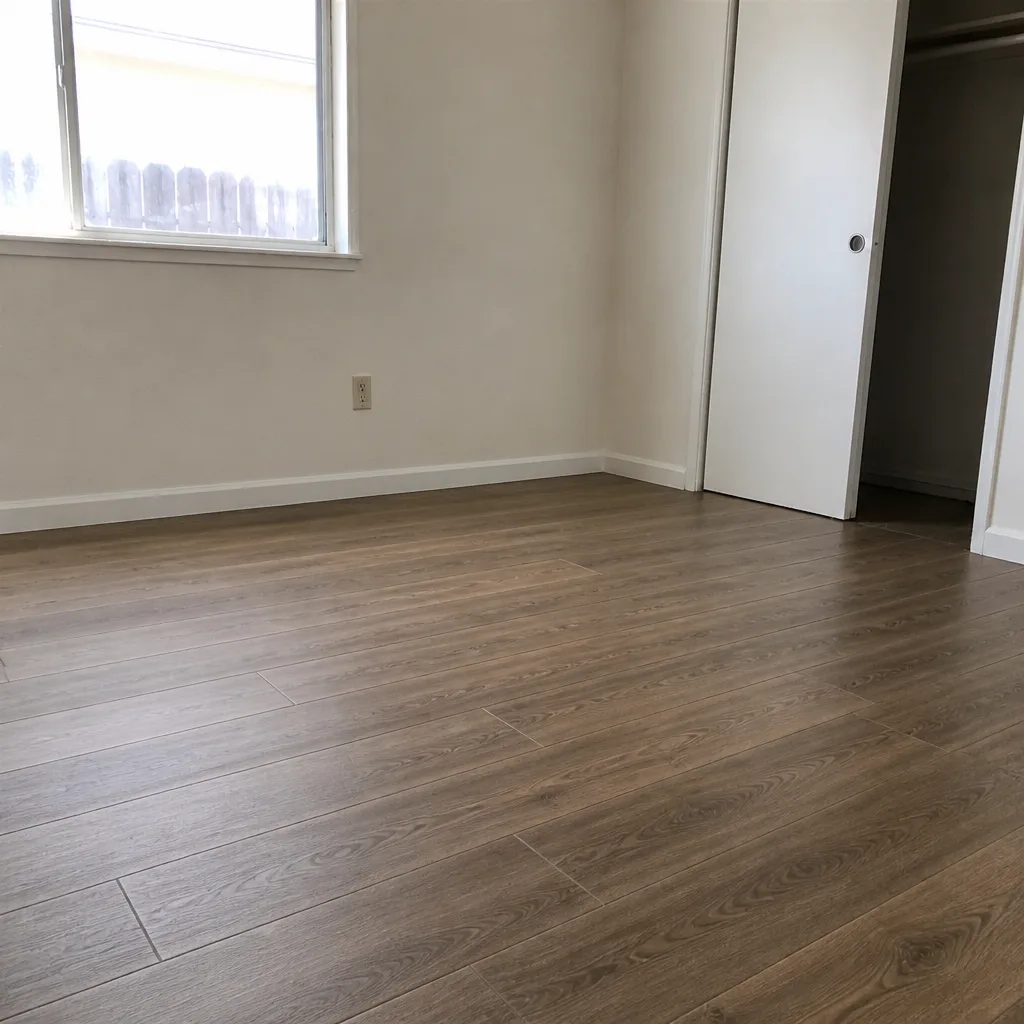 After
When to Call a Professional
Call a professional when the floor is a structural surface, an electrical or heat-adjacent surface, or a moisture-sensitive surface: a subfloor that feels uneven, a slab that shows moisture, an installed floor over in-floor heating, a large-format tile job that requires a flat, precisely prepped substrate, a wood floor that might be refinishable rather than replaceable, or any job above the Nevada contractor-license threshold. Call a professional, too, when the scope spans multiple rooms or multiple categories, because a sequence error between carpet, tile and wood installs can cost you a whole floor. And call when you want one party to answer for the finished result, not three parties to point at each other. Flooring Installation Enterprise offers free estimates in Enterprise: call (844) 560-4386 to schedule yours.
Frequently Asked Questions
Look up the license number on the Nevada State Contractors Board’s public website and confirm three things: the license is active, the classification covers the flooring work in your bid, and the business name matches the name on your contract. If any of those fails, don’t hire them. Call (844) 560-4386 for an exact quote: estimates are free.
Flooring installation in Enterprise is priced per job by a written estimate after an in-home measurement, so there’s no honest flat rate to quote in advance. The cost depends on the material, the square footage, the subfloor condition and whether old flooring needs removal. Call (844) 560-4386 to schedule your free estimate: you’ll get a written price with the material named and the scope itemized.
Yes. The in-home measure and estimate is free, with no obligation to book. You get a written price for a measured job, and you can compare it against other bids with the scope in hand. Call (844) 560-4386 to schedule yours.
Have the contractor supply it. When one company supplies and installs the floor, there’s a single party accountable if something fails, rather than a material seller and an installer pointing at each other. It also means the installer knows the material before the first plank goes down. Call (844) 560-4386 for an exact quote: estimates are free.
Two things: the manufacturer’s warranty on the product and the installer’s warranty on the labor. Ask for both in the written contract before you sign. Never accept a verbal labor warranty. Call (844) 560-4386 to talk through what to expect on your project.
We don’t quote a duration over the phone, because the honest answer depends on the product, the room count and the subfloor condition. The schedule is set at the estimate and confirmed in writing before installation day. Call (844) 560-4386 to schedule your free estimate and get the schedule laid out.
Sometimes, and it depends on the material: an exact match can be hard if a product line has been discontinued or the existing floor has faded from sun exposure. We’ll tell you honestly what’s achievable at the estimate visit, and whether refinishing an existing wood floor is a better route than a partial replacement. Call (844) 560-4386 for an exact quote: estimates are free.
The Bottom Line
Hiring a flooring contractor in Enterprise comes down to a few decisions made in the right order. Check the Nevada license and classification before you book anyone, ask the five screening questions, and require a written contract that names the material by manufacturer and grade, the scope, the payment schedule and the labor warranty. Choose one accountable party who supplies and installs the floor, compare bids on scope rather than price alone, and treat any red flag, whether full payment upfront or no labor warranty, as a reason to keep looking. Do those things and the product lineup is the easy part. The right floor, installed right, starts with the right person installing it. Call (844) 560-4386 to schedule your free estimate. We answer 24/7, with fast dispatch from 7am to 7pm, Sunday through Friday.
Written by the team at Flooring Installation Enterprise.