
Last updated November 18, 2026
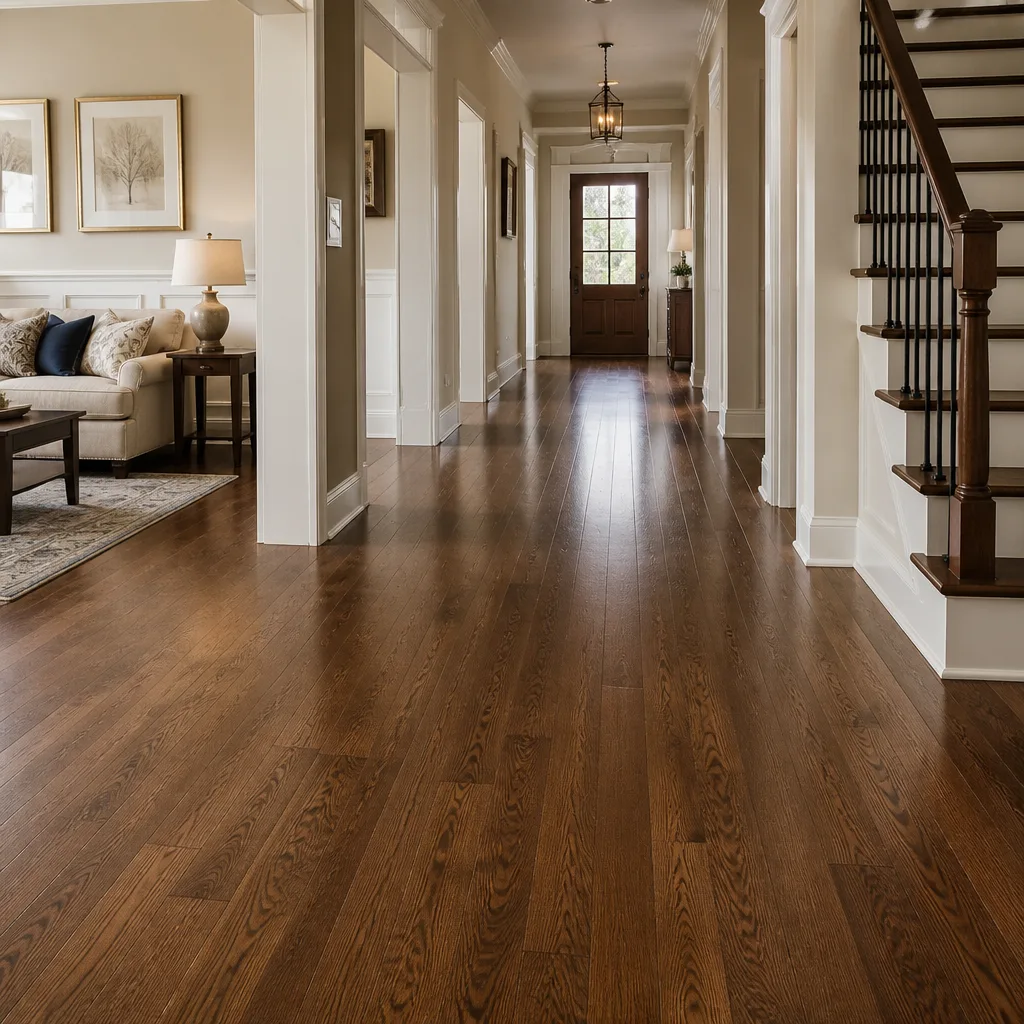 Hardwood
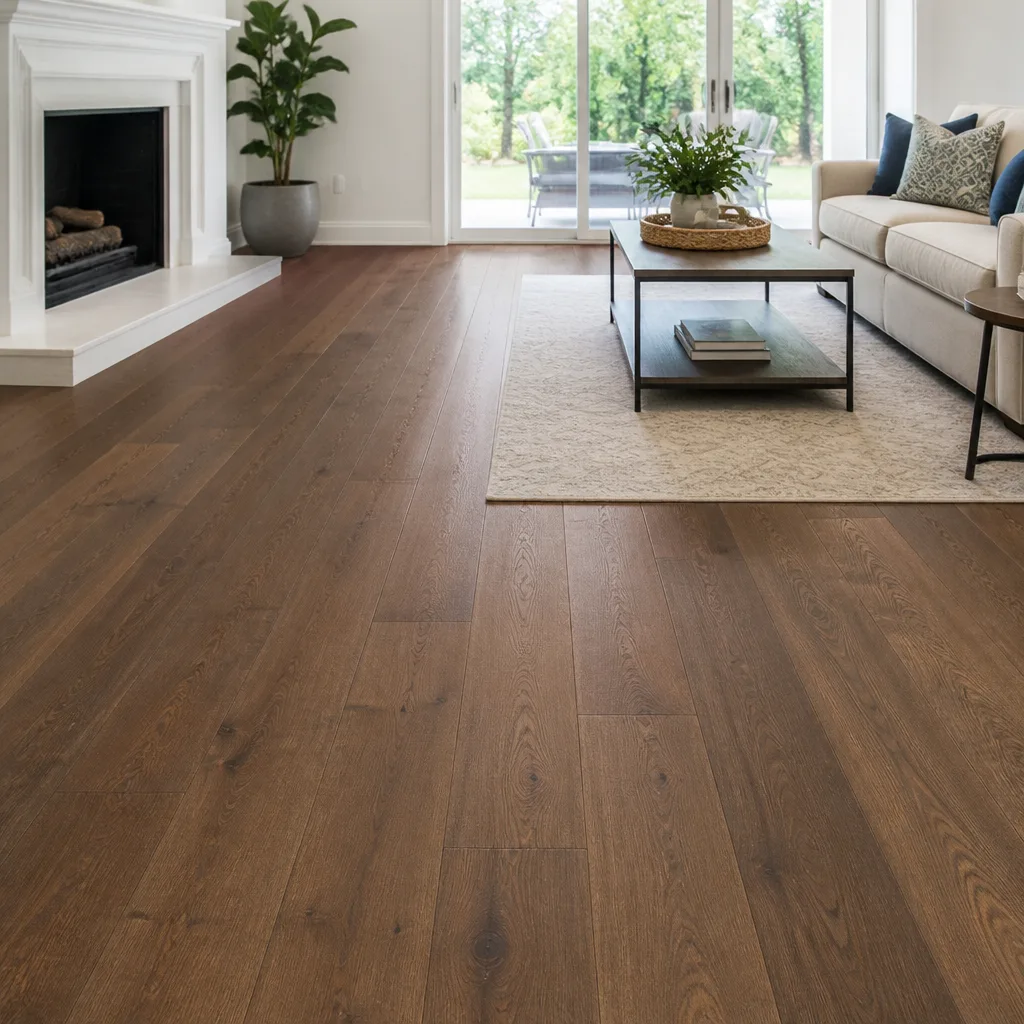 Engineered hardwood
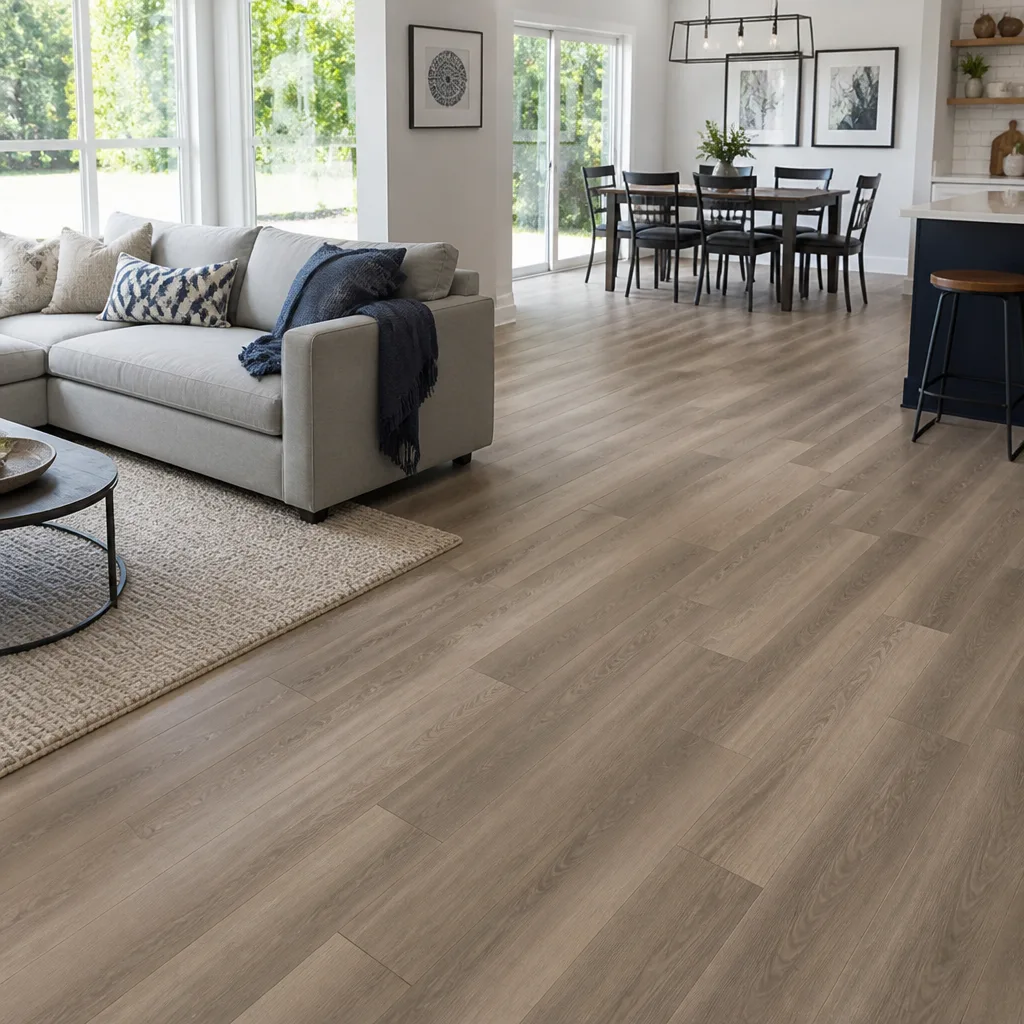 Luxury vinyl plank
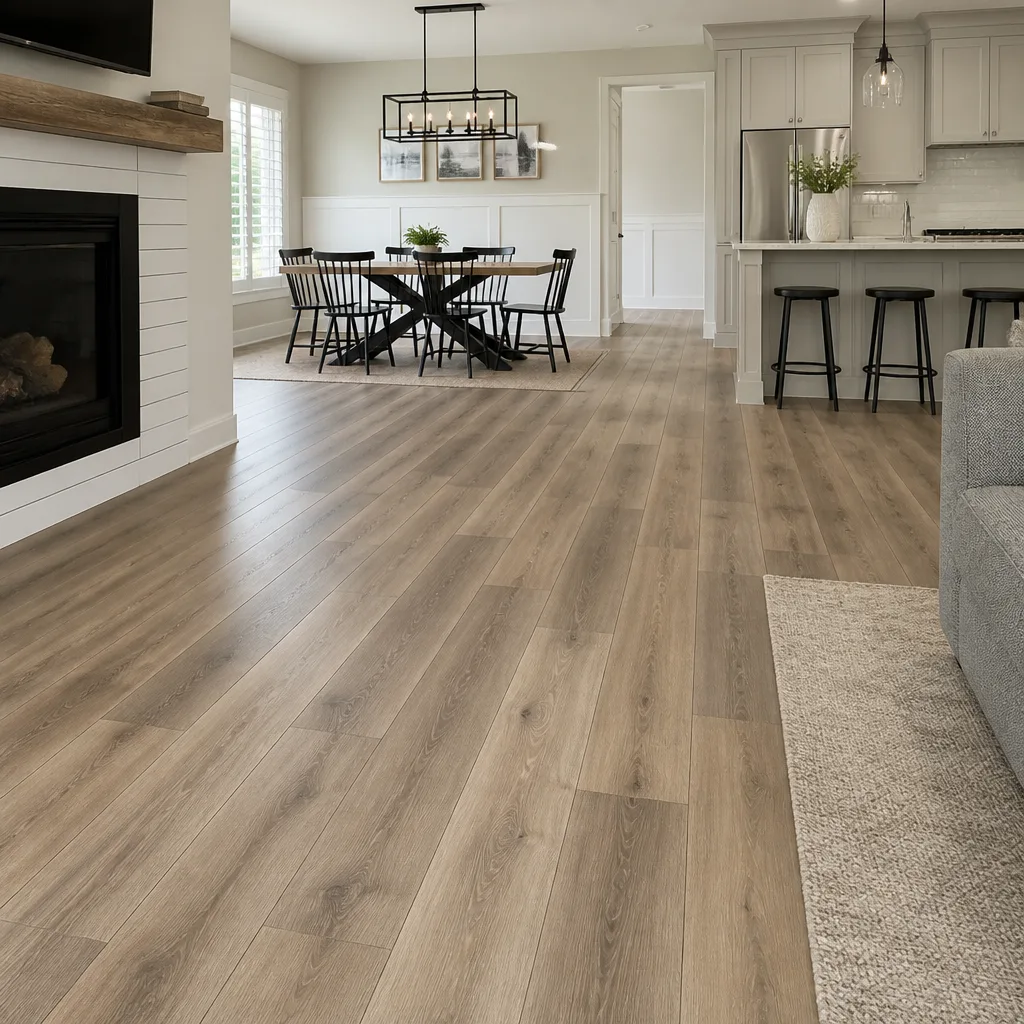 Laminate
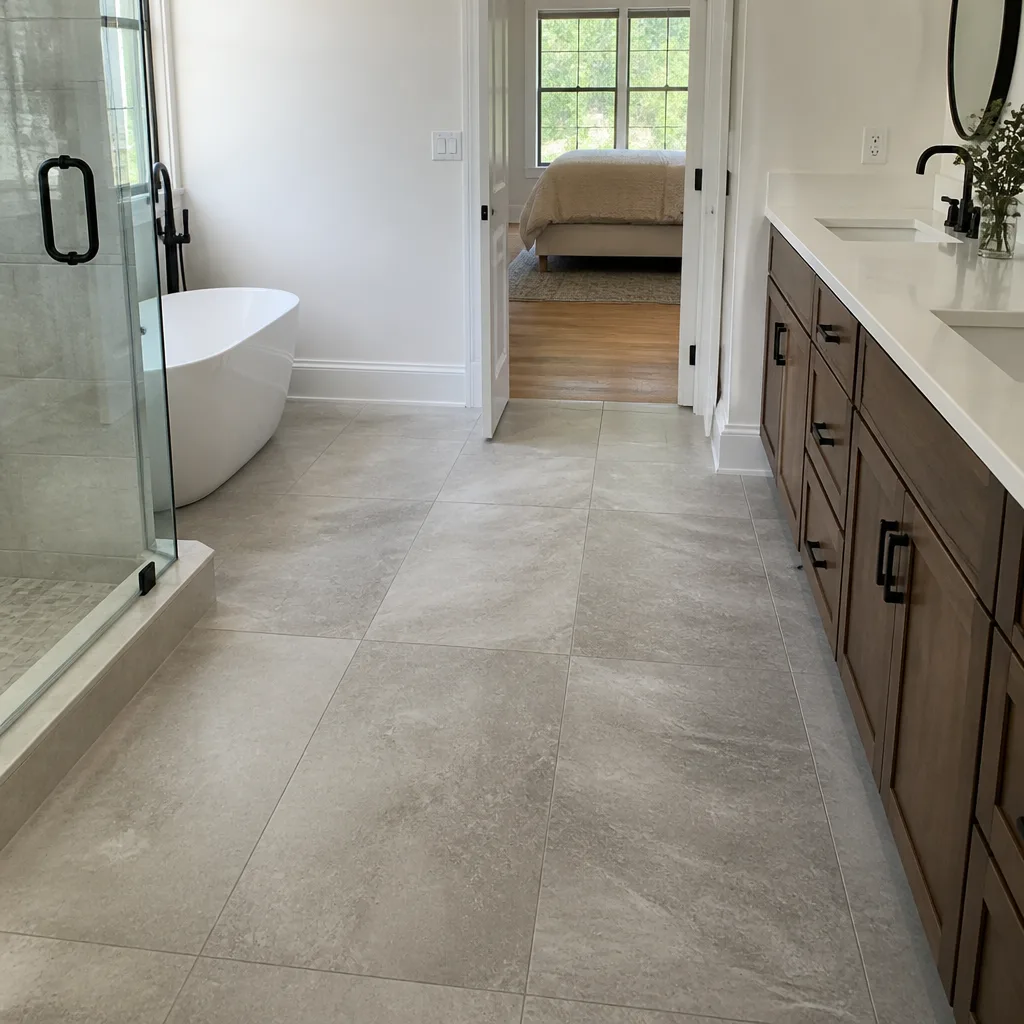 Porcelain tile
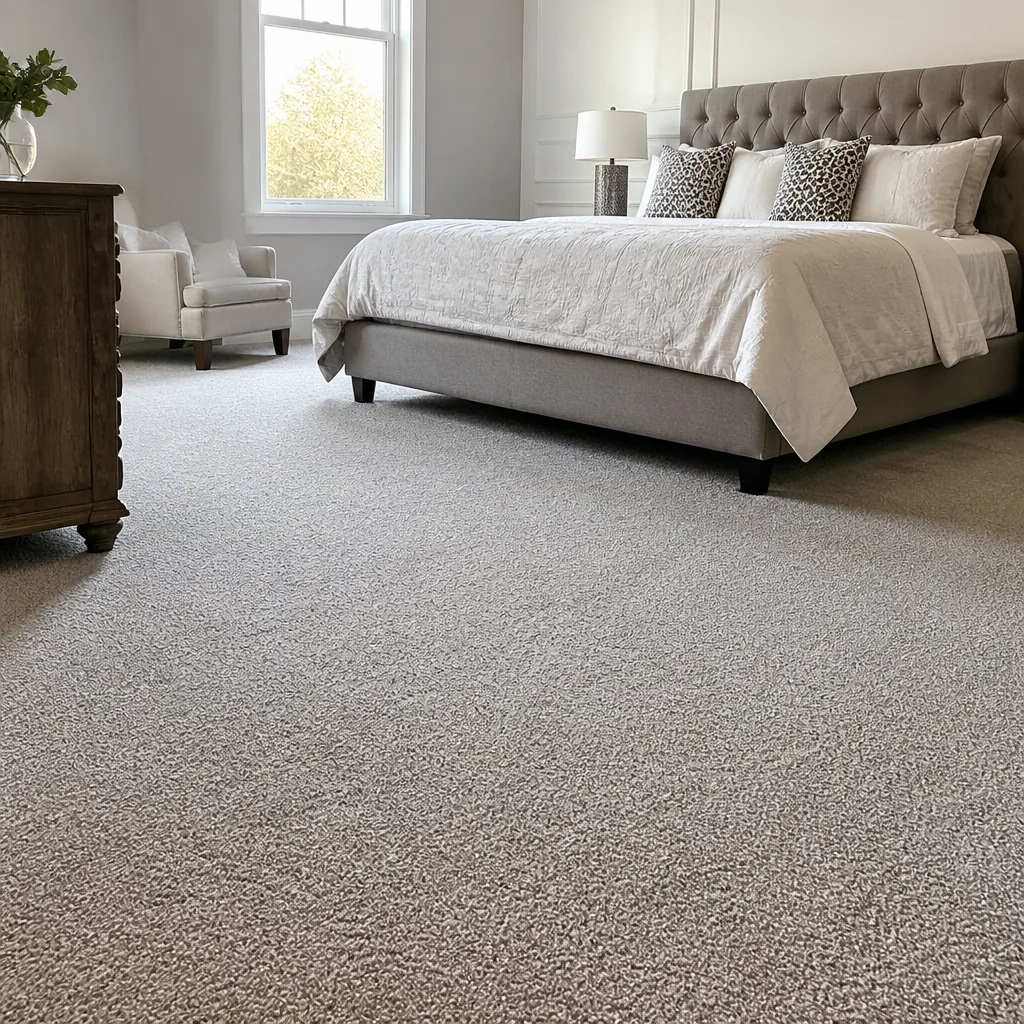 Carpet
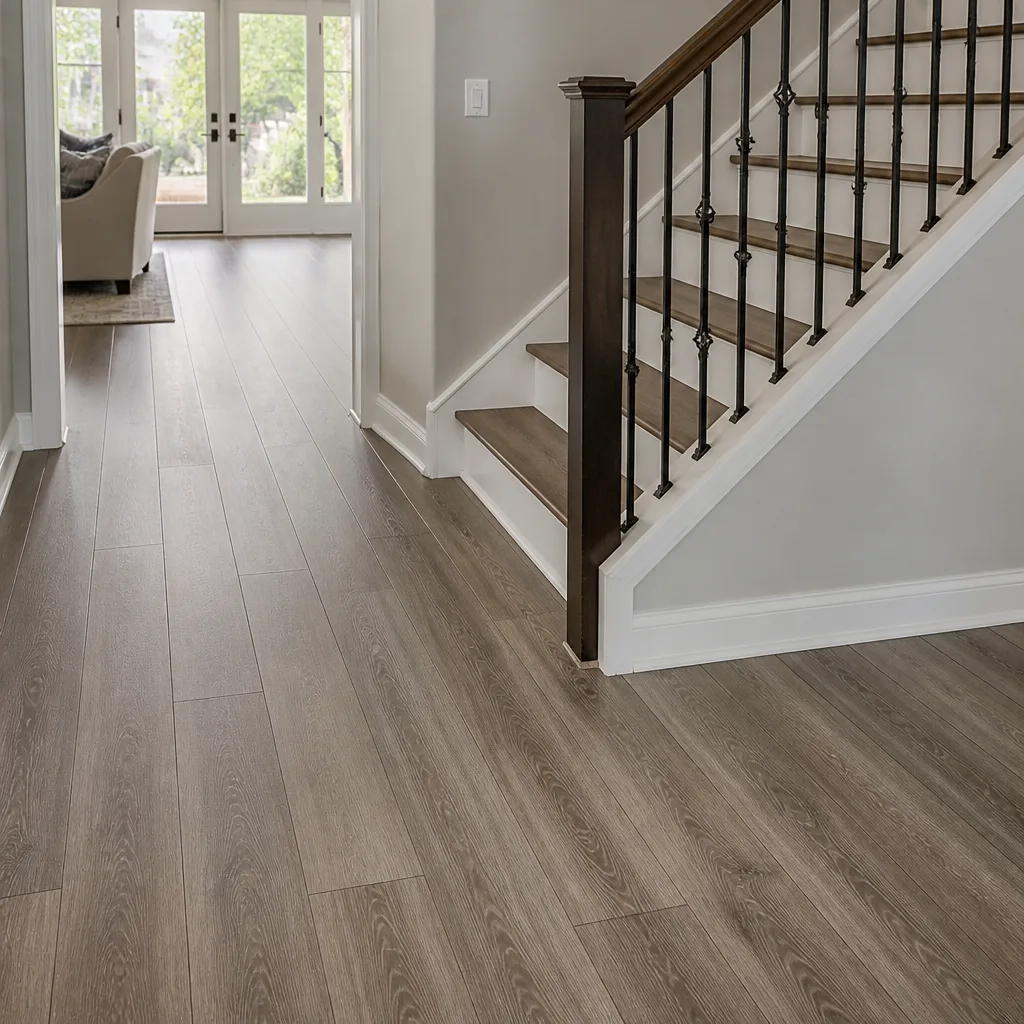 Shaw
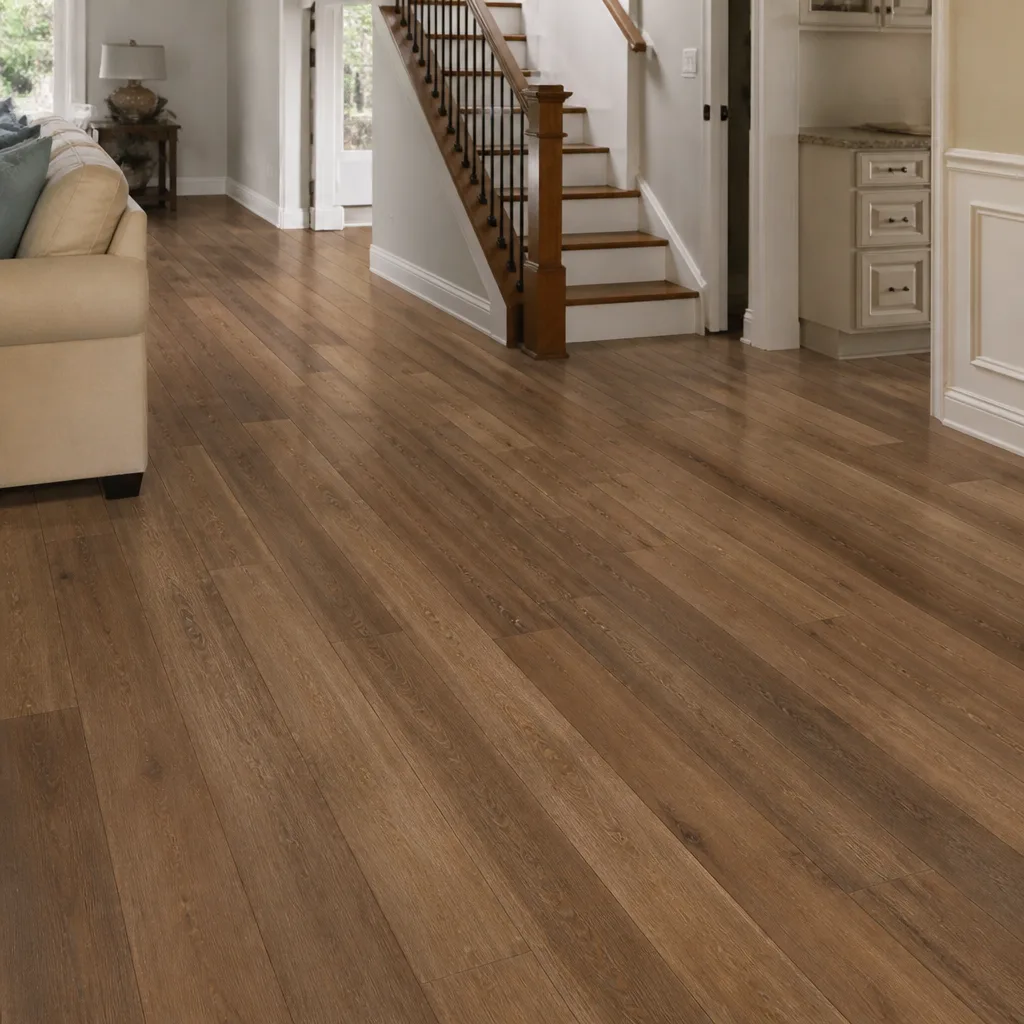 Mohawk
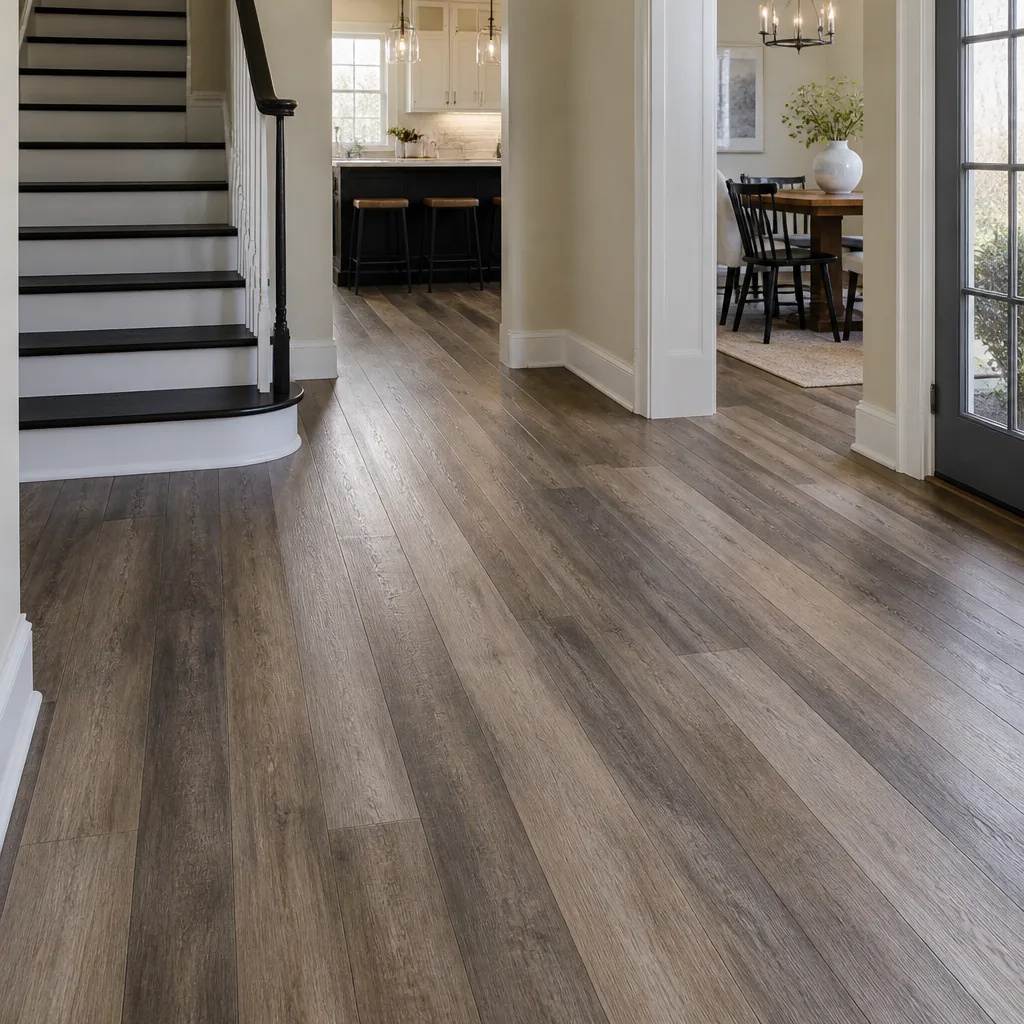 COREtec
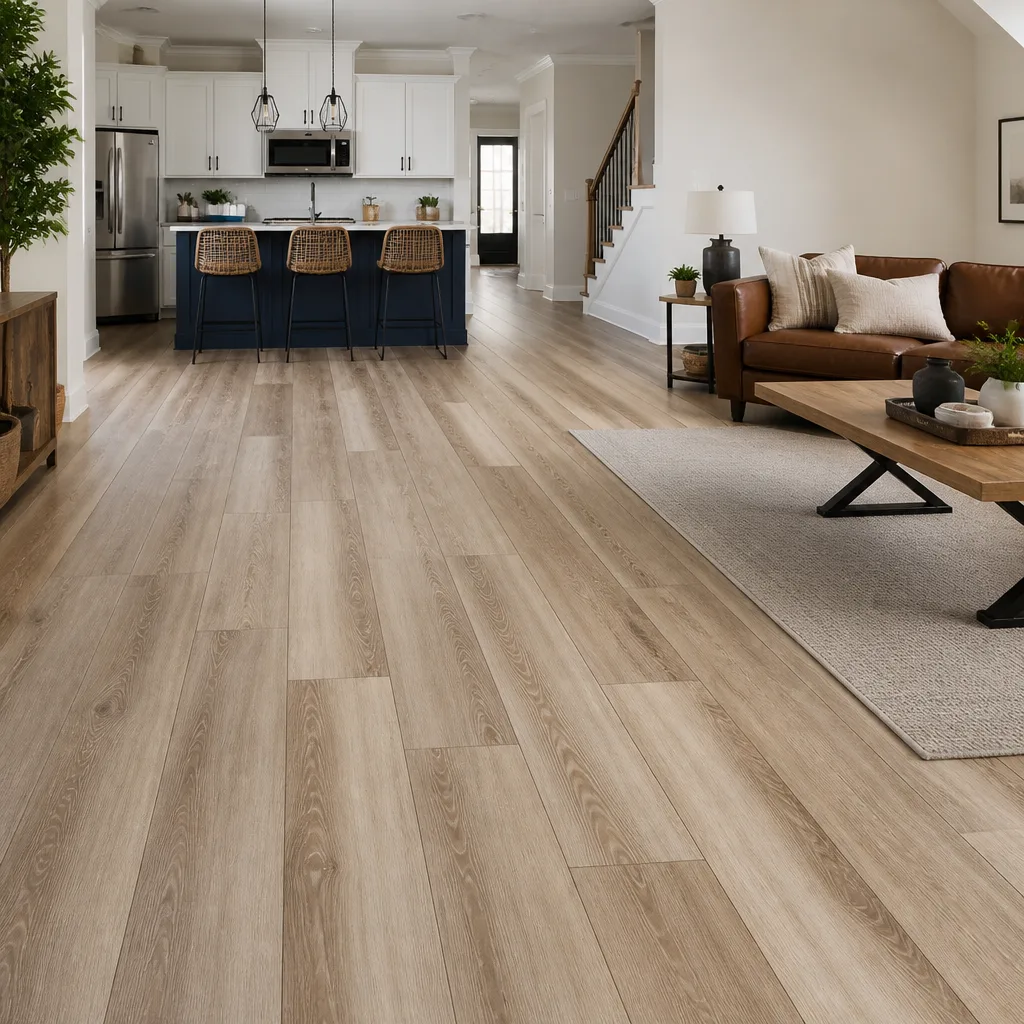 Pergo
Free in-home measure and written estimate: Shaw, Mohawk, COREtec and Pergo lines compared on your own rooms, with carpet, tile, vinyl plank, laminate and hardwood laid out side by side
Get your free estimateThe Complete Guide to Flooring in Enterprise
Most flooring advice you’ll read online was written for a climate and a housing stock that isn’t yours. Enterprise is one of the fastest-growing unincorporated communities in the country, and that growth is happening across expansive desert soil that swells and settles with the seasons. That movement doesn’t stay in the ground. It travels upward into slabs, into subfloors, and into whatever floor you put on top of them. Pick a floor that ignores that reality and you’ll fight it for years. This guide maps every major flooring decision to the ground conditions, the temperature swings, the dust, and the open floor plans that actually define homes in Enterprise.
Quick Answer
Choose flooring for an Enterprise home based on what’s under it and what the room asks of it. Caliche-heavy soil and slab-on-grade construction make moisture control and proper prep the deciding factors, extreme summer-to-winter temperature swings favor stable materials or careful acclimation for wood, and constant fine desert dust argues for surfaces you can sweep and clean without damage. Carpet, tile, and hardwood can all work here. The right floor, installed right, is what lasts.
Styles & brands we work with
- Hardwood
- Engineered hardwood
- Luxury vinyl plank
- Laminate
- Porcelain tile
- Carpet
- Shaw
- Mohawk
- COREtec
- Pergo
Table of Contents
- What’s Under an Enterprise Floor: Caliche, Slab, and Movement
- Temperature Swings and What They Do to Wood
- A Room-by-Room Framework for Open Floor Plans
- Designing for Dust: Desert Particulate and Floor Choice
- Comparing the Flooring Categories We Install
- Refinishing vs. Replacing Hardwood
- Big-Box Stock vs. What a Full-Spectrum Installer Sources
- How a Flooring Project Actually Runs
What’s Under an Enterprise Floor: Caliche, Slab, and Movement
In much of Enterprise, the ground beneath a house is caliche – a dense, cemented layer of calcium carbonate that forms in desert soils. Builders break through it, grade around it, and pour slabs on grade over soil that still holds clay and fines. That combination matters for flooring because expansive soils change volume with moisture, and a slab-on-grade home has no crawlspace to absorb that movement. When the ground shifts, the slab can shift with it, and every floor installed above has to tolerate what happens next.
What does that mean in practice? It means the prep stage is not a formality. It’s the work that decides whether your floor stays flat and tight.
- Slab moisture is checked, not assumed. Concrete wicks moisture from soil below. The product you choose and the underlayment or adhesive system under it have to be matched to what the slab reads, and that reading is taken at the estimate visit, according to the product’s own instructions.
- Cracks and low spots get addressed first. A hairline crack may be cosmetic. A crack with vertical displacement, or a hollow-sounding area, points to movement that has to be understood before anything goes down.
- Flatness is measured, not eyeballed. Large-format tile and long plank flooring both show every dip. The tolerance your product requires is set by its manufacturer, not by the installer’s preference.
- Expansion gaps are designed in. Floors need room to move at walls, doorways, and transitions. Skipping that gap is one of the most common reasons a floor buckles later.
None of this is unique to one subdivision. It’s the general condition of building on desert soil, and it’s why we treat prep as the first real decision in every project in Enterprise rather than a line item to trim.
Temperature Swings and What They Do to Wood
Enterprise runs hot in summer and cool in winter, and the swing between the two is wide. Indoors, that swing is softened by heating and cooling, but it’s still there – and wood responds to it. Solid hardwood expands in humid air and contracts in dry air. In a desert home, the winter heating season pulls indoor humidity down, and planks can shrink enough to open small gaps at the seams. Summer cooling and monsoon-season moisture push the other way.
That doesn’t mean wood is a bad choice in Enterprise. It means wood has to be chosen and handled with the season in mind.
- Acclimation comes first. Wood has to sit in the home it will live in long enough to settle into that home’s conditions. How long depends on the product and the house, and the product instructions and the written estimate set it.
- Humidity gets managed. A home kept in a reasonable humidity band year-round gives wood its best chance. That’s a household habit as much as an installation detail.
- Engineered and stable formats earn their place. Many homeowners in Enterprise choose engineered hardwood or a rigid-core plank for the main living areas precisely because those formats handle indoor humidity swings with less drama than solid wood.
- Width and layout matter. Wider planks show movement more than narrow ones. Layout and transition placement can absorb some of it.
If you already have hardwood and it’s gapping slightly in winter, that alone isn’t a reason to replace it. It may be a reason to talk about humidity and to have the floor looked at. We install and refinish the floor the customer chooses – Shaw, Mohawk, or another line – and we’ll tell you plainly when the existing floor is worth keeping.
A Room-by-Room Framework for Open Floor Plans
Newer subdivisions in Enterprise lean toward open plans: kitchen, dining, and living flowing together with few walls to break them up. That layout changes how flooring decisions work. In a closed-plan home you can choose a different floor per room and nobody notices the seams. In an open plan, every transition is visible, and one material usually has to carry a large continuous area.
Here’s how we think through a typical Enterprise home, room by room.
Kitchen and Great Room
This is where the floor takes the most traffic, the most spills, and the most chairs being pushed in and out. Tile handles it without complaint and holds up to desert dust being swept across it daily. A water-resistant rigid plank is the other common choice here, and it’s the one that keeps the open plan looking continuous into the living area. Both are legitimate. The decision usually comes down to whether you want hard tile underfoot in the kitchen or a warmer surface.
Living Areas
The living room in an open plan is the visual center of the house. This is where hardwood and premium luxury vinyl plank do their best work. COREtec and Karndean are both in our lineup because that category demands precise installation to look right – tight seams, consistent layout, no telegraphing of subfloor imperfections.
Bedrooms
Carpet still earns its place in bedrooms, especially in Enterprise where fine dust settles constantly and a soft surface underfoot is welcome in the cooler months. Carpet also absorbs sound, which matters more in an open-plan home where hard surfaces carry noise. Bedroom carpet doesn’t face the same traffic as the great room, so it’s a reasonable place to put a softer material.
Bathrooms and Laundry
Tile, full stop. These are wet rooms, and the floor has to be built for water. No flooring product should be called waterproof in a way that implies you can ignore standing water or moisture coming from below – but tile on a properly prepared substrate is the right material for these spaces.
Designing for Dust: Desert Particulate and Floor Choice
Fine desert dust is part of daily life in Enterprise. It comes in on shoes, through doors, and settles on every horizontal surface in the house. Over time, grit that stays on a floor acts like sandpaper underfoot. That has real consequences for which floors hold up and which ones look tired first.
- Hard surfaces are easy to keep clean. Tile and luxury vinyl can be swept and damp-mopped without worry. That’s the practical advantage in a dusty climate.
- Grit is the enemy of finish. On hardwood, dust and sand tracked in from outside slowly dull the finish. Mats at entries and regular dry mopping extend the life of any finish considerably.
- Carpet traps dust – which cuts both ways. It holds particulate out of the air, but it also holds it in the pile until it’s vacuumed out. In a dusty home, carpet needs regular, thorough vacuuming to stay in condition.
- Texture choices matter. Very smooth, high-gloss finishes show dust immediately. A matte or low-sheen surface hides the daily film and looks cleaner between cleanings.
This is the kind of thing a national flooring guide won’t tell you, because it isn’t written for a desert. In Enterprise, dust is a design input, not an afterthought.
Comparing the Flooring Categories We Install
We work with nine flooring brands – Shaw, Mohawk, COREtec, Pergo, LifeProof, Mannington, Armstrong, Daltile, and Karndean – across carpet, tile, and hardwood. The right category depends on the room, the household, and the ground conditions. Here’s the honest comparison.
Carpet
Soft, quiet, warm underfoot, and forgiving in bedrooms. It needs regular vacuuming in a dusty climate and it isn’t the right choice for wet rooms. For bedrooms and closets in an Enterprise home, it’s often the practical answer.
Tile
The most durable surface for kitchens, bathrooms, laundry, and entryways. Porcelain tile handles desert grit, water, and heavy traffic without complaint. Large-format and specialty tile demand a properly prepared substrate and precise setting – this is where a professional-grade line like Daltile earns its place, and where an installer who routinely handles large-format work matters.
Luxury Vinyl Plank
Water-resistant, stable across temperature swings, and warm underfoot compared to tile. It’s the category where premium brands like COREtec and Karndean matter most, because the difference between a good install and a bad one shows in the seams and the layout. It works well in open plans because it reads as continuous.
Hardwood
The floor with the most character and the longest refinishable life – if the wood is thick enough and in good condition. It responds to indoor humidity, so it wants a home that manages its air. Refinishing an existing hardwood floor is often the smart homeowner’s move rather than replacing it.
Laminate
A stable, hard-wearing option in the mid-range, and a reasonable pick for areas where solid wood’s humidity sensitivity is a concern. We install laminate lines like Pergo, and the same prep rules apply.
Refinishing vs. Replacing Hardwood
Many Enterprise homes have hardwood floors worth saving. Refinishing – sanding down to bare wood and applying a new finish – restores the floor rather than replacing it. That preserves the original character of the wood and is usually the more economical path than a full replacement, provided the floor is in a condition to take it.
Whether a floor can be refinished depends on two things: the thickness of the wood above the tongue, and its overall condition. A floor that’s been sanded several times before may not have enough left to sand again. A floor with cupping, water damage, or widespread gaps may need more than a refinish. That’s checked at the estimate visit, not guessed at from a photo.
- Assess the floor. Thickness, condition, and existing finish are all evaluated on site.
- Set the scope. A full sand-and-refinish, a screen-and-recoat, or a repair-and-refinish – the scope follows the condition.
- Choose the finish. Stain and sheen choices are made against samples, and we’ll tell you honestly when a stain match isn’t realistic on aged wood.
- Book the job. Refinishing is a scheduled project with its own timeline, set in the written estimate.
We refinish hardwood as a dedicated service, not an afterthought. Restoring what you already have is often the better move, and it’s one fewer contractor to hire.
Big-Box Stock vs. What a Full-Spectrum Installer Sources
Homeowners in Enterprise often start at a big-box store, and there’s nothing wrong with that. What they discover is that the store stocks what sells nationally, and what sells nationally isn’t always what fits a desert home or an open floor plan. The store may also subcontract the install to whoever is available, which means the person measuring your floor and the person installing it may never speak.
The difference is in what gets sourced and who owns the result.
- Range across brands. A full-spectrum installer works with multiple lines – Shaw, Mohawk, COREtec, Pergo, and others – so the material is chosen to fit your home, not to move a pallet.
- Lines the store doesn’t stock. A professional-grade tile line like Daltile isn’t typically available through general handymen or the store’s in-stock shelf. That opens up large-format and specialty tile that stock installers routinely decline.
- One point of accountability. One call covers carpet, tile, and hardwood. You’re not coordinating three contractors and blaming three of them when a transition doesn’t line up.
- Prep is part of the price. A quote that doesn’t include moisture checks and subfloor prep isn’t a cheaper quote – it’s an incomplete one.
That’s the model we work from: from carpet to tile to hardwood, the product and the installation craft are one decision, not two.
How a Flooring Project Actually Runs
Whether you’re refreshing one room or flooring a whole home in Enterprise, the shape of a project is the same. It’s a scheduled job, not a same-day service call. Here’s the sequence.
- Free in-home measure and estimate. We come out, measure the space, look at the substrate, check the slab, and talk through what the room asks of the floor.
- Written price. You get a written estimate with the scope, the material, and the prep work spelled out. The written estimate sets the final price.
- Material selection. If you haven’t chosen a product yet, we help you narrow the brands and formats to what fits your home and budget.
- Scheduled install day. Once the material is in and the prep is planned, the installation is booked. The schedule is set at the estimate.
- Finished floor and walkthrough. We walk the finished job with you before we call it done.
Our technicians have up to 9 years of experience, and that experience is concentrated in three distinct trade competencies: carpet installation, tile flooring installation, and hardwood refinishing. Whole-home projects in Enterprise often pull from all three.
Common Mistakes to Avoid
- Skipping the slab moisture check. Concrete wicks moisture from the soil below, and installing over a slab without checking it is the fastest way to a floor that fails. In Enterprise’s desert soil, that check is not optional.
- Ignoring the expansion gap. Floors need room to move at walls and doorways. Pinching them tight to the trim is one of the most common causes of buckling.
- Choosing a floor by look alone. A gorgeous solid wood in a bathroom or a smooth high-gloss finish in a dusty entryway will look tired fast. Match the material to the room and the climate.
- Forgetting acclimation. Wood has to settle into the home’s conditions before it’s installed. Rushing it invites gapping and movement later.
- Replacing hardwood that could be refinished. If the wood is thick enough and in good shape, refinishing restores it for less than a replacement and keeps the original character.
- Letting a store’s installer do the measuring and someone else do the work. The person who measures should be accountable for the install. Otherwise, when a transition doesn’t line up, nobody owns it.
- Underestimating prep cost. A quote that skips subfloor prep and moisture work isn’t cheaper – it’s a bill waiting to happen later.
See the difference
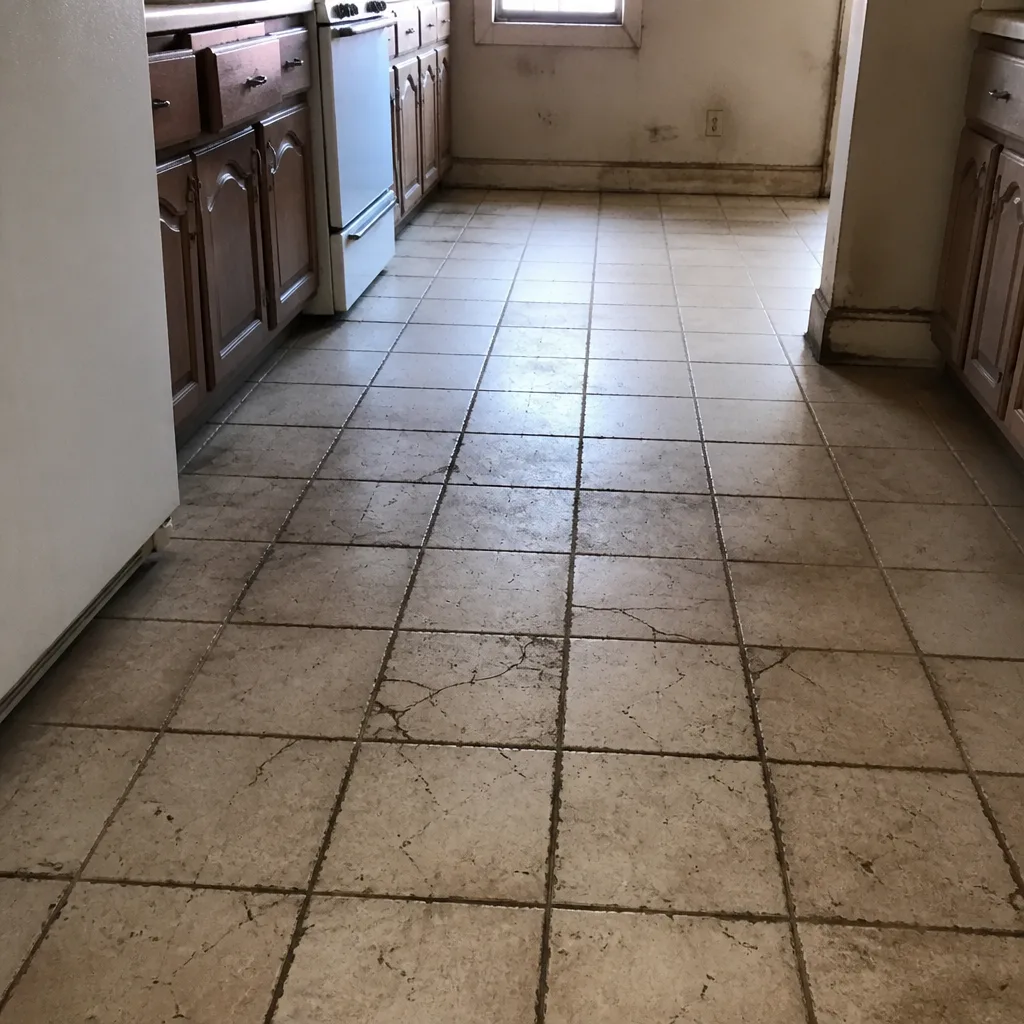 Before
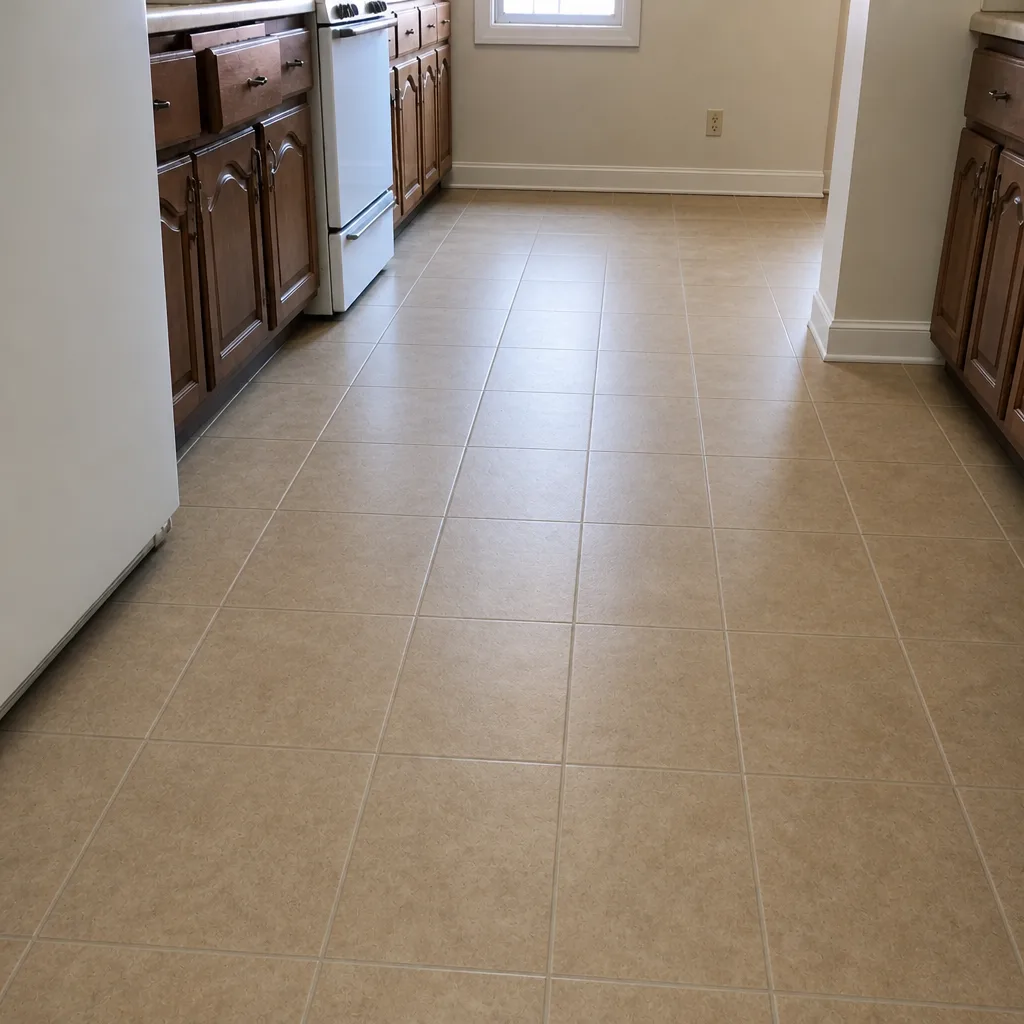 After
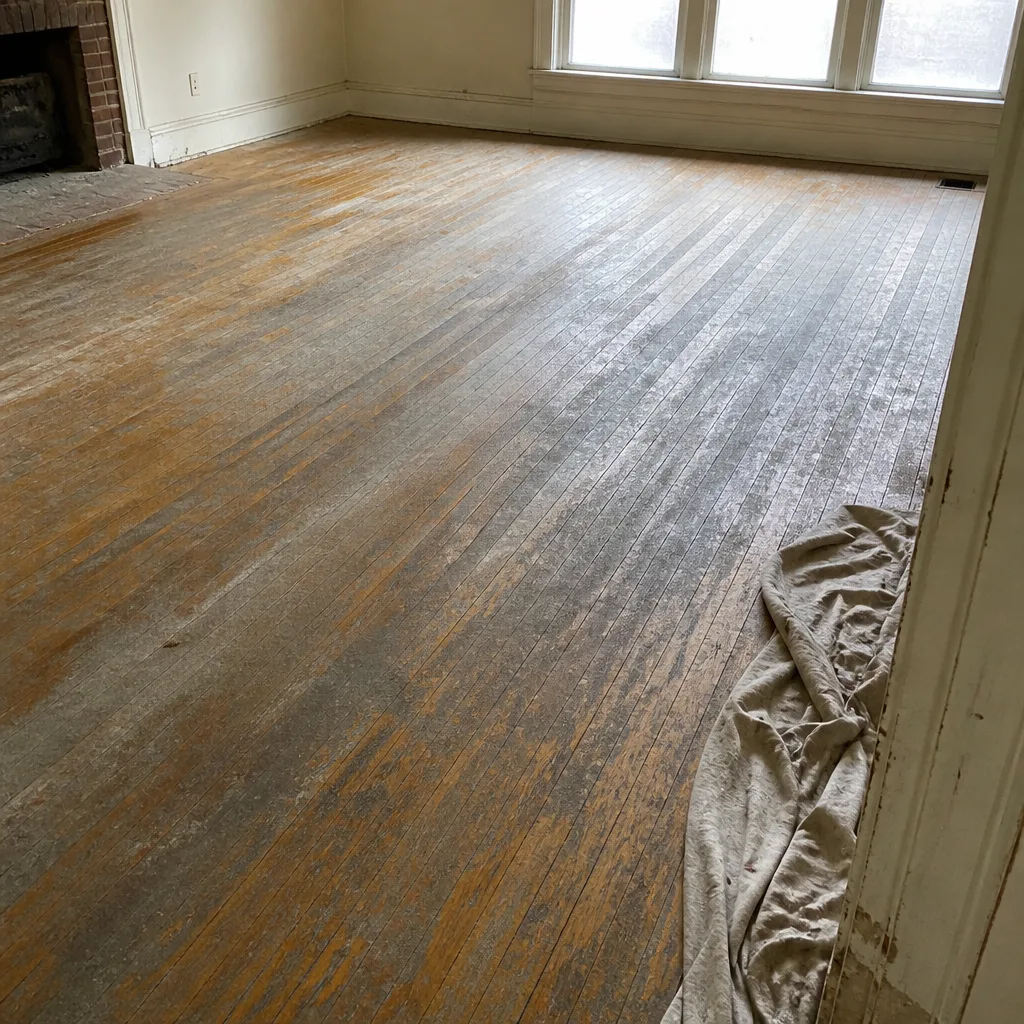 Before
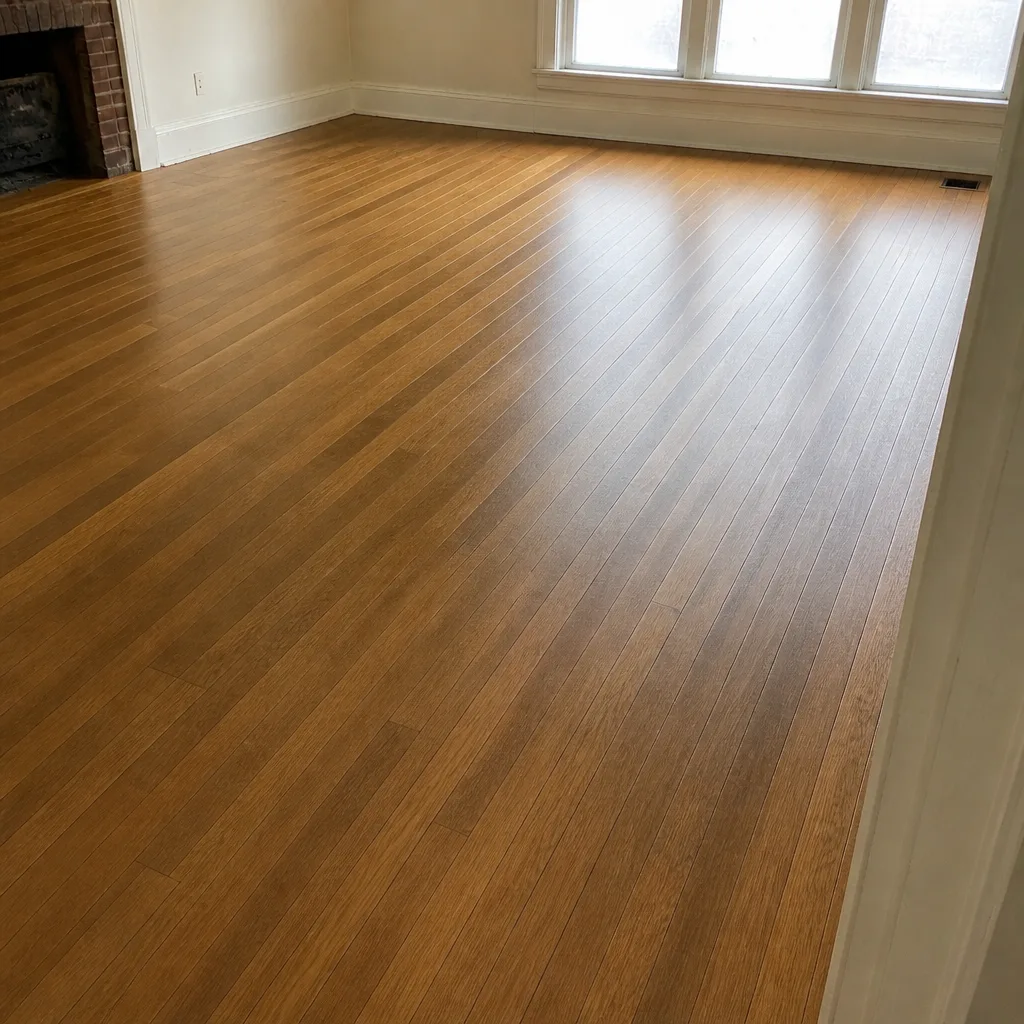 After
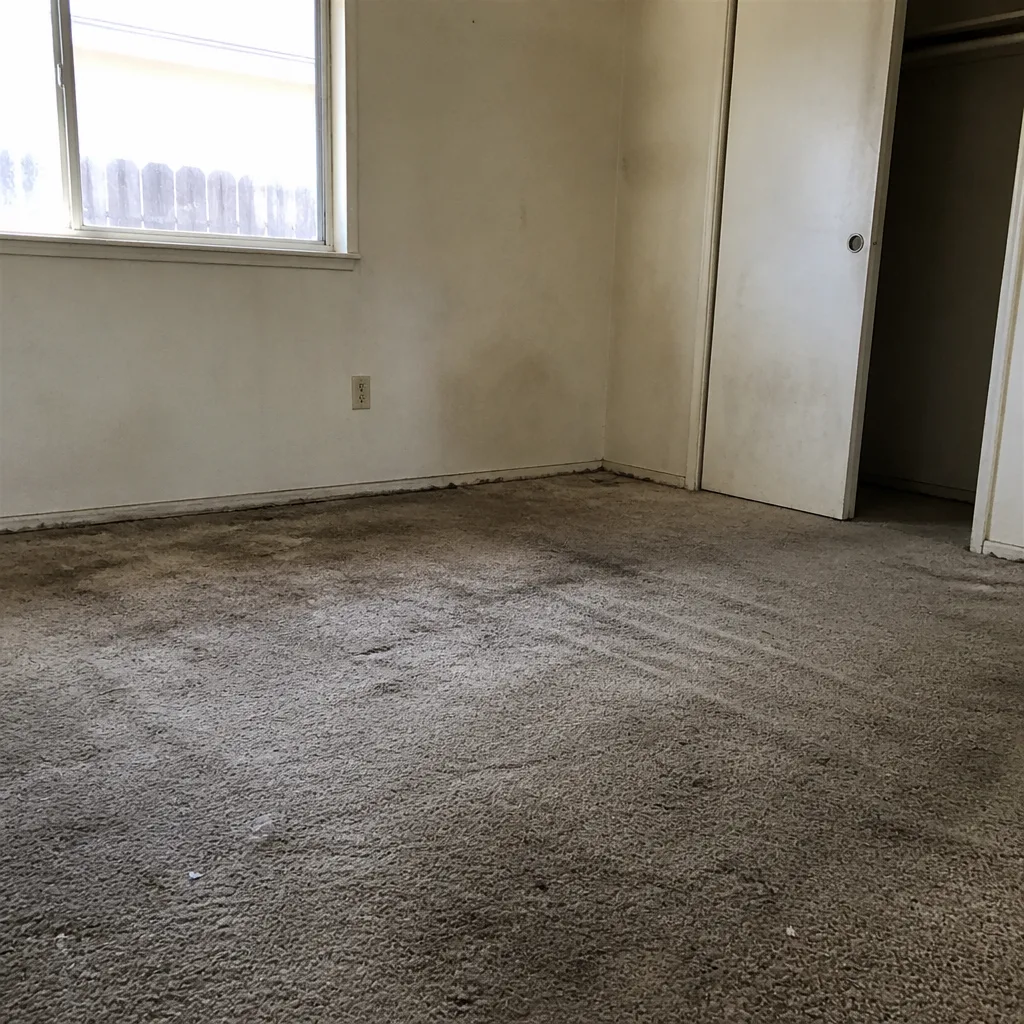 Before
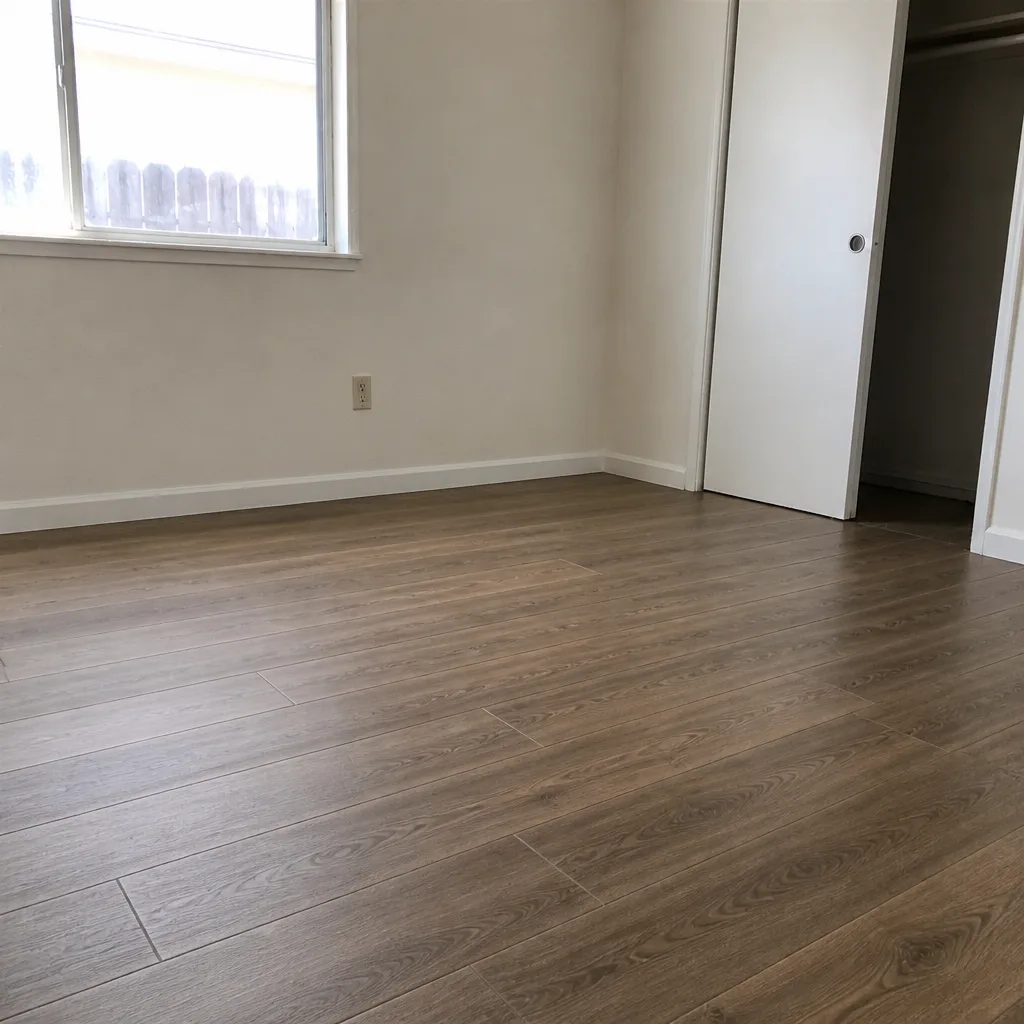 After
When to Call a Professional
Some jobs a homeowner can reasonably handle. Flooring in Enterprise usually isn’t one of them, because so much of the work happens before the first plank goes down. Call a professional when you’re choosing flooring over a slab you haven’t had checked, when you’re seeing cracks, hollow spots, or movement in the substrate, when you’re installing large-format tile that demands a flat, prepared surface, when your hardwood is gapping or cupping and you need an honest read on whether it can be refinished, or when you’re flooring a whole home and don’t want to coordinate carpet, tile, and wood as three separate projects. Flooring Installation Enterprise offers free estimates in Enterprise – call (844) 560-4386. We answer 24/7. Fast dispatch from 7am to 7pm, Sunday through Friday.
Frequently Asked Questions
Tile and water-resistant luxury vinyl plank work well across most rooms in Enterprise because they handle desert grit and temperature swings without complaint, while carpet suits bedrooms and hardwood works best where indoor humidity is managed. The right answer depends on the room and the substrate, checked at the estimate visit.
Yes, with the right handling. Hardwood responds to indoor humidity, so acclimation, a managed humidity band, and proper expansion gaps are what make it work through the seasonal swings. Refinishing an existing hardwood floor is often the smart move rather than replacing it.
Often, yes. What a crack means depends on whether it has vertical displacement or hollow-sounding areas around it. We assess the slab at the estimate visit and recommend the prep the floor product requires, according to its own instructions.
Refinish when the wood is thick enough above the tongue and in good condition. It restores the original character and is usually the more economical path. If the wood has been sanded too many times or shows water damage, replacement may be the better call – and we’ll tell you which at the estimate.
A big-box store stocks what sells nationally, while a full-spectrum installer sources from multiple lines – Shaw, Mohawk, COREtec, Pergo, and others – and works with professional-grade tile lines like Daltile that general handymen and stock installers don’t typically carry.
The estimate is free. Call (844) 560-4386 to schedule your free estimate. We answer 24/7. Fast dispatch from 7am to 7pm, Sunday through Friday, with the written estimate setting the final price.
The Bottom Line
Flooring in Enterprise is a local decision, not a national one. Caliche-heavy soil and slab-on-grade construction make substrate prep the deciding factor. The temperature swings between summer and winter mean wood needs acclimation and humidity management. Constant desert dust rewards surfaces you can sweep and clean without damage. Open floor plans reward a material that carries a large continuous area. Get those things right and the product lineup – carpet, tile, hardwood, luxury vinyl – has room to do its best work. The right floor, installed right, is what lasts. For a free estimate on your Enterprise project, see Enterprise or call us directly.
Call (844) 560-4386 to schedule your free estimate. We answer 24/7. Fast dispatch from 7am to 7pm, Sunday through Friday. Flooring Installation Enterprise works from carpet to tile to hardwood, with the written estimate setting the final price.
Written by the team at Flooring Installation Enterprise.