
Last updated November 18, 2026
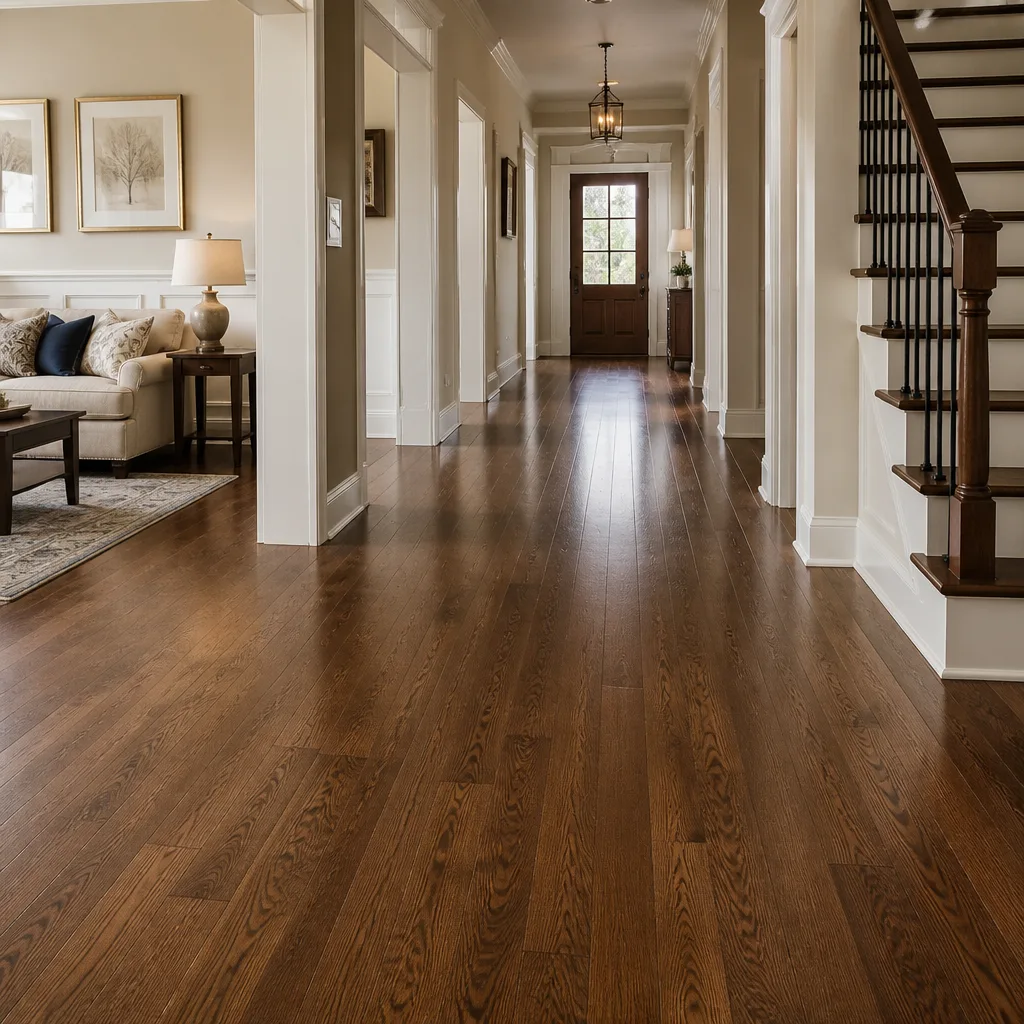 Hardwood
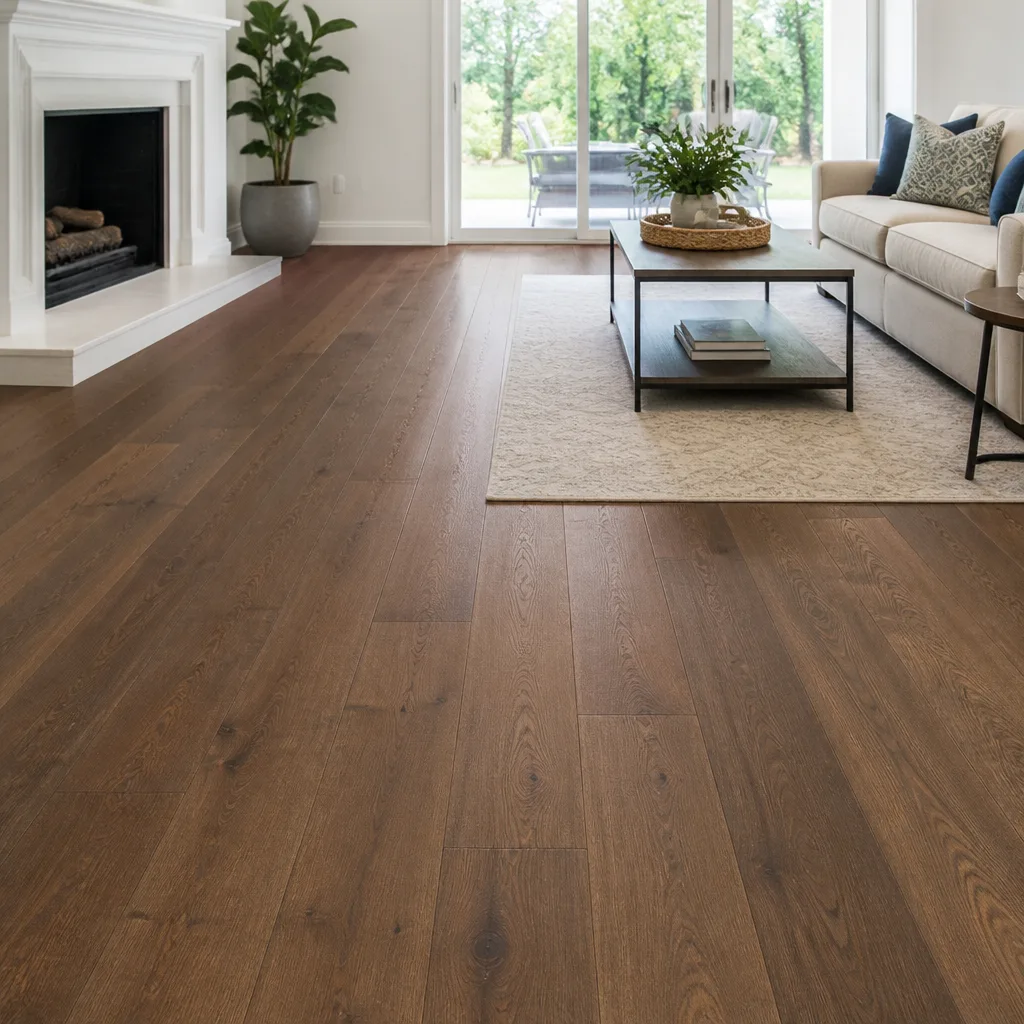 Engineered hardwood
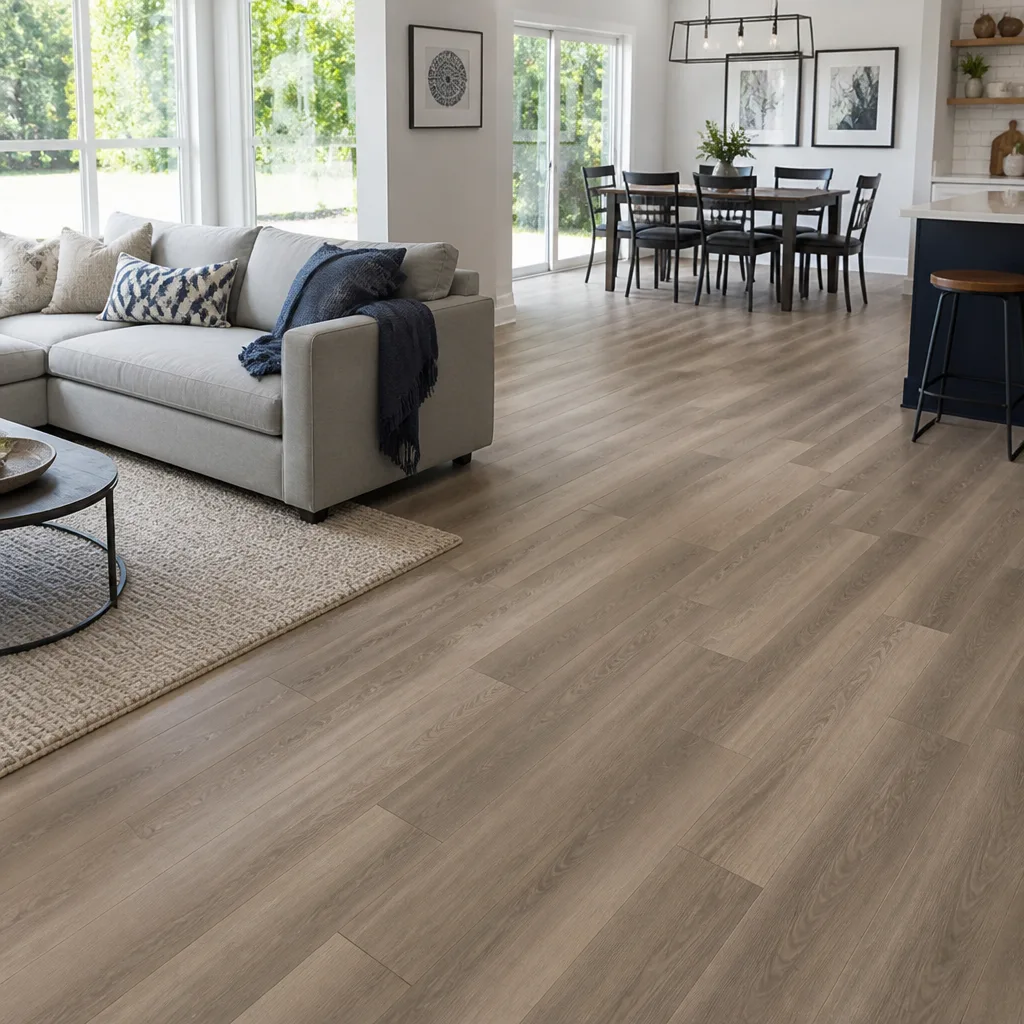 Luxury vinyl plank
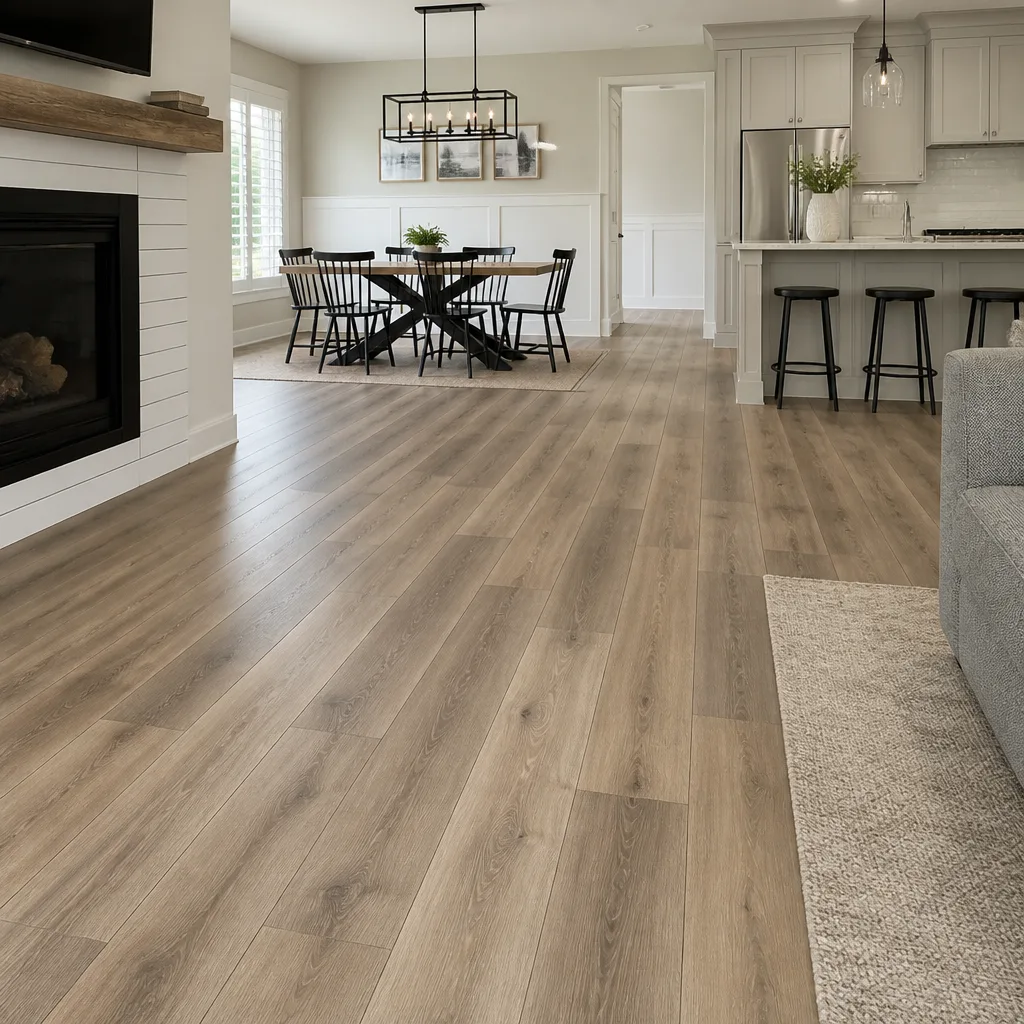 Laminate
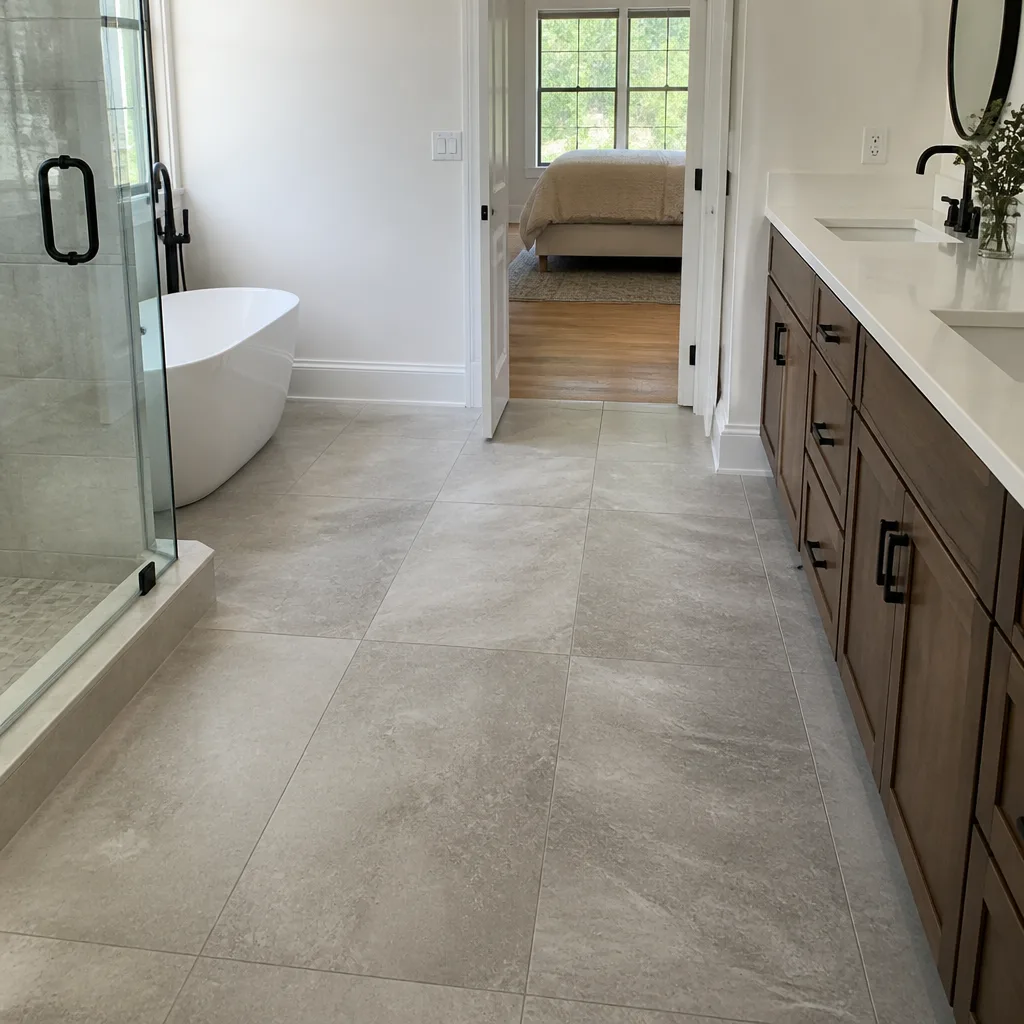 Porcelain tile
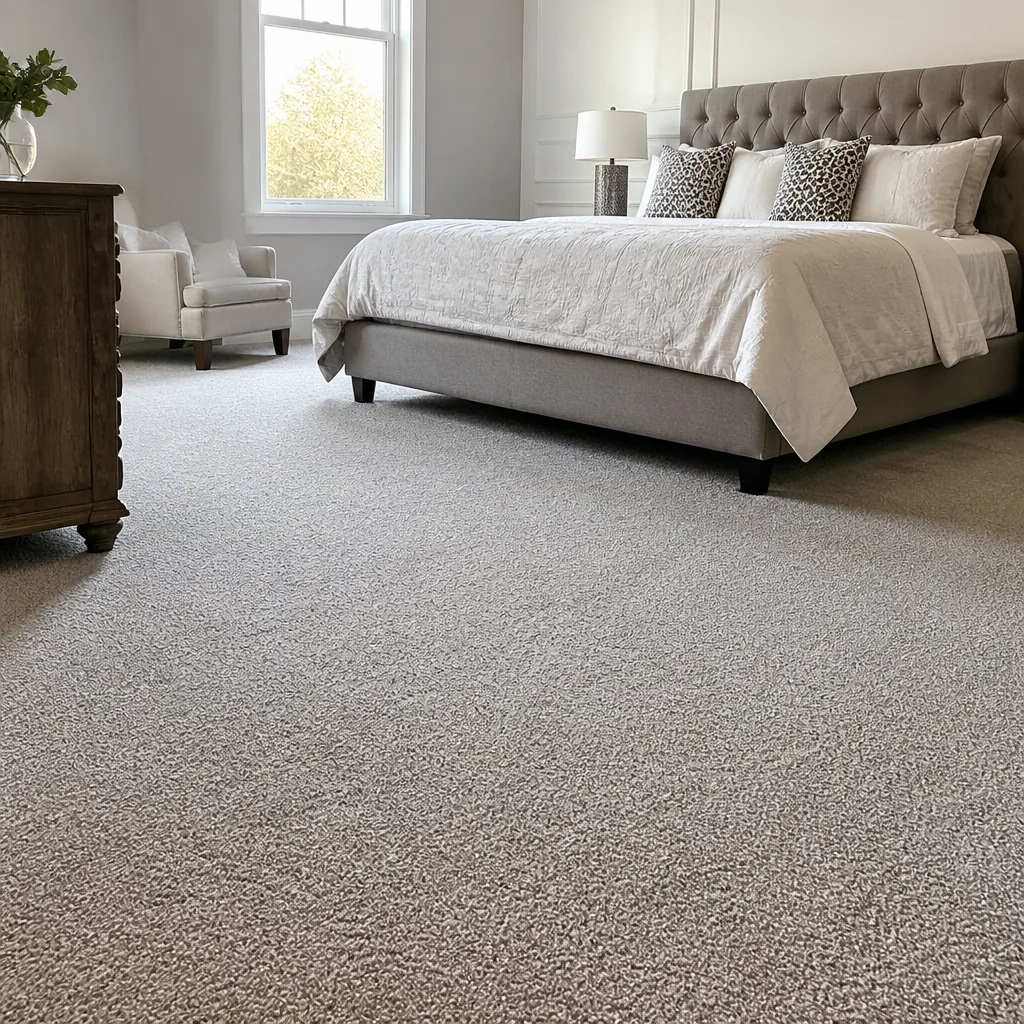 Carpet
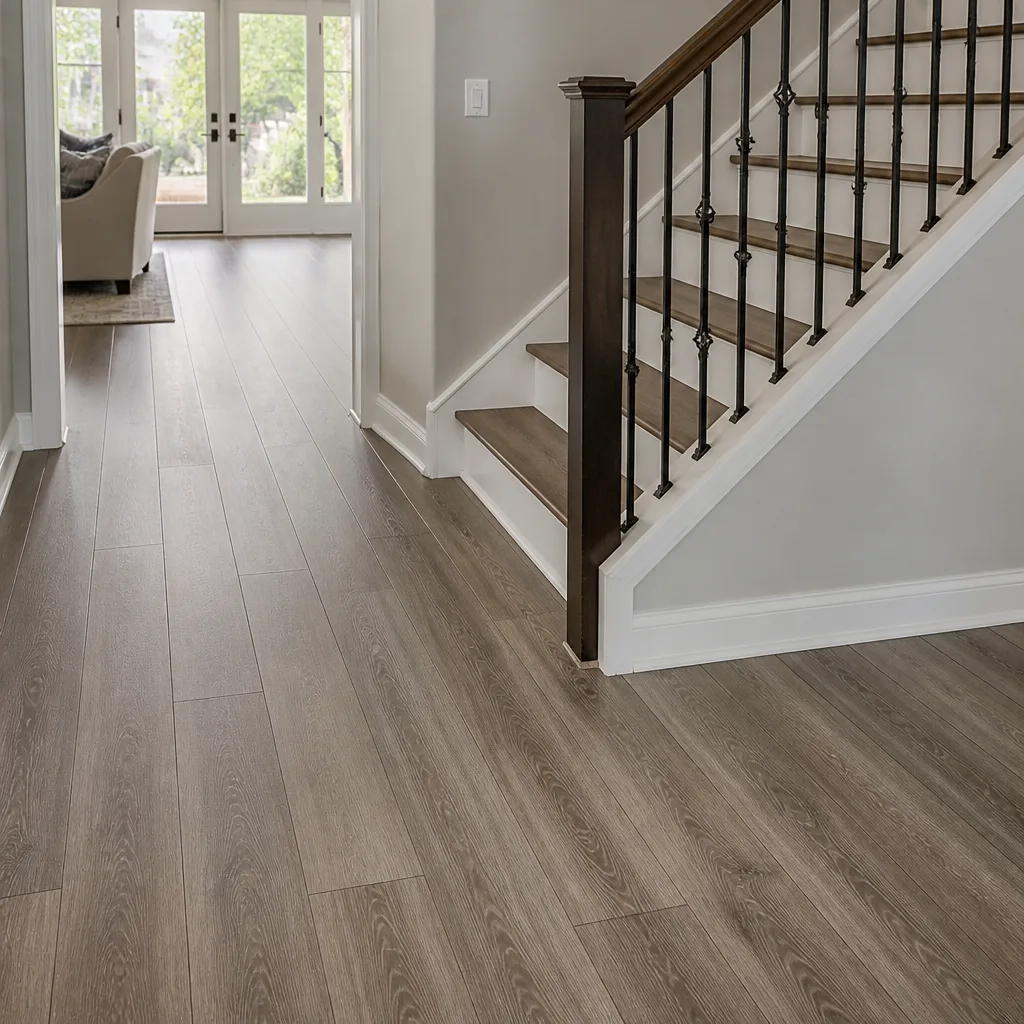 Shaw
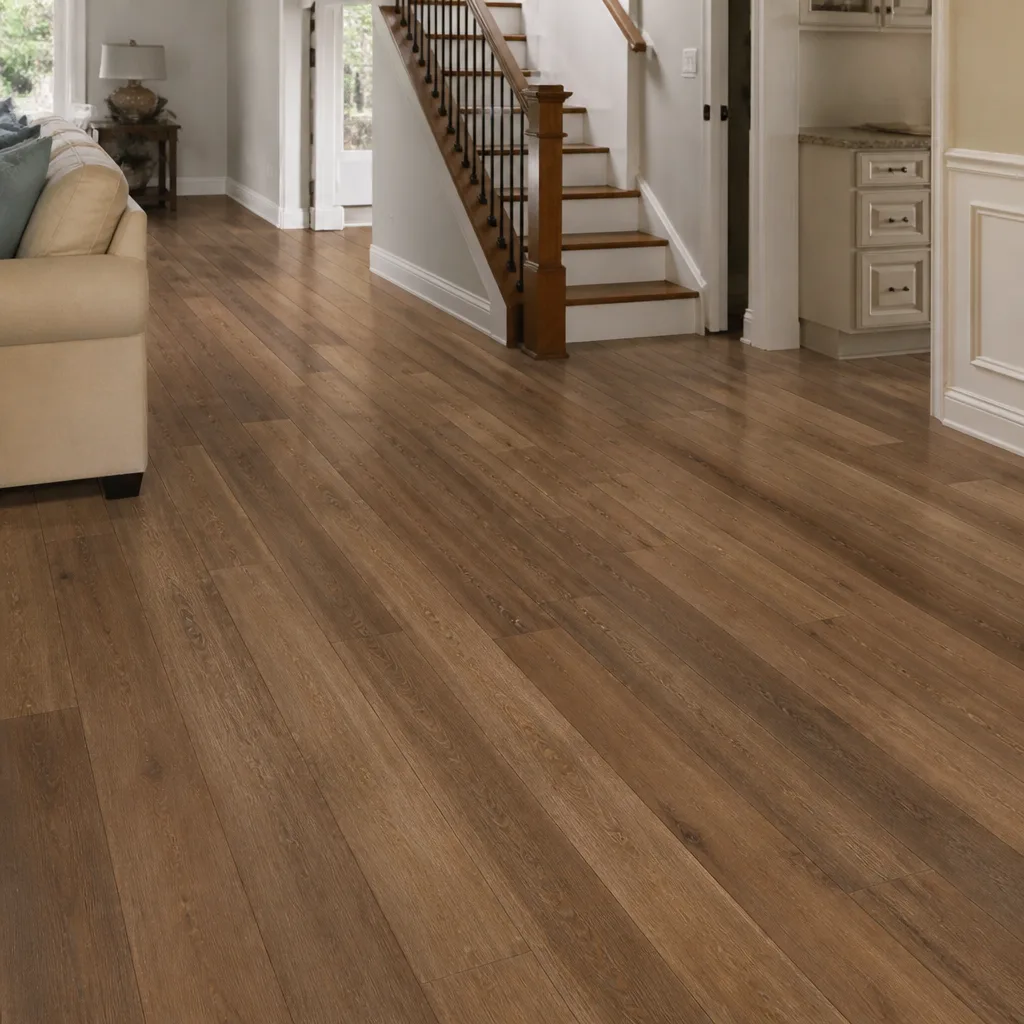 Mohawk
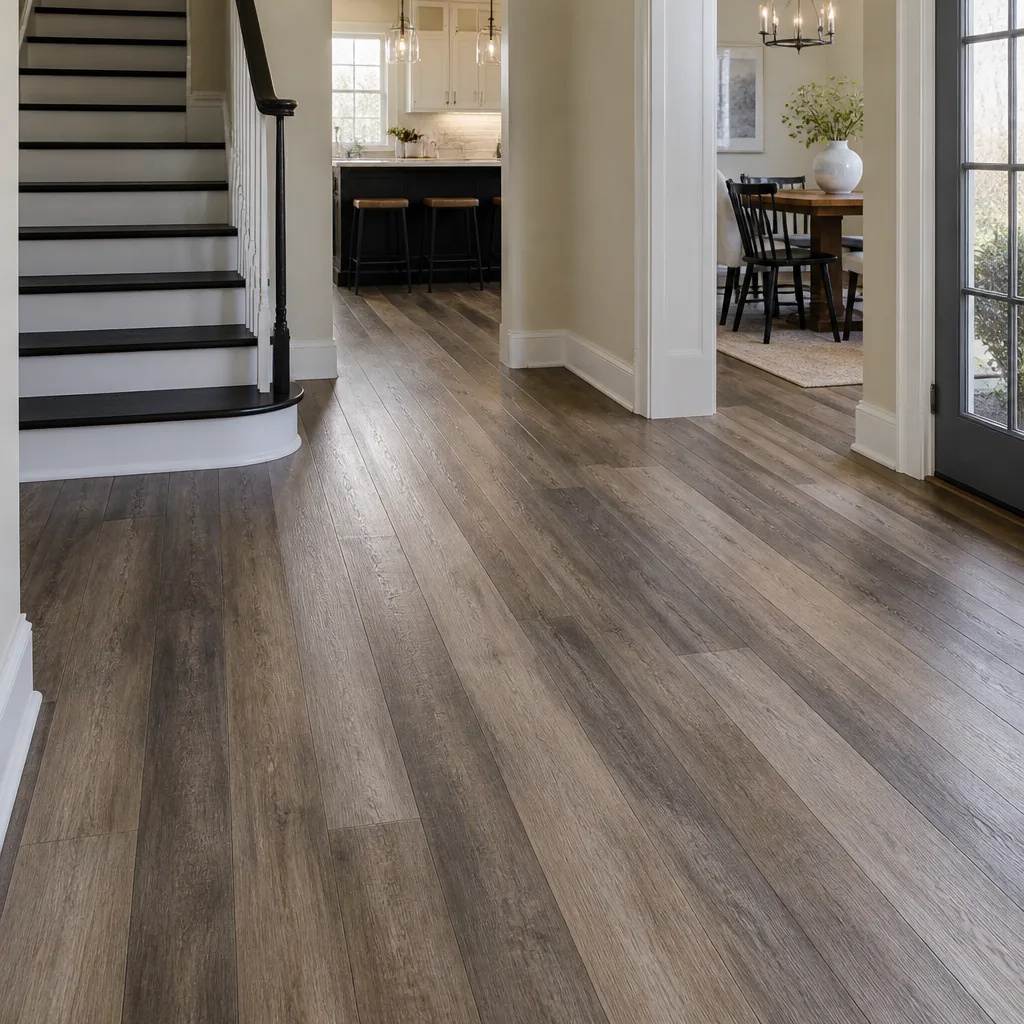 COREtec
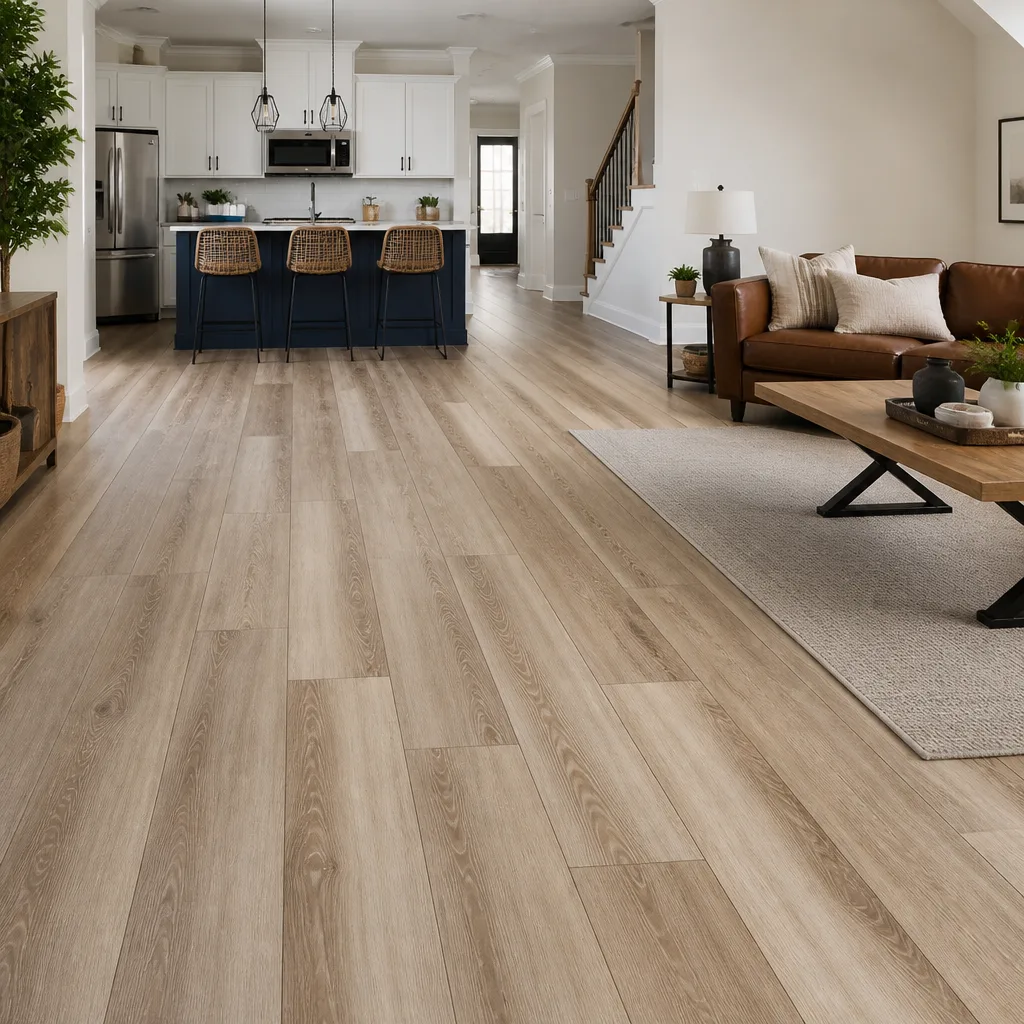 Pergo
Free in-home measure and written estimate: Shaw, Mohawk, COREtec and Pergo lines compared on your own rooms, with carpet, tile, vinyl plank, laminate and hardwood laid out side by side
Get your free estimateFlooring Cost Breakdown: The Enterprise Homeowner’s Reference for 2026
The number one reason a flooring project runs over budget isn’t the floor itself. It’s the prep work nobody quoted because nobody looked until demo day. Subfloor repair, moisture mitigation, furniture moving, haul-away, transition strips, binding on a carpet remnant that started as “just a small room” – these are the line items that turn a clean-looking bid into a stack of change orders. They don’t appear in the per-square-foot headline because the headline sells the job, not the work. This reference breaks every cost component of a 2026 flooring project in Enterprise into plain numbers, so when you sit across from a contractor, you can read the bid for what it actually covers and spot the gaps before the first board comes up.
Quick Answer
Flooring in Enterprise for 2026 generally runs from about $2 to $5 per square foot for materials on most of the floor types we install, with labor, underlayment, transitions, and disposal adding to that. Hardwood refinishing is usually the lower-cost path compared to replacement when the existing wood is thick enough and sound enough to sand. The single biggest swing factor in your final number isn’t the material you pick – it’s what the subfloor looks like once it’s exposed. A written estimate that lists every line item, not one bundled price, is what keeps your budget honest.
Styles & brands we work with
- Hardwood
- Engineered hardwood
- Luxury vinyl plank
- Laminate
- Porcelain tile
- Carpet
- Shaw
- Mohawk
- COREtec
- Pergo
Table of Contents
- What Do Floor Materials Cost Per Square Foot in Enterprise?
- Line-Item Breakdown: What’s Hiding Inside a Single-Number Quote?
- How Does Subfloor Condition Change the Price?
- Supply-and-Install vs. Buying Materials Separately
- What Does “Per Square Foot” Actually Include?
- Hardwood Refinishing vs. Replacement: The Cost Math
- How to Budget a Whole-Home Flooring Project
- Common Mistakes to Avoid
What Do Floor Materials Cost Per Square Foot in Enterprise?
Material pricing is the first number every homeowner wants, and it’s the one most often quoted without context. The ranges below are typical for the Southern Nevada market in 2026 across the brands we work with. They’re estimates, not quotes. Your written estimate sets the final number.
- Carpet: roughly $2 to $4 per square foot for the carpet itself, plus pad and labor. Carpet is the most budget-friendly option per square foot across the board, though the price spans widely depending on fiber and construction. We install carpet installation in bedrooms, stairs, and whole upstairs levels commonly.
- Luxury vinyl plank (LVP): roughly $3 to $5 per square foot for premium brands like COREtec and Karndean, with Pergo and LifeProof sitting at the entry-to-mid range. LVP dominates the Southern Nevada market because it handles slab moisture and temperature swing better than most.
- Laminate: roughly $2.50 to $4 per square foot, similar positioning to LVP but with a different wear character and a rigid core that requires a flatter subfloor.
- Tile: roughly $3 to $7 per square foot for porcelain and ceramic, with large-format and specialty tile pushing higher. We install tile flooring installation with Daltile product lines, which gives you professional-grade sourcing not usually offered by a general handyman.
- Hardwood: roughly $5 to $9 per square foot for solid and engineered hardwood material, based on species and construction. Installed, in a home with a sound subfloor, this is the top of the material range.
The spread inside each category is real. Two “LVP” products can differ more than a carpet and an LVP might, depending on wear layer, core density, and the brand behind them. Mannington and Armstrong both sit in the mid-to-upper band; Pergo and LifeProof are more accessible. Ask what’s actually driving the number inside the range you’re considering.
Line-Item Breakdown: What’s Hiding Inside a Single-Number Quote?
A single-number bid tells you nothing about where the money goes. Here’s what a properly broken-out flooring estimate in Enterprise should show you, line by line.
- Material: the floor covering itself, by square footage and product name.
- Labor: separate from material and priced per square foot of installed floor, not “included.”
- Underlayment or pad: a distinct line. Carpet pad, LVP underlayment, tile membrane – each has its own cost and its own job.
- Adhesive and setting materials: for tile and glue-down products, these are real costs, not scraps.
- Transitions and trim: T-molds, reducers, stair nosing, base shoe, end caps. A room with a doorway and a hallway can add $40 to $120 or more in transition materials alone, depending on the profile.
- Furniture moving: some bids include it, some add it. Ask which.
- Haul-away and disposal: old carpet, pad staples, tile thinset, packaging. Disposal in Southern Nevada has a real cost and often shows up as a surprise line.
- Subfloor prep: the wild card. Quantified after the demo, not before, unless the estimator pulls up a corner and checks.
When you compare bids, compare these line items side by side. Two quotes at the same per-square-foot number can mean completely different scope. A bid that lists “material and labor, installed” is telling you it bundled the middle rows. Bundling isn’t dishonest, but you need to know what’s inside the bundle before you sign.
How Does Subfloor Condition Change the Price?
This is where most budgets break, and it’s the reason the opening of this guide put subfloor prep first. Southern Nevada homes sit on slab far more often than on a framed subfloor, and a slab brings its own realities.
Slab moisture is a common issue in Enterprise and the wider Vegas valley. Concrete pulls moisture from below even in a dry climate, and most flooring failures we’re called to look at trace back to moisture the installer didn’t measure. The right move is to check moisture before anything gets installed – the product manufacturer’s instructions and the written estimate set how it’s handled. If mitigation is needed, it’s typically a coating or a barrier underlayment, and that shows up as a real line on a good estimate.
Beyond moisture, subfloor issues that add cost include:
- Uneven slab: high spots and dips that need floor leveling compound to bring the surface into flat specification for the product.
- Cracked or spalled concrete: patching needed before any floating floor goes down.
- Old adhesive or thinset residue: scraping and grinding before a new floor bonds correctly.
- Delaminated or soft wood subfloor on framed homes: repair or replacement of damaged sections before prep and install.
- Old tile removal: hammering and hauling carries its own labor and disposal cost that rarely appears until it’s happening.
The answer to “how much will my subfloor prep cost” is: whatever the demo reveals. That’s why we pull up a corner during the free in-home measure and look at what’s actually underneath. A written estimate that acknowledges prep as conditional beats one that pretends there’s no risk at all.
Supply-and-Install vs. Buying Materials Separately
Homeowners ask us this constantly, so here’s the honest math. Buying your own flooring at a big-box store and hiring labor separately can look cheaper on paper. In practice, the savings often evaporate in three places.
- Shortfall and waste: flooring has cut waste – 5 to 10 percent is common for a straightforward room, and higher for diagonal layouts and complex shapes. Buy too little, and a second trip to the store mid-install means a dye lot mismatch or a special order. Buy too much, and you’re paying for remnants you can’t return.
- Coordination risk: if the product is damaged, short, defective, or the wrong grade, the installer isn’t responsible. You’re the middleman between two parties, and the install day can stall while you sort it out.
- Accountability gap: who covers it if the floor fails? A supply-and-install specialist owns the whole job. Split the job into two parties, and both can point at each other.
A supply-and-install specialist also brings access to brand lines – Shaw, Mohawk, COREtec, Pergo, LifeProof, Mannington, Armstrong, Daltile, Karndean in our case – with selections you can’t always buy off a box-store shelf. The pricing is quoted per job by the written estimate, so you know the whole number before the first staple is pulled.
What Does “Per Square Foot” Actually Include?
Per-square-foot pricing sounds simple. It isn’t, because the definition of “per square foot” is where the change orders live.
When a bid quotes a per-square-foot number, the questions to ask are:
- Is this material only, or material plus labor?
- Does it include the underlayment or pad?
- Does it cover transitions at doorways and room boundaries?
- Are stairs priced the same per square foot, or per step?
- Is demo and haul-away of the old floor included?
- Is subfloor prep included, and if not, how is it priced?
- Is furniture moving included, and is there a limit on how much?
- Does the number hold if the room comes in smaller or larger than measured?
Two bids at the same number can be thousands of dollars apart once these are added up. The safest approach: get the written estimate to itemize every question above, and know which of them are fixed and which are conditional. Anything conditional gets a note in writing.
Hardwood Refinishing vs. Replacement: The Cost Math
If you have hardwood that’s worn, dull, or dated in finish, refining what’s there is almost always the smarter spend. A full replacement – pulling up the wood, buying and installing new – runs well above refinishing on material and labor alone. Refinishing uses the wood you already own.
The catch is that refinishing isn’t always possible. Whether a floor can be sanded depends on two things:
- The thickness of the wood: solid hardwood has more material to work with. Thin engineered surfaces can only be sanded so many times before the wear layer is gone.
- The condition of the floor: cupping, deep damage, gaps, or existing finishes that are too hard to sand cleanly can make refinishing impractical.
We check both at the estimate visit. If the floor can be refinished, it’s a cost-effective alternative to replacement, and it keeps the original character of the home – important in a lot of Enterprise homes where the wood is part of the architecture and replacing it would lose that. We also offer Flooring Installation Enterprise services across carpet, tile, and hardwood, so one call covers a whole-home project instead of splitting work between three contractors.
How to Budget a Whole-Home Flooring Project
Whole-home projects have their own cost logic. Here’s how we walk Enterprise homeowners through the sequence.
- List rooms by square footage. Include closets, doorways, and any area the flooring will run into. A room floor plan with measurements taped to it is faster than measuring on the fly.
- Group rooms by category. Carpet in bedrooms, tile in kitchens and baths, hardwood or LVP in main living areas. Mixing categories across rooms is normal and rarely the more expensive path.
- Get a free in-home measure and estimate. A room-by-room walkthrough with an estimator beats a phone number. We check subfloor conditions in each area and note anything conditional.
- Get the written price back with line items. Compare against a second bid using the line-item questions in this guide.
- Schedule the install day. The schedule is set at the estimate, and the install is a booked job, not a walk-in. Plan the room order to keep the household functional – carpet stairs, then bedrooms, then main areas, is a common sequencing.
- Plan for waste and remnants. Every project loses a small percentage of material to cuts. If you plan to keep extra for future patch, say so at the estimate so it’s priced in.
If your focus is a single room or a fresh start on one level, working with a specialist rather than a generalist makes the pricing clearer because they quote each category from experience, not from a book. We install Pergo and Mannington in a lot of whole-home projects, and knowing their installation requirements is part of why the estimate holds.
Common Mistakes to Avoid
- Comparing bids without a scope list. Two numbers that differ by $0.50 per square foot tell you nothing until you see the line items. Line them up before you decide.
- Skipping the moisture check on slabs. In Enterprise and across Southern Nevada, slab moisture is a real risk to a new floor. If the estimator doesn’t check it, ask why.
- Buying material without waste. Cuts and mistakes happen. Ordering exactly the measured square footage almost always means a second order and a dye lot match problem.
- Forgetting transitions and base trim. Doorways, room edges, and baseboards need profiles. They’re small line items individually but add up fast across a whole home.
- Assuming stairs price like rooms. Stairs are priced per step, not per square foot, and that changes the math on multi-level projects.
- Not asking who handles the old floor. Demo and haul-away aren’t automatic. Old carpet, tile, and thinset create disposal costs that need to be in the written estimate.
- Refinishing a floor without checking thickness first. Sanding an engineered floor past its wear layer ruins it. The check happens before the job, not after.
See the difference
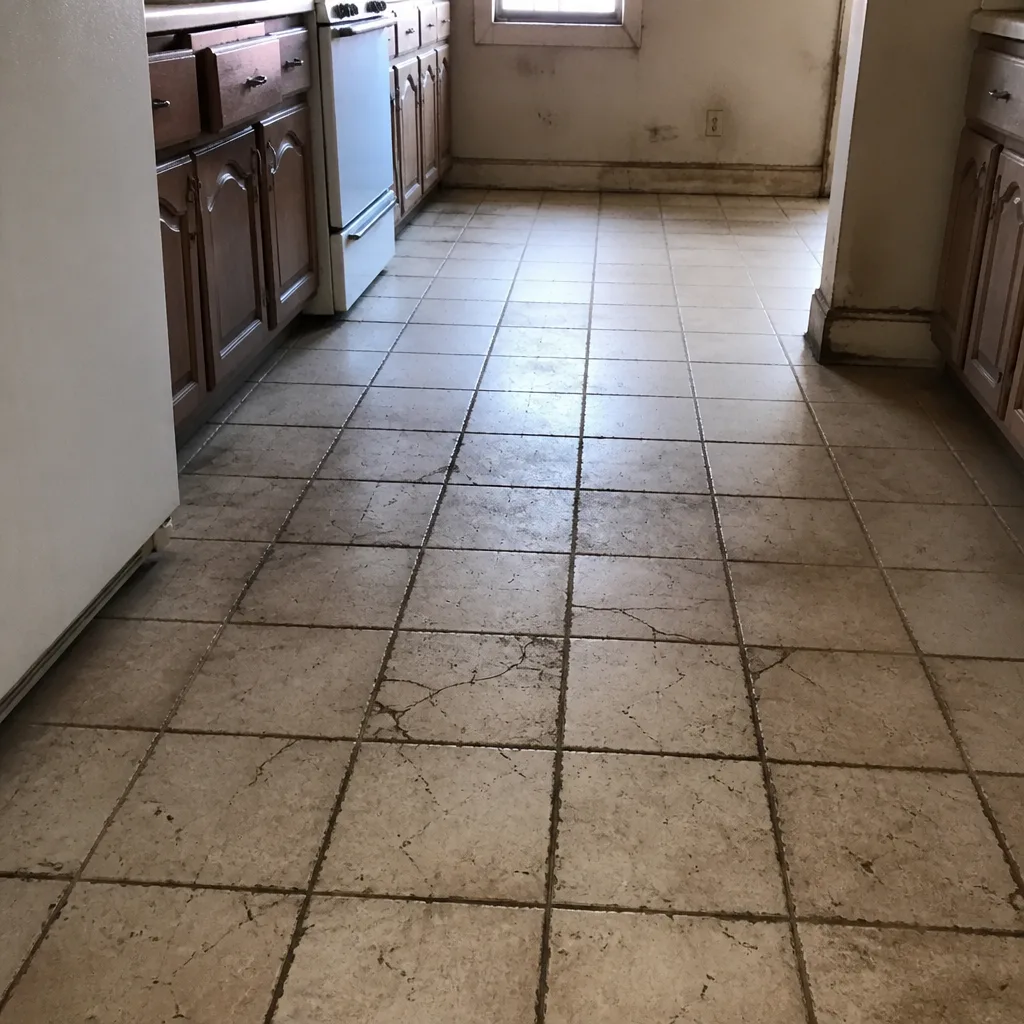 Before
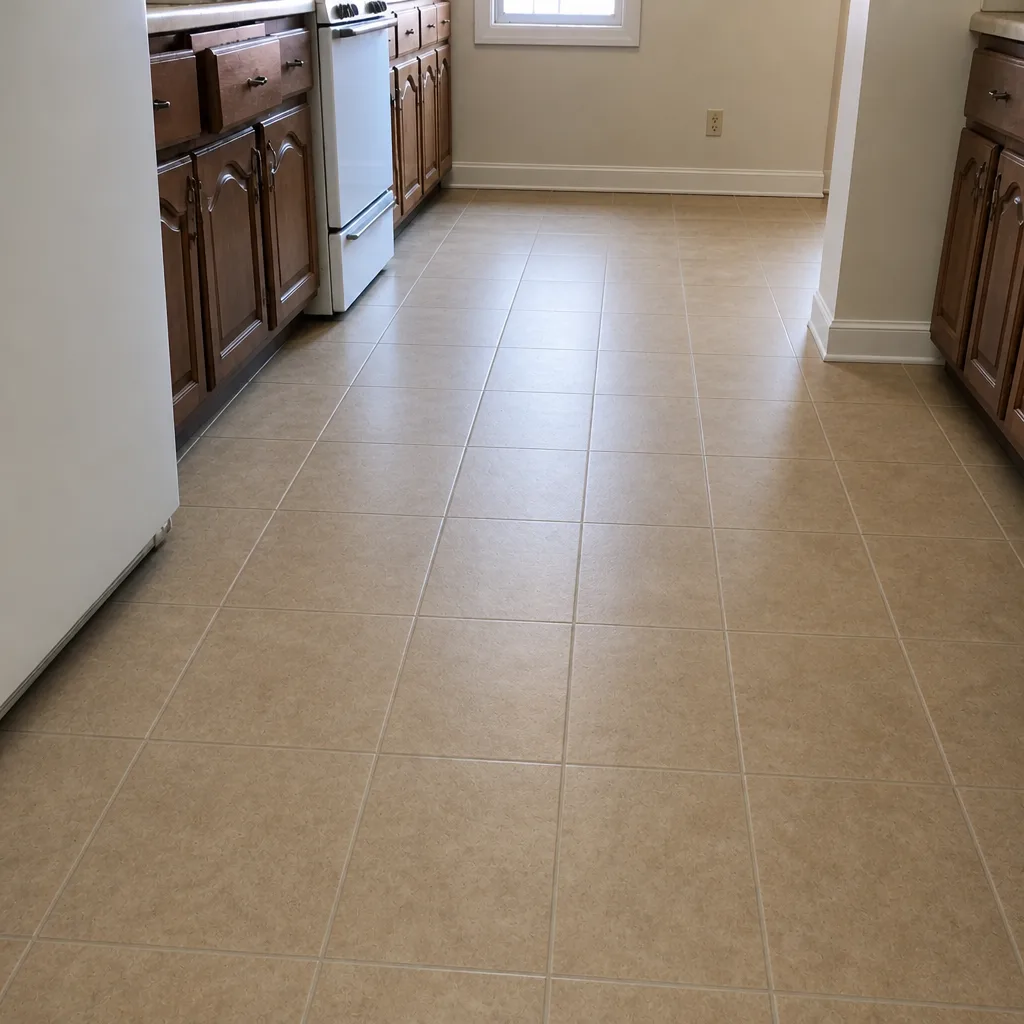 After
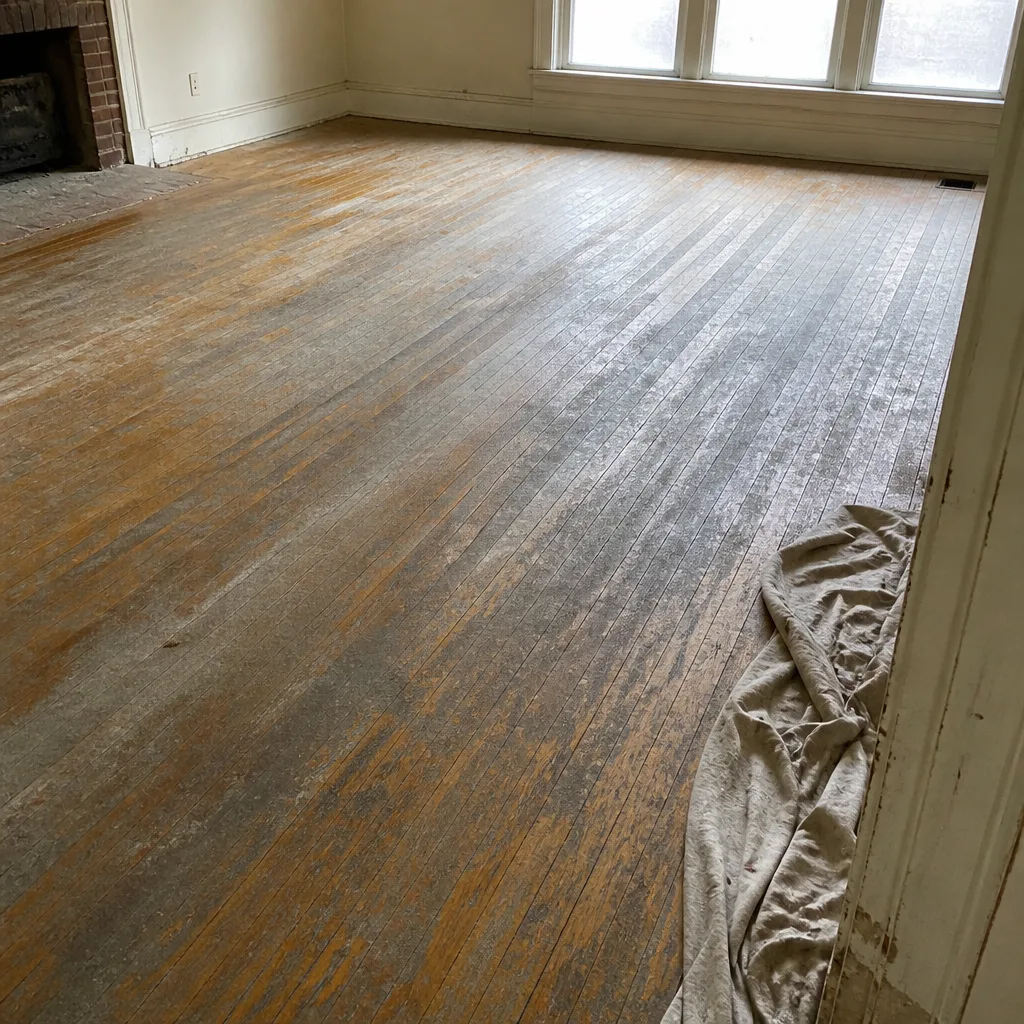 Before
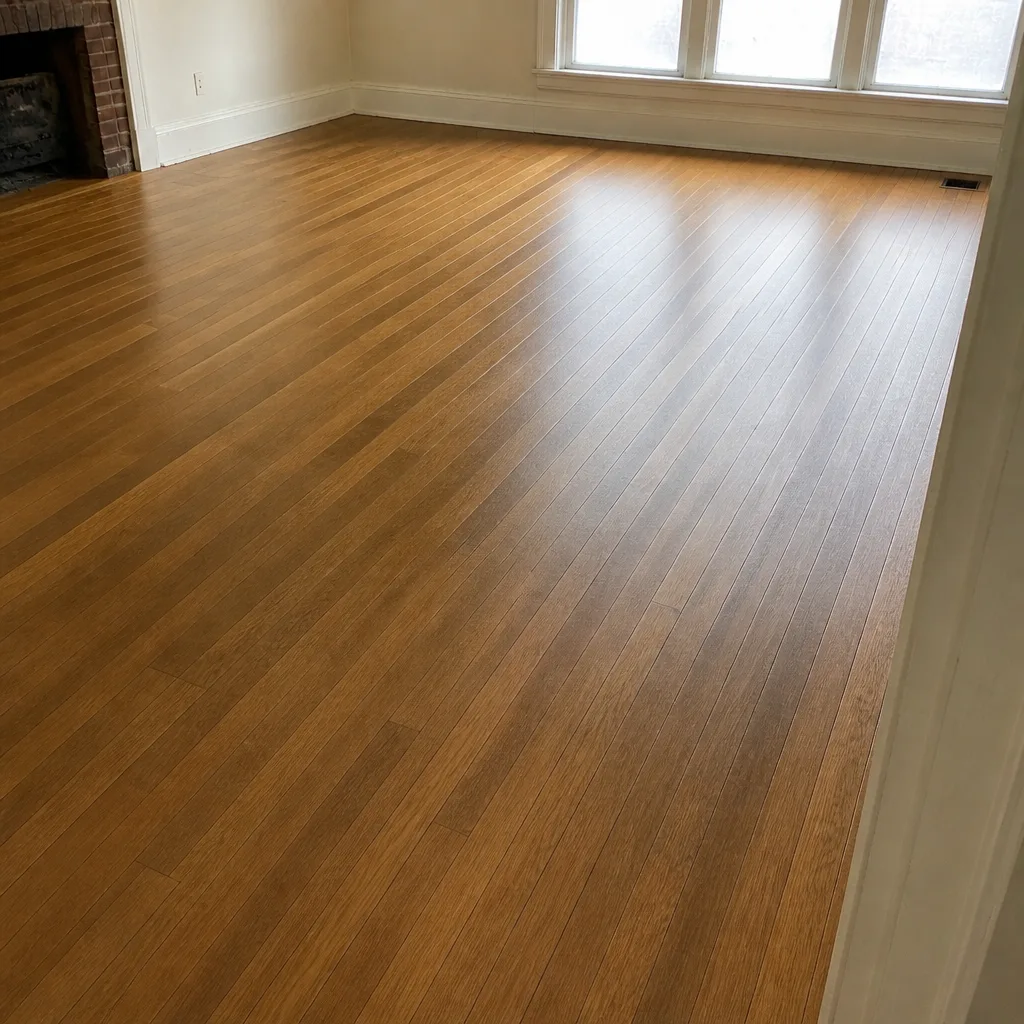 After
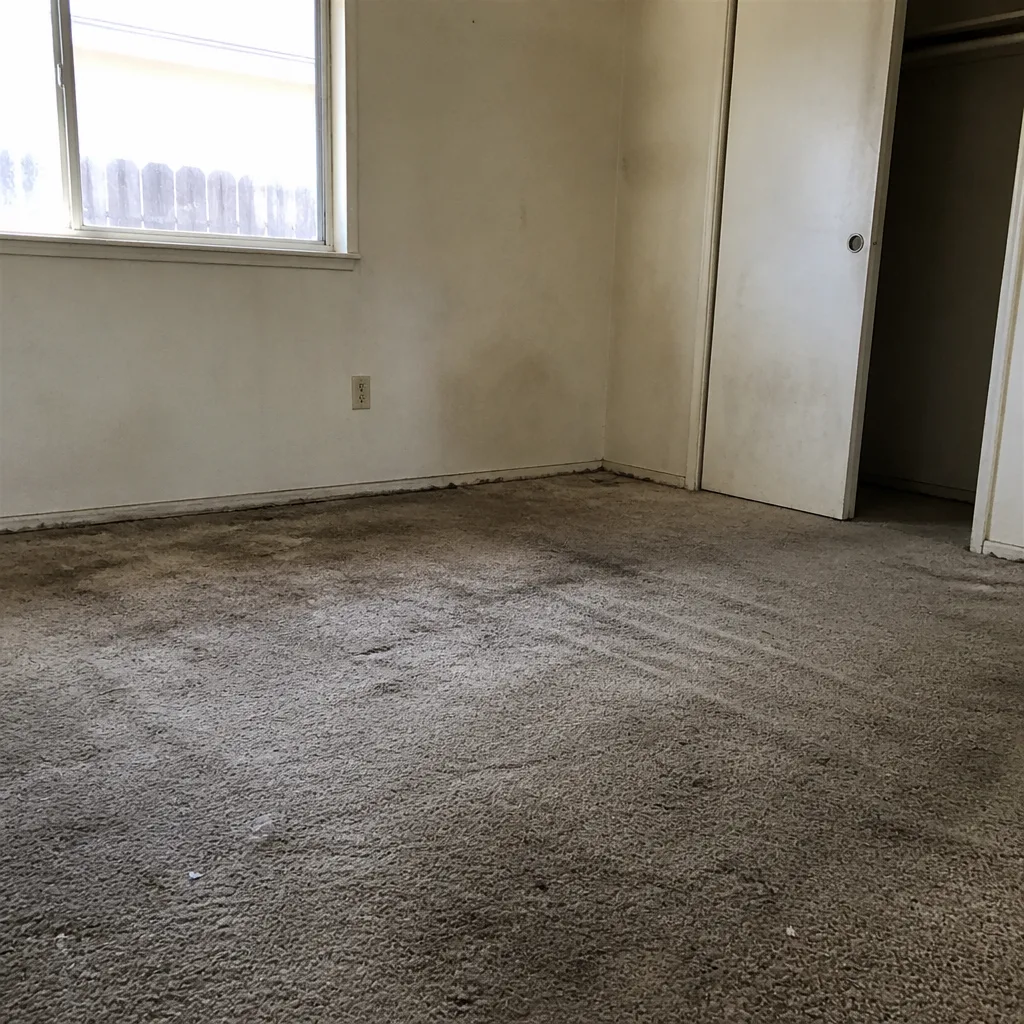 Before
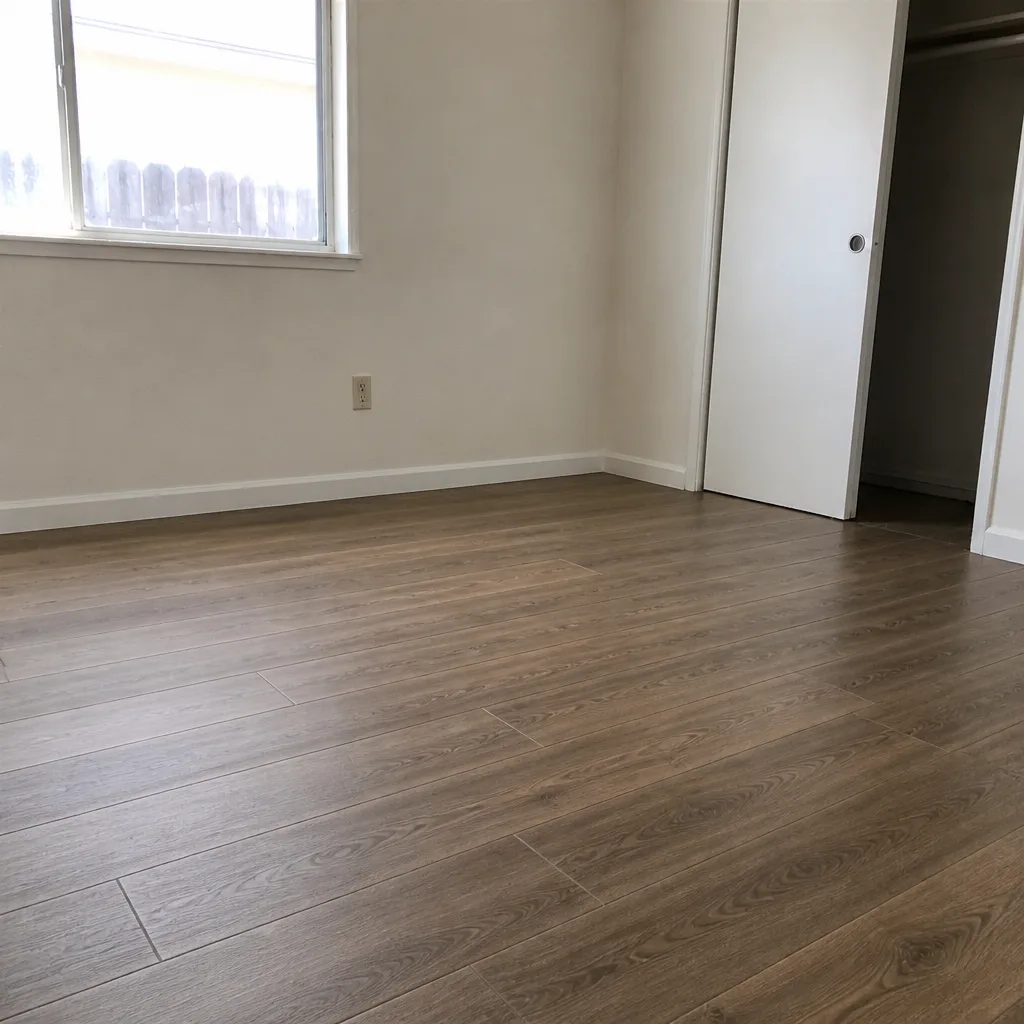 After
When to Call a Professional
Some flooring jobs are genuinely DIY-friendly, like a small standard-size room with a floating product and a flat subfloor. Others aren’t. Call a professional when: the subfloor is uneven, cracked, or has unknown moisture; the old floor has tile or thinset that needs demo; the job involves stairs or transitions between multiple flooring types; or the project is a whole-home installation where sequencing and scheduling matter. Tile installation in particular demands technical skill that most homeowners underestimate, especially with large-format material. We install and service the floor you choose, and we work with your brand if it’s on our line. Flooring Installation Enterprise offers free estimates in Enterprise – call (844) 560-4386 to schedule your in-home measure and written price.
Frequently Asked Questions
Most installations in Enterprise fall in the range of about $3 to $9 per square foot for the full job, depending on material, subfloor condition, and category. That combines material, labor, underlayment, and standard transitions. Subfloor prep and demo of an existing floor can add to that when they’re needed. Call (844) 560-4386 for an exact written quote – estimates are free.
Yes. The in-home measure and written estimate are free. We look at the subfloor, measure the rooms, and hand you a line-item estimate with no obligation. Call (844) 560-4386 to schedule your measure.
The length of the install is set at the estimate, because it depends on the size and number of rooms, the flooring category, and any subfloor prep needed. Carpet in a bedroom is a very different job from a whole-home tile install. We give you a realistic scope of work in the written estimate, and the schedule is booked when you approve it. Call (844) 560-4386 to start with a free measure.
Subfloor prep is expensive because it’s labor-intensive and can’t be guessed from the outside. Moisture mitigation on a slab, leveling compound under a floating floor, scraping old adhesive, and repairing damaged sections are each real work that adds cost, and each one is invisible until the floor is up. A good estimator checks a corner during the free measure to anticipate big-ticket prep. Call (844) 560-4386 to have your subfloor looked at before you commit.
Often yes, if the wood is thick enough and the surface is in condition to sand. What we check at the estimate is thickness and condition. Refinishing is typically the more cost-effective move and preserves the original floor. If it’s not possible, we tell you at the visit. Call (844) 560-4386 to schedule the look.
You can, but the savings often shrink once waste, coordination, and accountability are factored in. Supply-and-install is one quote, one point of responsibility, and access to brand lines that don’t always show up on a store shelf. Our written estimate tells you the whole number up front. Call (844) 560-4386 for a free estimate on your Enterprise project.
The Bottom Line
The floor isn’t the cost. The scope is. A 2026 flooring project in Enterprise is priced by the material category you pick, the labor and prep it takes to install it correctly, and the line items – transitions, haul-away, moisture mitigation, subfloor repair – that hide inside a bundled quote. A written estimate with each of those lines itemized is your best defense against surprise change orders. Compare bids like for like, ask where subfloor prep lives, and check moisture before the install, not after. We install carpet, tile, and hardwood in Enterprise. Call (844) 560-4386 to schedule your free measure and written price. Our technicians have up to 9 years of experience. We answer 24/7. Fast dispatch from 7am to 7pm, Sunday through Friday, closed Saturday.
Written by the team at Flooring Installation Enterprise.