
Last updated November 18, 2026
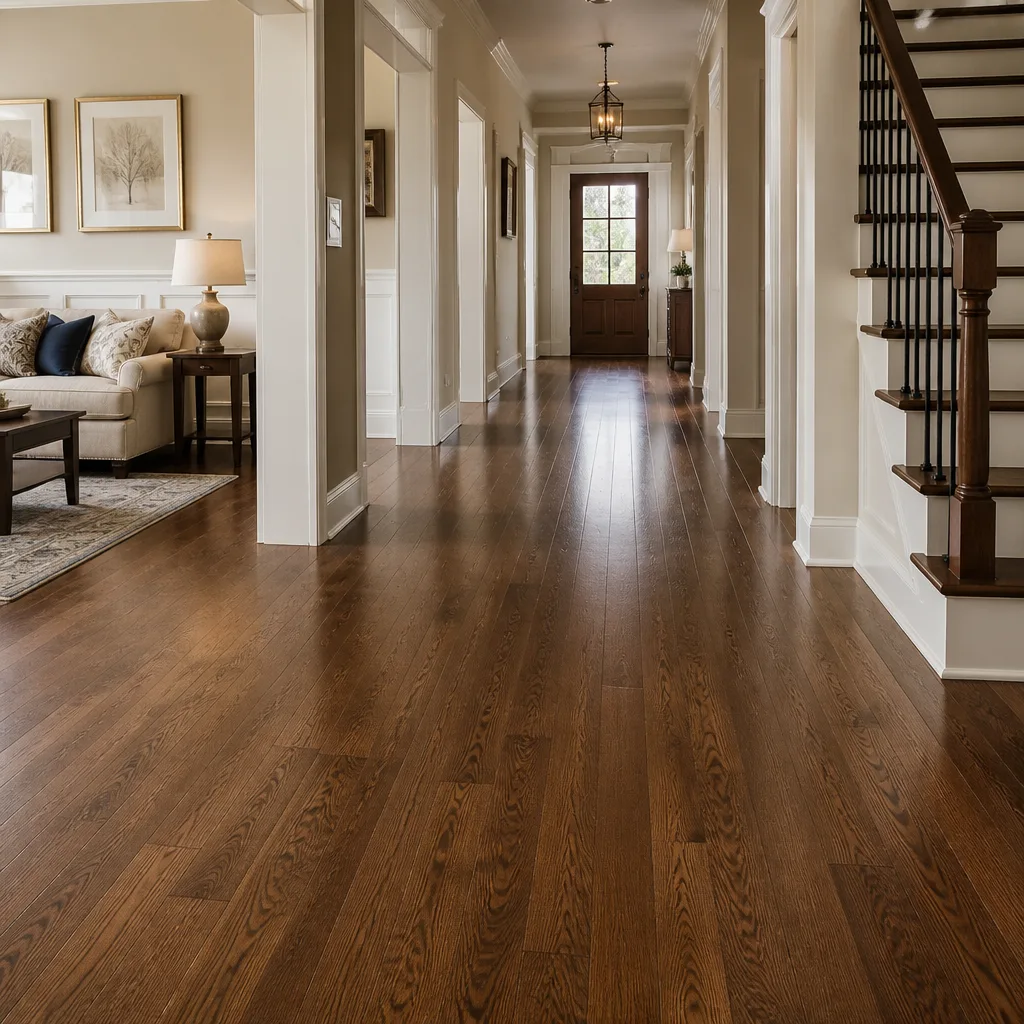 Hardwood
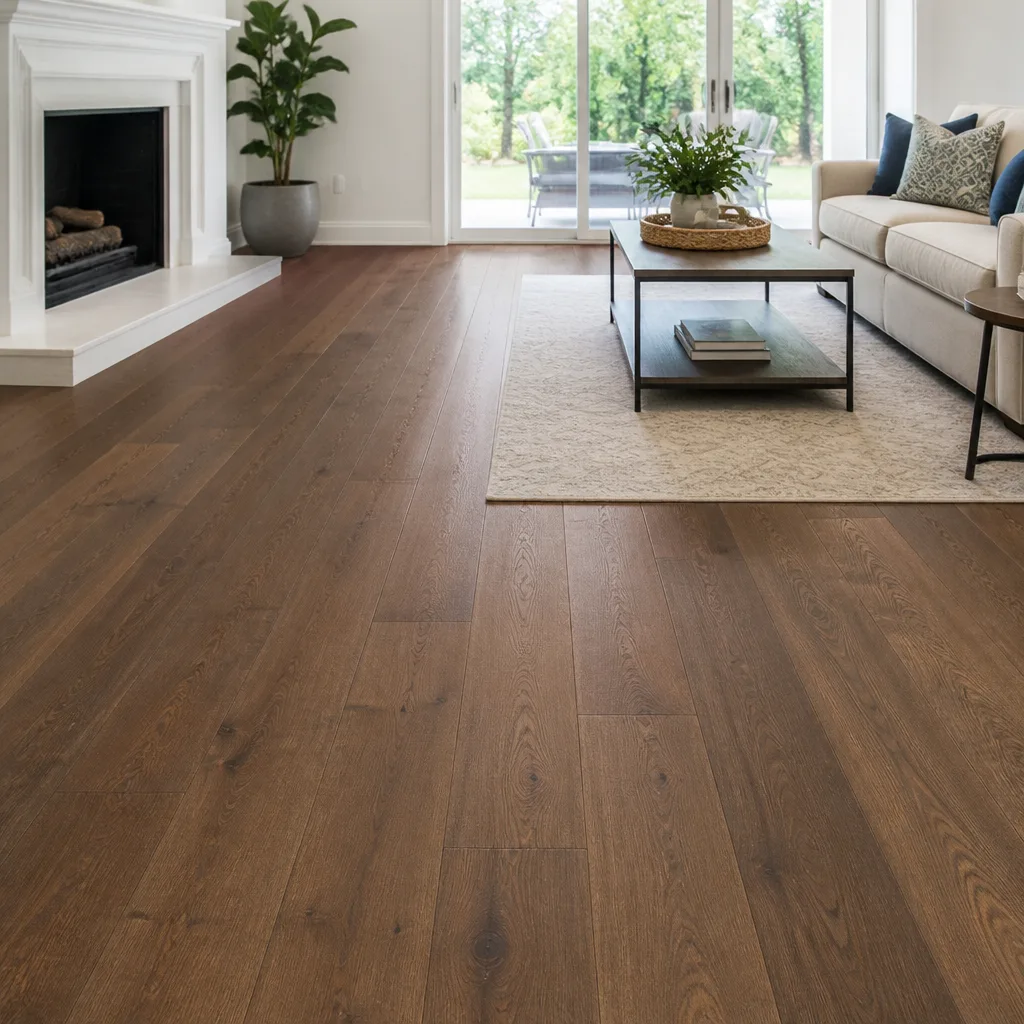 Engineered hardwood
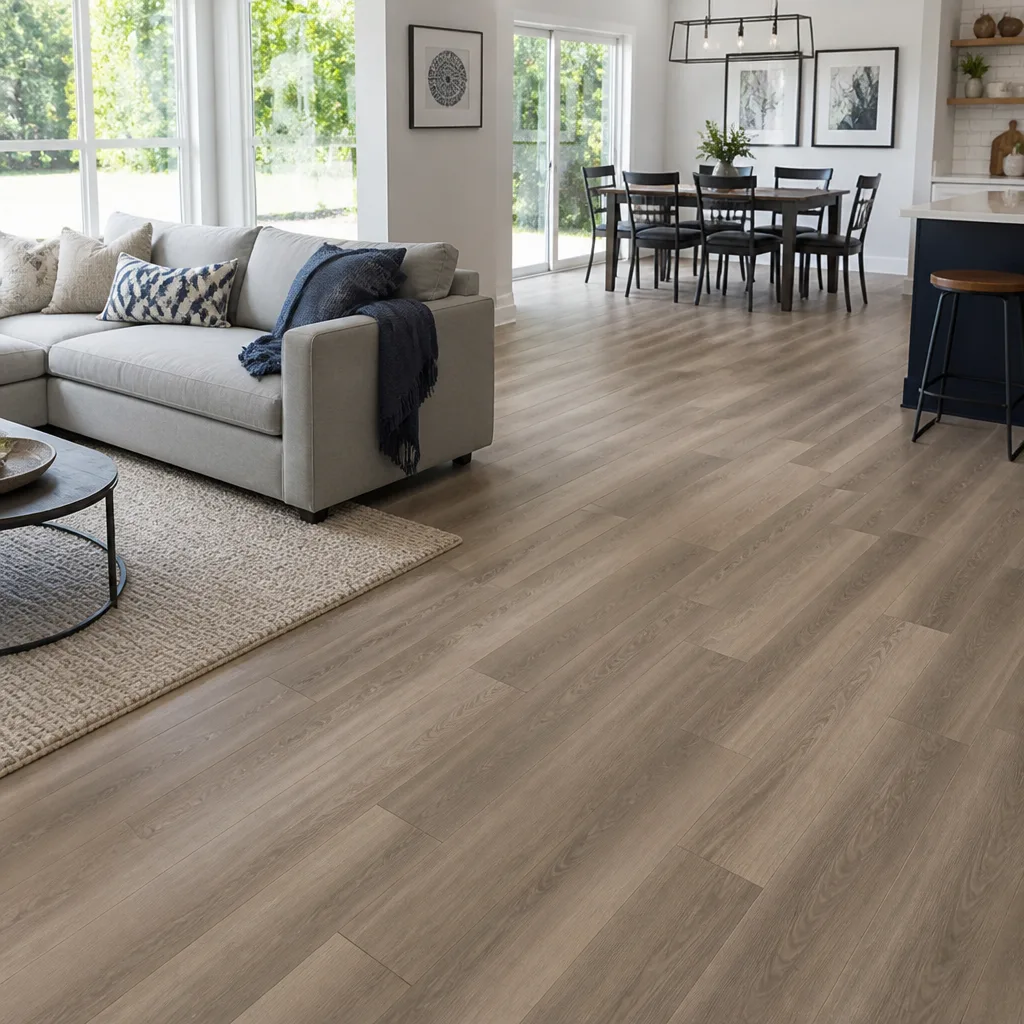 Luxury vinyl plank
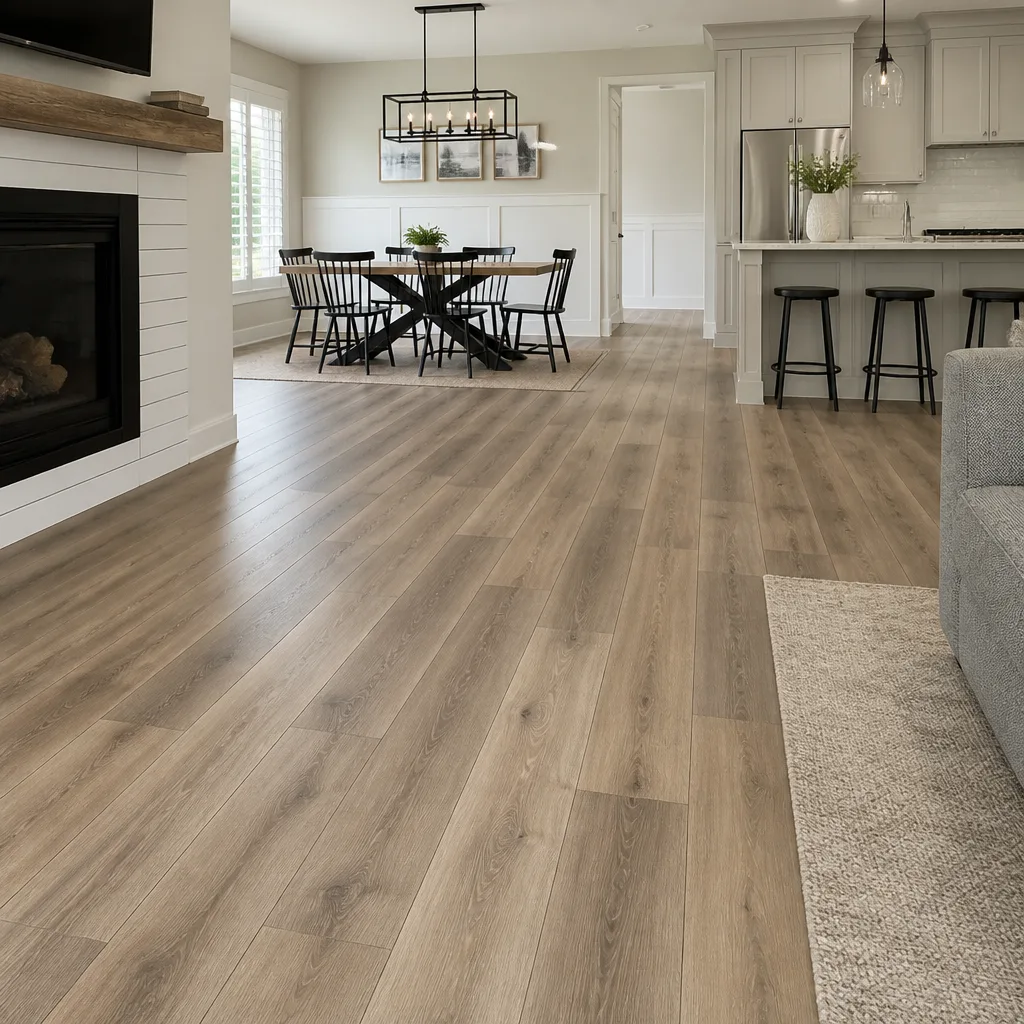 Laminate
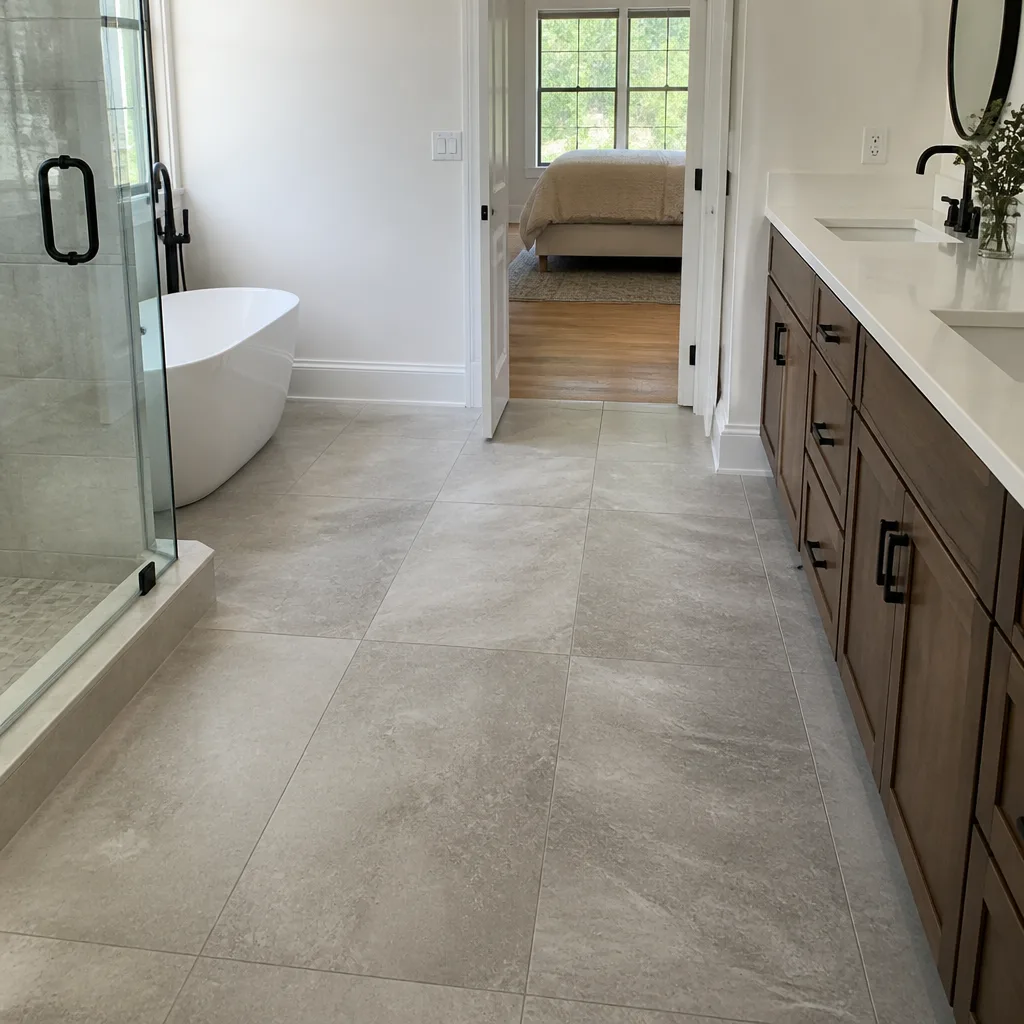 Porcelain tile
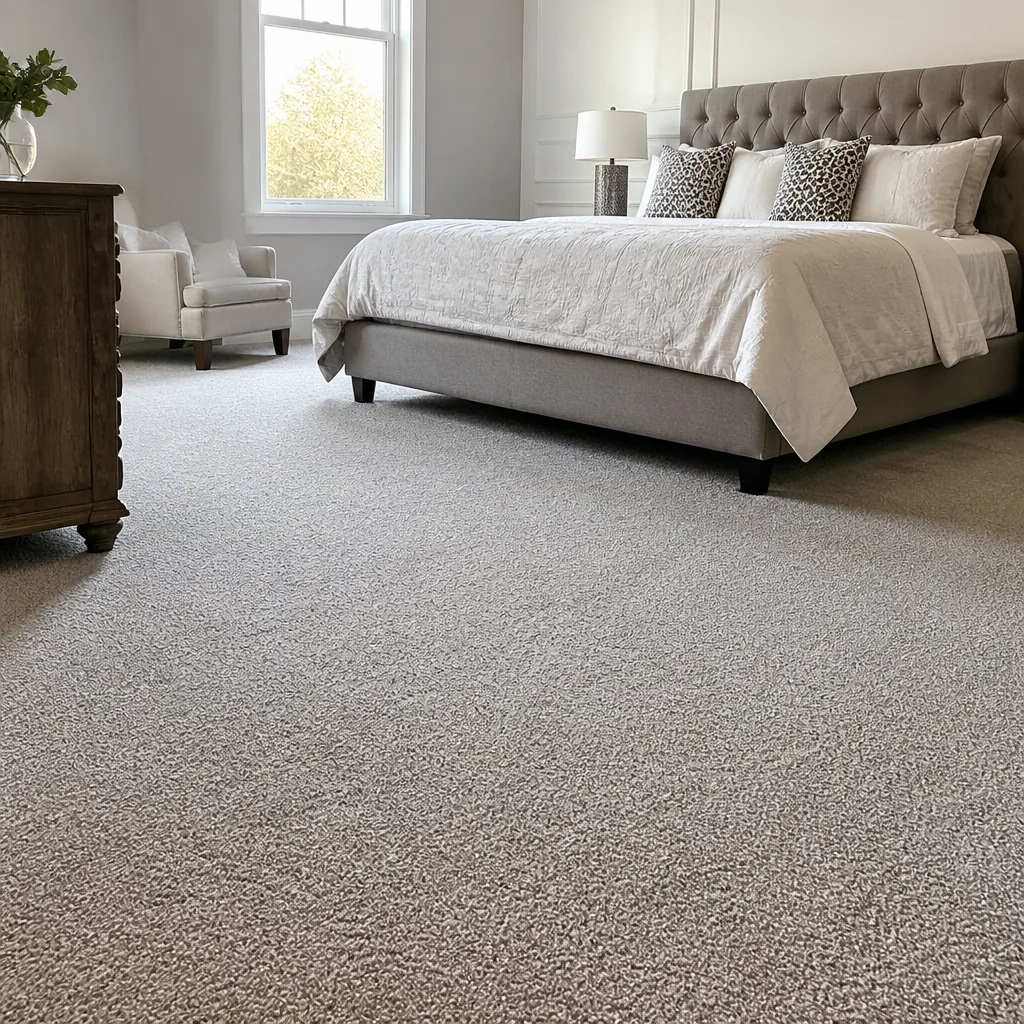 Carpet
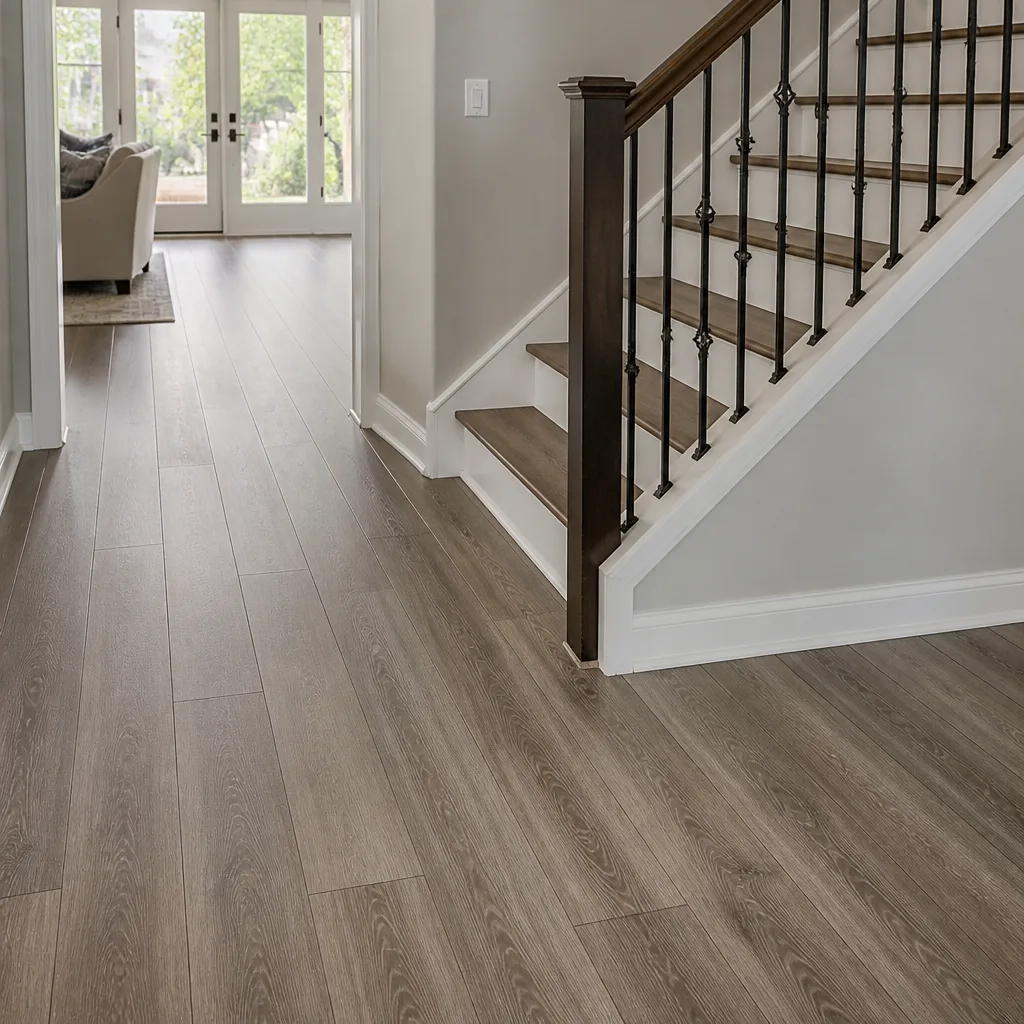 Shaw
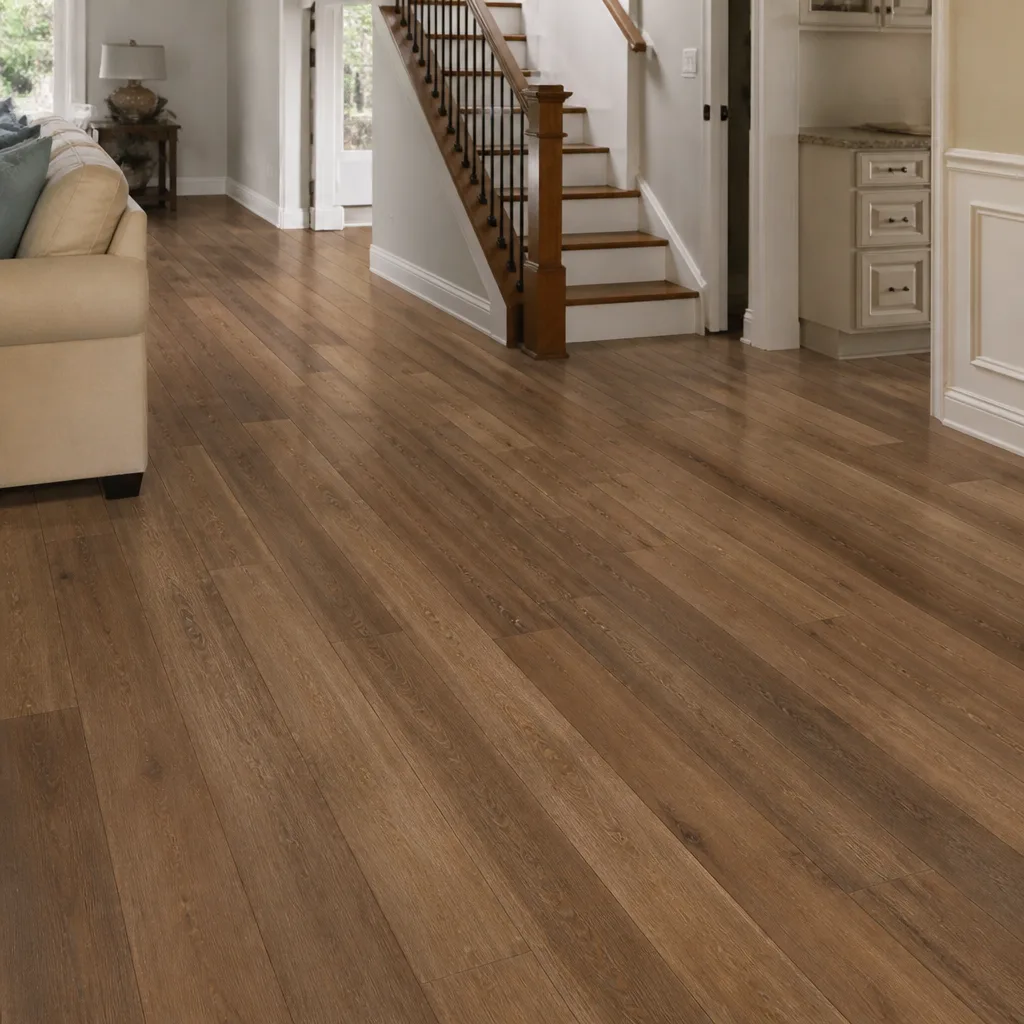 Mohawk
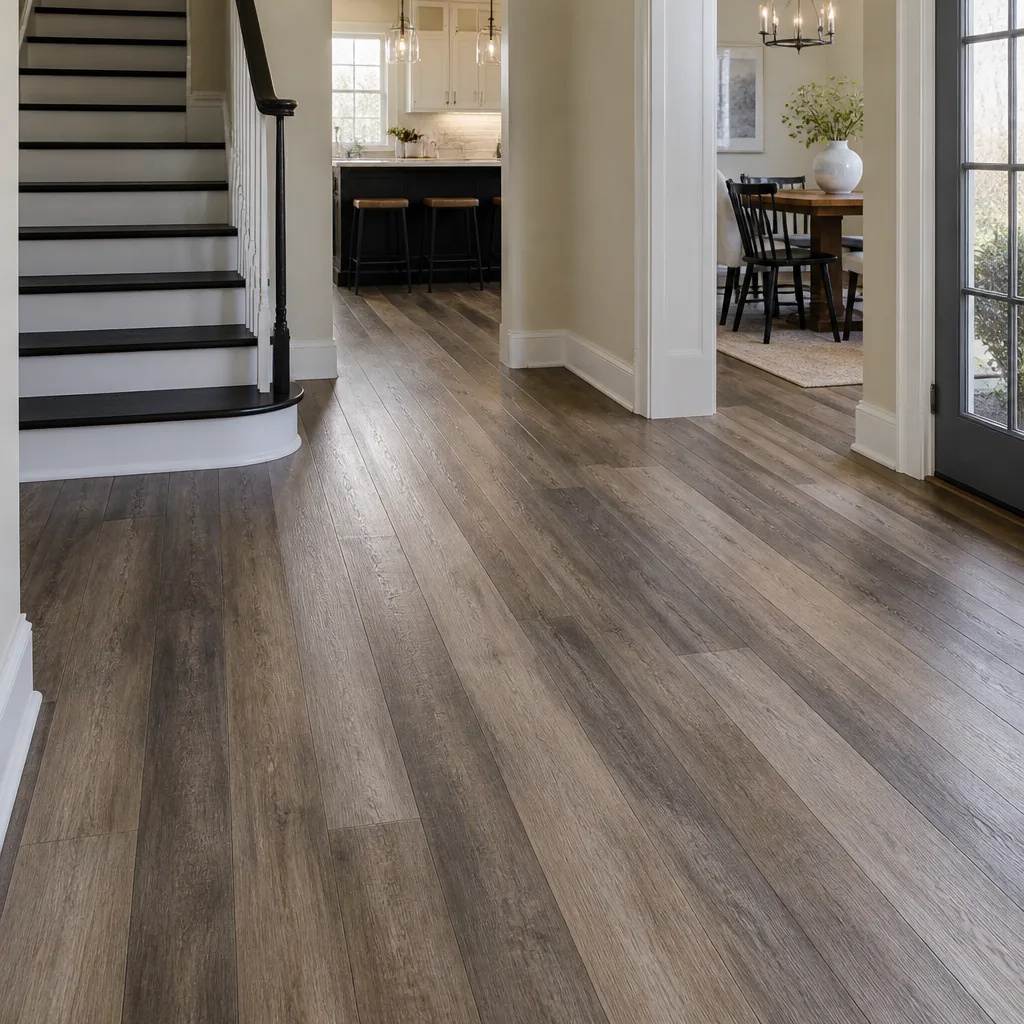 COREtec
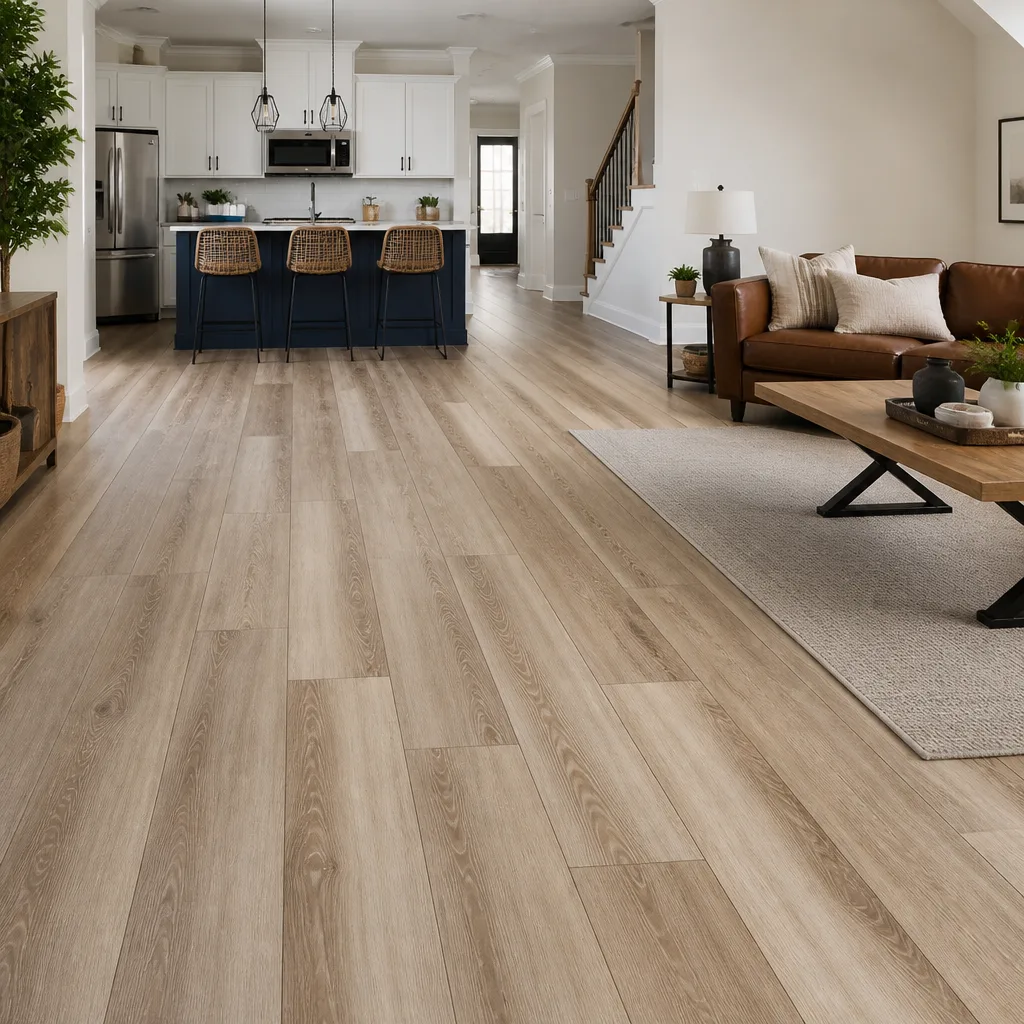 Pergo
Free in-home measure and written estimate: Shaw, Mohawk, COREtec and Pergo lines compared on your own rooms, with carpet, tile, vinyl plank, laminate and hardwood laid out side by side
Get your free estimateHow Enterprise’s Climate Can Affect Your Flooring Choice
Most flooring advice you’ll read was written for a national audience. It talks about humidity in general terms, about “acclimating” a product, about choosing what looks right in the showroom. None of it accounts for what happens in Enterprise when a west-facing room sits unshaded on a July afternoon and the slab under your feet climbs past 90°F. Or what low desert humidity does to a solid oak board over a dry summer. Or why two identical luxury vinyl planks can behave completely differently in two houses on the same street. In this guide, we’ll walk through the specific stressors Enterprise puts on a floor, which materials actually tolerate them, and the installation steps that matter more here than anywhere else. We install flooring in Enterprise every week, and this is the conversation we have with homeowners before they choose.
Quick Answer
The best flooring for Las Vegas heat and a dry climate is porcelain tile, a quality SPC-core luxury vinyl plank, and certain engineered hardwoods built for low humidity. Solid hardwood and cheap LVP are the two categories that fail most often in Enterprise because of slab heat, extreme dryness, and indoor-outdoor temperature swings. The material matters, but the acclimation and installation method matter just as much.
Styles & brands we work with
- Hardwood
- Engineered hardwood
- Luxury vinyl plank
- Laminate
- Porcelain tile
- Carpet
- Shaw
- Mohawk
- COREtec
- Pergo
Table of Contents
- Why Generic Flooring Advice Fails in Enterprise
- Low Desert Humidity and What It Does to Wood Floors
- Slab Temperature vs. Air Temperature: The Number That Actually Matters
- Why Your HVAC Habits Affect Your Floor as Much as the Material
- Which Flooring Categories Actually Hold Up in Enterprise
- Acclimation: The Step That Gets Skipped and Costs You Later
- What a Climate-Ready Installation Looks Like
- Common Mistakes to Avoid
- When to Call a Professional
Why Generic Flooring Advice Fails in Enterprise
Flooring guides written for a national audience tend to assume a moderate climate. Average humidity somewhere in the middle. Outdoor temperatures that rarely dip below freezing or soar past the high 90s. That profile doesn’t describe Enterprise, and the advice built on it doesn’t translate cleanly.
Enterprise sits in a low desert valley. Summer afternoons routinely push air temperatures above 100°F, and the humidity that time of year often sits between 10 and 20 percent. Winters are mild but nights drop sharply, sometimes to freezing or below. That daily and seasonal swing is the real challenge. A floor in Enterprise isn’t just dealing with heat, it’s dealing with a material that has to expand, contract, and stay stable across conditions that change dramatically within a single day.
Three things make Enterprise different from a climate like the Midwest or the Southeast:
- Dry, not wet. Most national content warns about moisture swelling. Here, the bigger risk is the opposite: dryness pulling wood apart, opening gaps, and stressing adhesives.
- Slab temperatures well above air temperature. An unshaded interior slab in a west-facing Enterprise room can register well above 90°F on a July afternoon. That’s higher than the rated installation range for several popular luxury vinyl plank products.
- Big indoor-outdoor swings. When the outside hits 110°F and the inside is held at 78°F, the floor at the door threshold is doing real work every time the door opens.
Flooring Installation Enterprise installs carpet, tile, and hardwood across the valley, and the question we hear most is some version of “will this hold up here?” The honest answer is: it depends on the material, the subfloor, and the installation method. Getting the material right and skipping the method is where a lot of Enterprise projects go wrong.
Low Desert Humidity and What It Does to Wood Floors
Wood is hygroscopic. It absorbs moisture from the air when humidity rises and releases it when humidity falls. In a normal climate, that movement is gradual. In Enterprise, summer humidity can sit in the 10 – 20 percent range for weeks, which is dramatically drier than what most wood flooring is manufactured and stored at. When that board comes inside, it starts to shrink. Edges cup or gap. Over enough dry seasons, fine cracks can open in solid boards.
That doesn’t mean wood is off the table in Enterprise. It means the construction and species matter enormously. Here’s how the categories shake out:
- Solid hardwood is the most vulnerable. It moves the most with humidity change, and in a desert climate it can open up visibly. If you want real wood, engineered is usually the better bet here.
- Engineered hardwood is built with a plywood core under a real wood veneer. The cross-layered construction resists movement far better than solid. Some engineered products are specifically engineered with tighter humidity tolerances, and those are the ones worth asking about.
- Species matters. Denser, more dimensionally stable species hold up better in dry air than softer, more reactive ones. Ask about stability, not just appearance, before you commit.
- Acclimation is not optional. A board that spent weeks in a warehouse at higher humidity needs time inside the home to reach equilibrium before it’s nailed or glued down. In Enterprise, that step is where premature failures often start.
We also refinish existing hardwood in Enterprise. Refinishing preserves original wood that’s already moved into equilibrium with the local climate. When a floor is solid enough to sand and refinish, it’s often the smarter move than pulling it out and replacing with something new that has to go through the whole acclimation cycle. Our team can look at thickness and condition during a walkthrough and tell you whether refinishing is realistic for your floor.
Slab Temperature vs. Air Temperature: The Number That Actually Matters
Most people judge a room by the thermostat. For flooring, that’s the wrong number. The slab underneath is what your floor actually touches, and in Enterprise, slab temperature can run significantly hotter than the air in the room, particularly in unshaded, west- or south-facing spaces and near large windows.
Why does that matter? Because every flooring product is rated for a range of service temperatures. Luxury vinyl plank, laminate, and even some engineered hardwoods have manufacturer guidance on the maximum surface temperature they’re expected to tolerate. When the slab underneath an unshaded floor pushes past that range, several things happen:
- LVP expands. Planks press against each other and the perimeter, and the floor can buckle or tent at seams.
- Adhesive softens. Glue-down installations can release under sustained slab heat.
- Gapping appears at seams. In dry heat, dimensional changes happen faster than in a moderated climate.
- Wear layers stress. Repeated thermal cycling at the high end of the range shortens the working life of the floor.
That’s why the question “what LVP should I buy?” isn’t the right starting point in Enterprise. The right starting point is “what LVP is rated for the slab temperature this room actually sees, and what’s the installation method that keeps it stable?” A quality SPC-core product that we install through COREtec or Shaw is going to handle this climate far better than an entry-level plank that spec’d for a moderate home.
We walk into Enterprise homes with a moisture meter and a temperature check as part of every estimate. It’s not a formal test. It’s a sanity check that tells us whether a floor is even in the running for a given room, before anybody commits.
Why Your HVAC Habits Affect Your Floor as Much as the Material
You can install the most climate-appropriate flooring available in Enterprise and still damage it inside a year if the home is left unconditioned. This is the part of the conversation most guides skip.
When you leave on a two-week trip in July and turn the AC off or set it to 95°F to save power, the interior of the house can push well past 100°F. The floor inside that house goes through conditions it was never rated for. Vinyl planks expand into each other. Engineered hardwood dries out further. Adhesives can fail. And when you come home and drop the thermostat back to 75°F, the materials contract again, and that swing is where damage compounds.
A few habits that protect the floor:
- Keep the house conditioned, even when you travel. A moderate setpoint during summer trips is cheap insurance compared to replacing a buckled floor.
- Close blinds on west-facing windows during the hot afternoons. Interior air temperature near a large unshaded window can run 10 – 15°F higher than the rest of the house.
- Don’t put a heating pad or secondary HVAC unit directly on the floor. Small, focused heat sources do more local damage than the ambient air.
- Watch the sun path through the day. Some Enterprise homes get a few hours of uncompromising afternoon sun on one room, and that room’s slab runs hotter than the rest of the house.
None of this is exotic. It’s the same advice you’d get about protecting wood furniture in a dry climate, applied to the floor. Where Enterprise homeowners consistently get tripped up is thinking of the floor as passive. It isn’t. It moves with the house.
Which Flooring Categories Actually Hold Up in Enterprise
We install across nine brands, and that range is useful here: it means we can match a product to the specific demands of your home rather than steering you toward whatever a single supplier happens to stock. Three categories consistently perform in Enterprise, and each works for different reasons.
Porcelain Tile
Porcelain is the most climate-stable flooring option you can put on a slab. It doesn’t respond to humidity, it doesn’t expand meaningfully with heat, and it handles thermal swings without movement. Enterprise homes with large unshaded windows or sun-exposed living areas often do best with tile in those rooms. We source professional-grade tile through Daltile and install large-format and specialty tile that many general handymen won’t take on. The quality of the tile setter matters as much as the tile itself; a proper thin-set bond, correct grout, and careful layout are what make a tile floor perform.
SPC Core Luxury Vinyl Plank
SPC, or stone-plastic composite core LVP, is the modern choice for warm-climate homes that want a wood look. The rigid core resists heat expansion better than older flexible vinyl, and quality SPC products handle Enterprise slab temperatures within their rated range. COREtec and Karndean are the LVP lines we work with most often in this climate, and Pergo also makes some solid options in this category. A word of caution: no LVP is genuinely waterproof against standing water. Water-resistant, yes. Spills are fine, but standing water and moisture coming up from below still have to be dealt with. Get the product spec and compare it against the room’s actual climate before you buy.
Engineered Hardwood
If you want real wood floors in an Enterprise home, engineered hardwood with a stable core is the realistic choice. It handles the low humidity better than solid, it’s typically rated for higher service temperatures, and it can be refinished depending on wear layer and construction. Whether a specific floor can be refinished, and how many times, depends on the thickness of the wood and its condition. We check that at the estimate visit, not over the phone.
What’s Trickier
| Category | Climate fit in Enterprise | Watch for |
|---|---|---|
| Solid hardwood | Poor to fair | Gapping, cupping, cracking in dry heat |
| Entry-level LVP | Fair | Buckles on hot slabs, lower service temp ratings |
| Laminate | Fair | Edges swell if moisture is trapped below |
| Engineered hardwood | Good | Depends on core and humidity tolerance |
| SPC / rigid core LVP | Very good | Slab temperature rating still applies |
| Porcelain tile | Excellent | Subfloor flatness, grout choice, install quality |
Acclimation: The Step That Gets Skipped and Costs You Later
Acclimation is the process of letting a flooring product sit inside the home it will be installed in long enough to reach equilibrium with the interior conditions. Boards, planks, and tiles all come out of a warehouse at one temperature and humidity. They go into a home at another. Without a sitting period inside the home, materials can move after they’re down instead of before.
In Enterprise specifically, acclimation matters more than in a temperate climate, because the delta between warehouse and project site is bigger. A mid-summer delivery into a 78°F house is a harsher change than a delivery into a house in a place with mild summers. When the acclimation step gets skipped, several problems show up within the first year:
- Gaps between planks as the material shrinks after being laid tight.
- Peaking at seams as the material expands past the layout’s tolerance.
- Adhesive failures where glue didn’t get a chance to cure at a stable temperature.
- Visible seams in tile where grout lines crack or open.
- Warranty friction if the manufacturer can show the product wasn’t acclimated to specification.
How long a product needs to sit inside depends on the product, the home, and the ambient conditions. Manufacturer instructions and the written estimate set that. What we can tell you is that on a fast job, this is the step that gets compressed. On an Enterprise job, we won’t compress it. When you choose us to install flooring in Enterprise, the schedule builds in time for acclimation before the first box comes open.
What a Climate-Ready Installation Looks Like
Method is where the material’s climate rating becomes real. A good product installed wrong fails in Enterprise just as fast as a poor product installed right. Here’s the sequence we follow on a climate-sensitive floor, from estimate through finish.
- Walkthrough and measure. We check the room’s sun exposure, slab temperature, moisture conditions, and HVAC setup as part of the free estimate. That’s where the product shortlist starts.
- Subfloor prep. Flatness, cleanliness, and dryness are checked before any material goes down. Tile especially depends on this step.
- Acclimation. Boxes come inside and sit in the actual room, at the actual conditions, for the time the product and the estimate call for.
- Expansion gaps and transitions. Every installed floor needs perimeter room to move. This step is what keeps a hot-slab Enterprise floor from buckling in August.
- Installation. Plank clicks, tile sets, hardwood nails or glues. The exact method depends on the product and the substrate.
- Final walkthrough. We check seams, transitions, and thresholds, and talk through the habits that keep the floor stable through summer and winter.
We handle all three of our specialties under one roof: carpet installation, tile flooring installation, and hardwood refinishing. That matters for a whole-home project in Enterprise, because the right floor often differs room to room. Carpet in a bedroom where the slab is shaded. Tile in the living room where the sun hits the floor. Refinished hardwood in the entry where you want to keep the character that’s already there. One accountability point beats three separate contractors, especially when each material has its own climate question.
Common Mistakes to Avoid
- Buying on looks before checking the slab. That warm, wood-look plank on the showroom floor may be rated for an interior temperature ten degrees cooler than your west-facing Enterprise living room. Check the rating against the room, not the catalog.
- Skipping acclimation to move faster. In a dry desert climate, the first-year failure rate on non-acclimated installs is higher than homeowners expect. A two-day delay on the front end saves a floor replacement on the back end.
- Choosing solid hardwood for a low-humidity home. Solid wood in Enterprise with the AC running all summer and dry air flowing through the house will gap. Engineered gives you the look with more stability.
- Assuming LVP is waterproof. Water-resistant, yes. Standing water and moisture coming up from the slab are still separate problems. A slab leak or AC condensate pooling under a plank floor is a real risk in Enterprise, and no floor solves that on its own.
- Turning off the HVAC for a summer trip. A house left unconditioned in July can hit interior temperatures that void the warranty on a brand-new floor. Keep it set, even when you’re gone.
- Mismatching product to room. Putting tile in a room you want warm underfoot on winter mornings, or carpet in a room that takes direct afternoon sun. Match the material to the room’s climate first, the aesthetic second.
- Hiring whoever’s cheapest and bypassing the estimate conversation. A written estimate is where the climate questions get answered. Skipping it means the installer just shows up with boxes and starts clicking.
When to Call a Professional
Some flooring decisions are simple. A clean, flat, shaded room with a mild climate is forgiving. Enterprise is not that climate, and the situations that call for a professional are the ones involving climate, not just labor.
Call when you’re choosing flooring for a room with direct west- or south-facing sun. Call when the slab is older, has moisture questions, or reading a temperature you don’t expect. Call when you’re replacing a floor that failed and want to know why. Call when you’re refinishing existing hardwood and need an honest read on whether it has enough thickness left. Call on a whole-home project where carpet, tile, and wood need to work together and acclimate together.
Flooring Installation Enterprise offers free estimates in Enterprise. Our technicians have up to 9 years of experience, and we work with the major brand lines so the right product for your climate and your room is available. Call (844) 560-4386. We answer 24/7. Fast dispatch from 7am to 7pm, Sunday through Friday.
See the difference
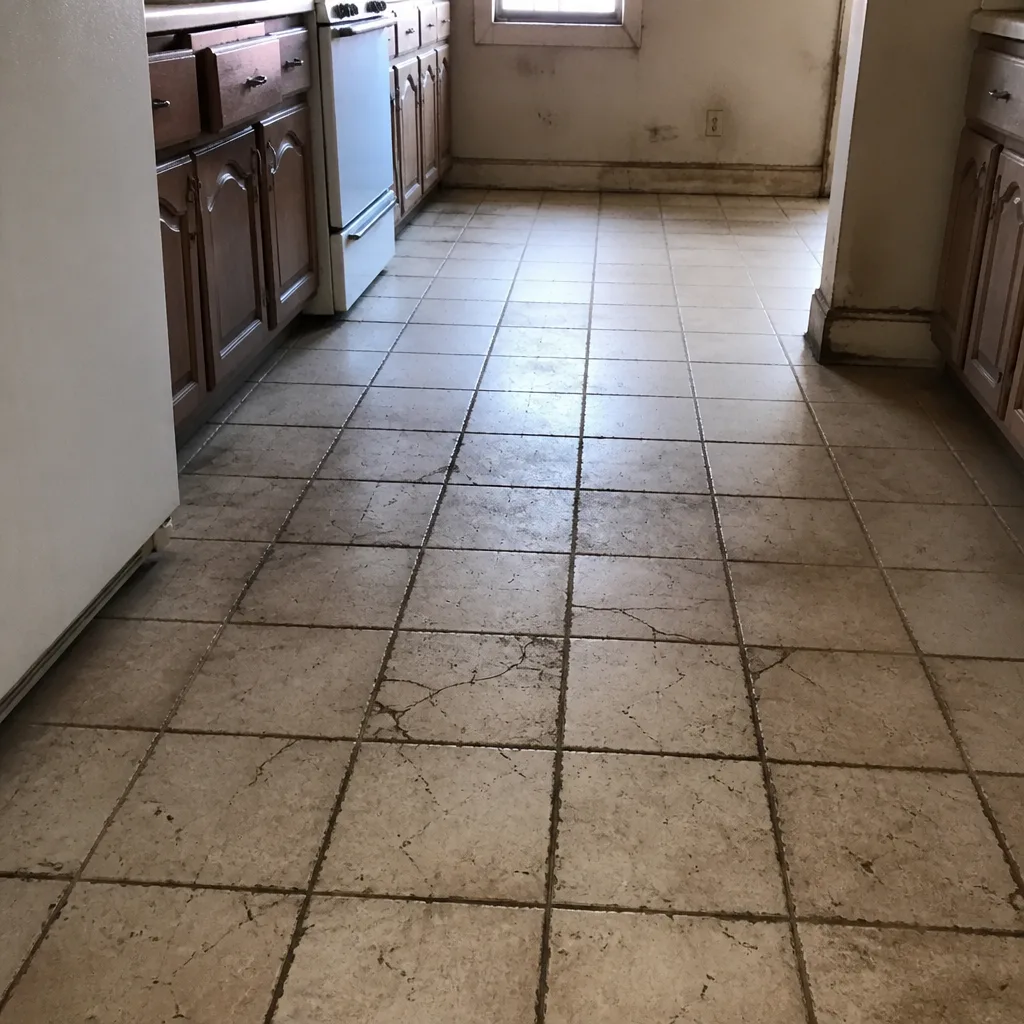 Before
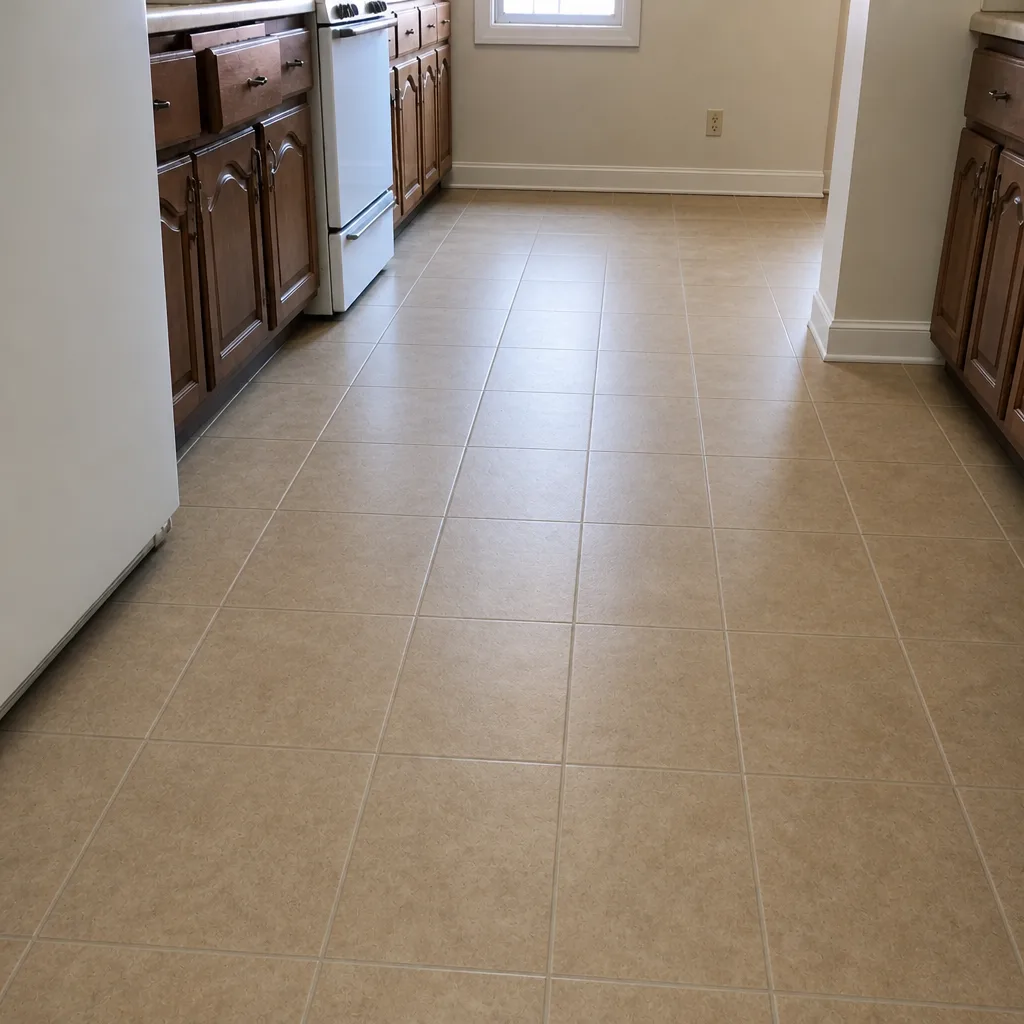 After
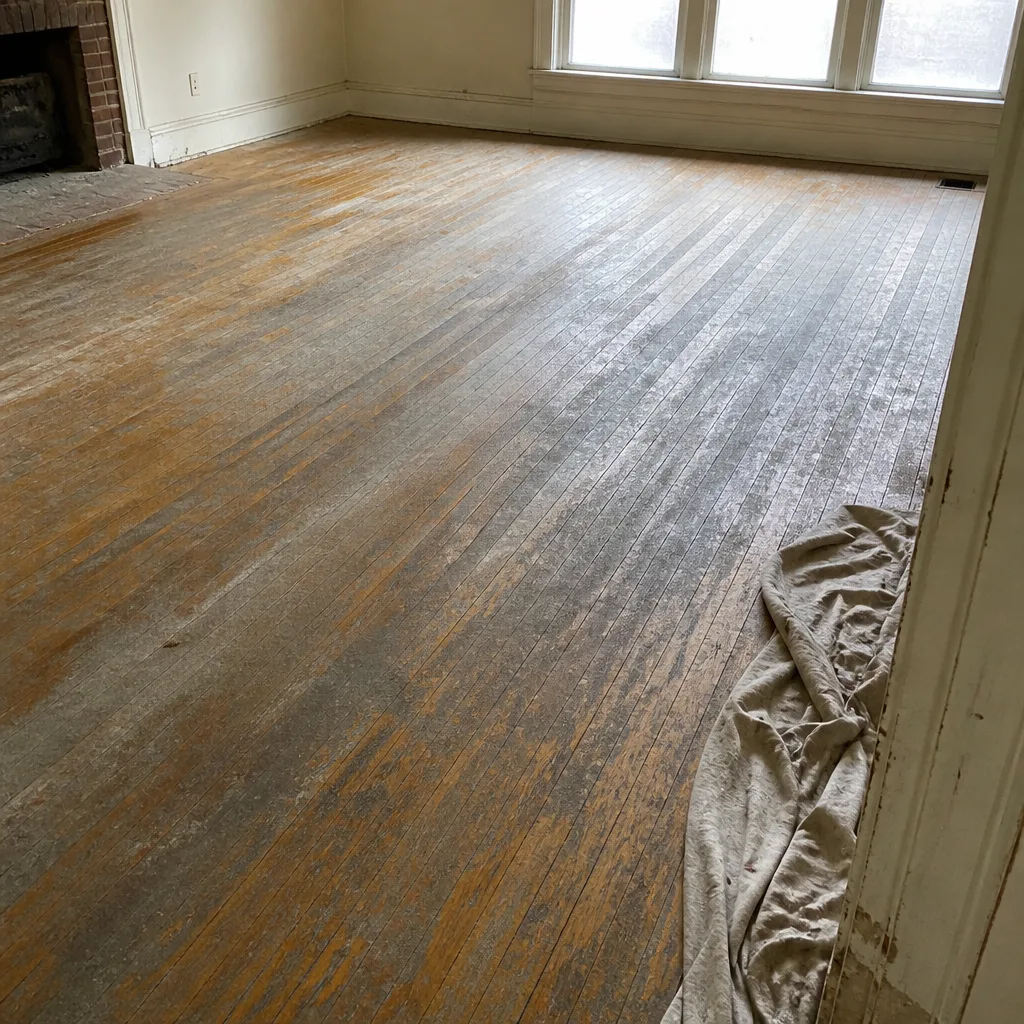 Before
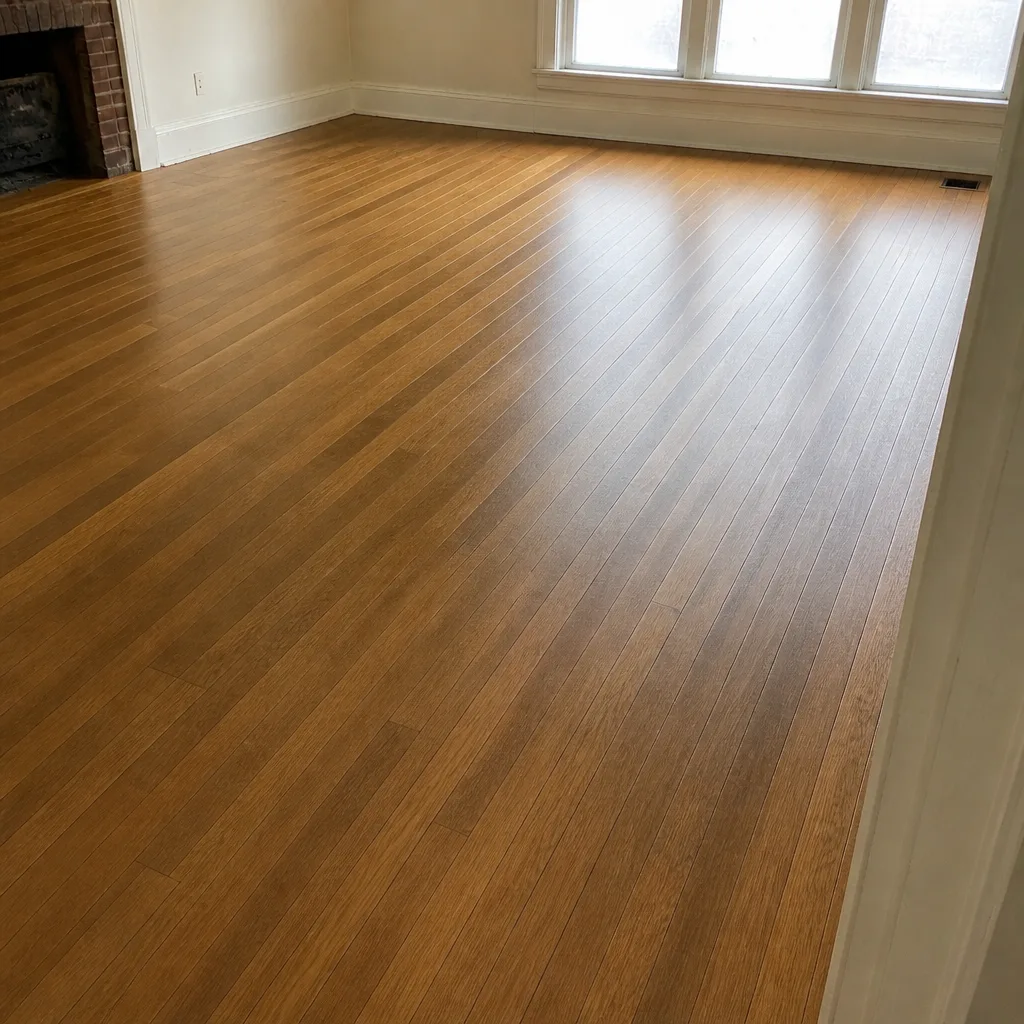 After
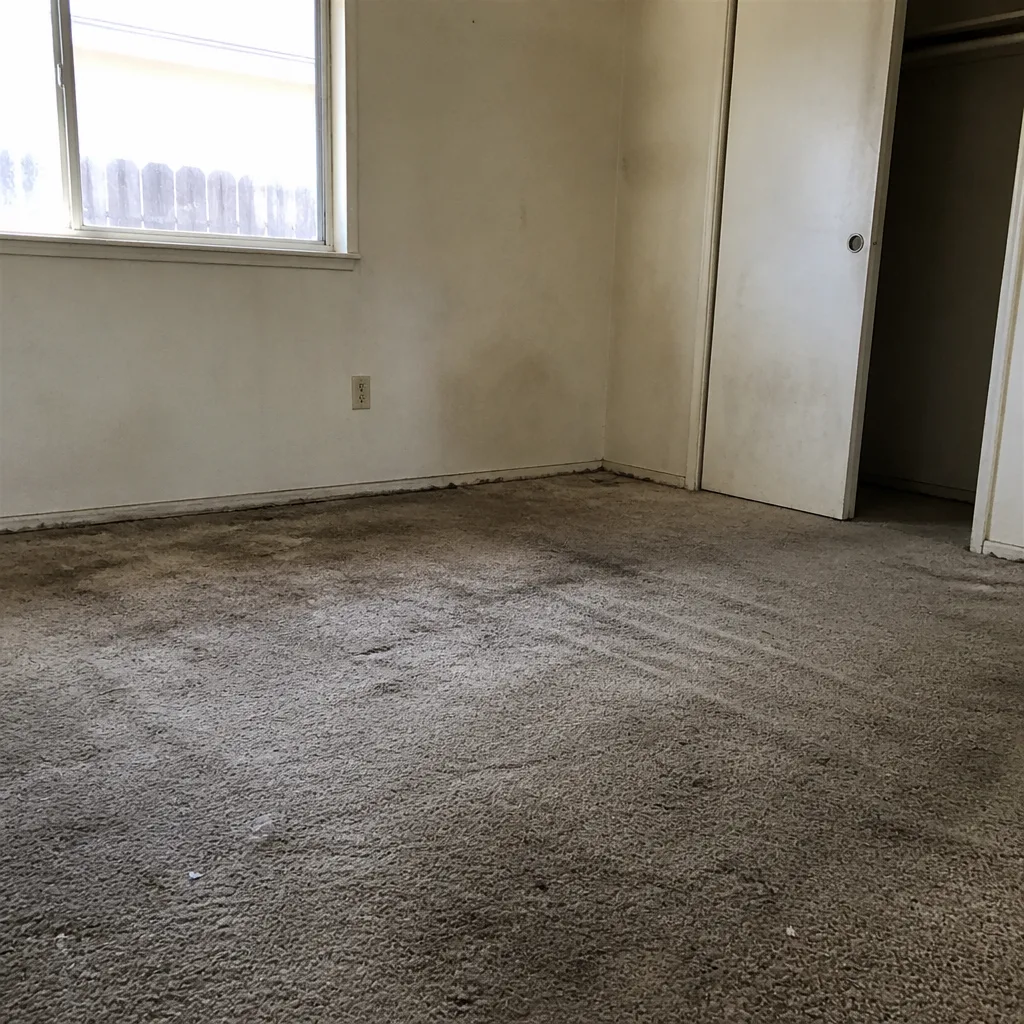 Before
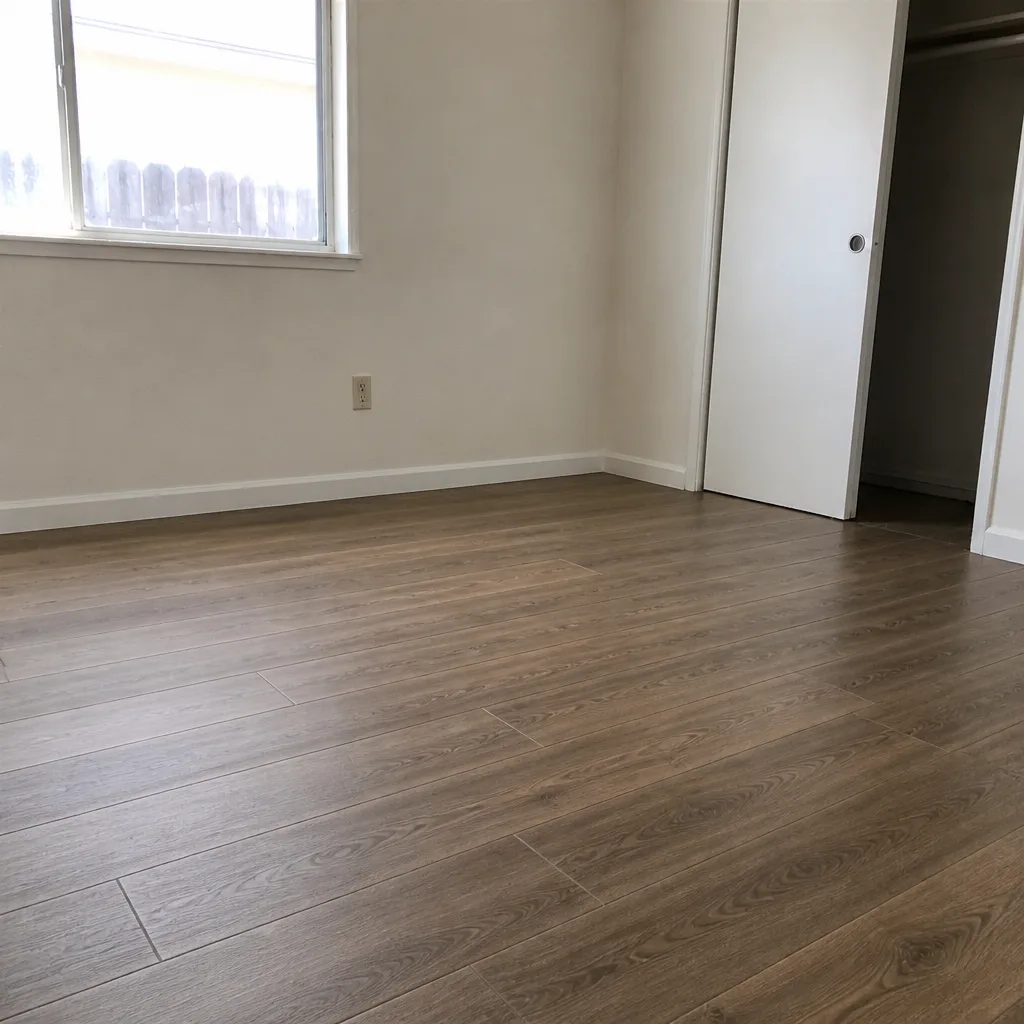 After
Frequently Asked Questions
Porcelain tile and quality SPC-core luxury vinyl plank are the two categories that consistently hold up best in the Las Vegas valley heat and low humidity. Engineered hardwood with a stable core is a strong option if you want real wood. Solid hardwood and entry-level LVP are the categories that fail most often here due to slab heat and dryness. Call (844) 560-4386 for an exact quote. Estimates are free.
Solid hardwood can cup, gap, or crack in Enterprise’s low summer humidity, especially if it’s not acclimated properly or if the home is left unconditioned. Engineered hardwood handles the dryness much better because of its cross-layered core. Whether a specific wood floor will hold up depends on the species, construction, and installation method. Call (844) 560-4386 to schedule a walkthrough. Estimates are free.
An unshaded interior slab in an Enterprise home can climb well past 90°F on a July afternoon, and that slab temperature is the number that actually determines whether a floor stays stable. Every flooring product has a rated service temperature, and if the slab runs above it, even a quality LVP can expand, buckle, or fail at the seams. We check slab temperature as part of every estimate. Call (844) 560-4386 to set one up.
Acclimation is the time a flooring product sits inside the home at indoor temperature and humidity before installation so it reaches equilibrium. In Enterprise it matters more than in a mild climate because the gap between warehouse conditions and interior conditions is bigger. Skipping acclimation in a desert home often leads to failures within the first year, like gapping planks and buckling at seams. How long a product needs depends on the product and the home; the manufacturer and the written estimate set it. Call (844) 560-4386 for a free estimate.
No LVP is truly waterproof against standing water; water-resistant is the accurate term. Spills are fine, and SPC-core products like COREtec and Karndean handle typical household moisture well. Standing water and moisture coming up from below the slab are still separate problems that need to be addressed regardless of the floor. We can walk through the specifics of your room during a free estimate. Call (844) 560-4386.
Refinishing is often possible and preserves the original wood, which in many Enterprise homes is worth protecting. Whether it’s realistic depends on the thickness of the wood and its current condition, and we check both at the estimate visit. When a floor can be refinished, it’s usually the smarter move than replacement. Call (844) 560-4386 and we’ll give you an honest read.
The Bottom Line
Enterprise’s climate isn’t a footnote for flooring; it’s the primary design constraint. Low humidity, hot slabs, and big daily temperature swings stress materials in ways a national guide won’t warn you about. Choose the right categories – porcelain tile, quality SPC-core LVP, and engineered hardwood built for dry air – and you have a real shot at a floor that performs through summer after summer in Enterprise. Then insist on the method: checked slab, proper acclimation, and honest expansion gaps. The material is half the decision; the install is the other half. We install and refinish flooring in Enterprise as a single accountable team across carpet, tile, and hardwood. Same conversation, from first estimate to last threshold.
Call Flooring Installation Enterprise at (844) 560-4386 for a free estimate on your next flooring project. We answer 24/7. Fast dispatch from 7am to 7pm, Sunday through Friday.
Written by the team at Flooring Installation Enterprise.