
Last updated November 18, 2026
 Hardwood
 Engineered hardwood
 Luxury vinyl plank
 Laminate
 Porcelain tile
 Carpet
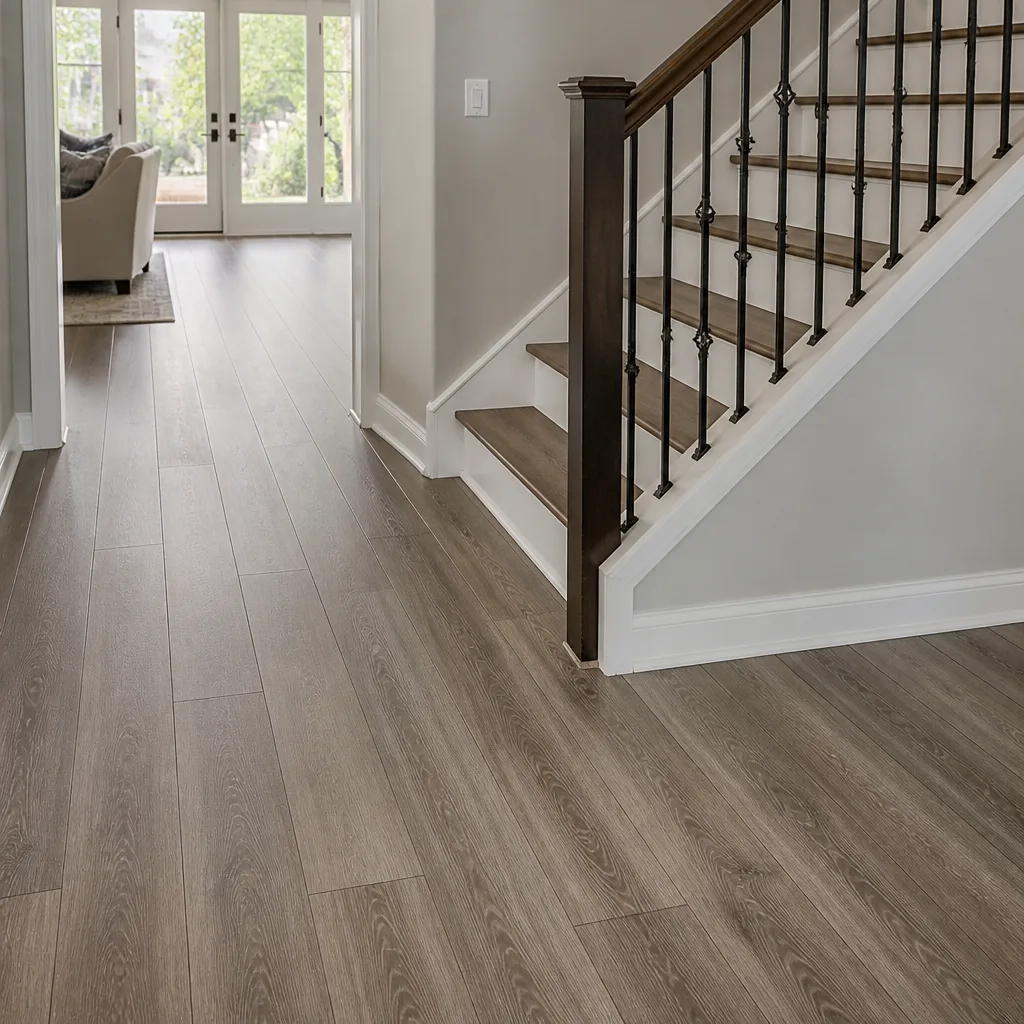 Shaw
 Mohawk
 COREtec
 Pergo
Free in-home measure and written estimate: Shaw, Mohawk, COREtec and Pergo lines compared on your own rooms, with carpet, tile, vinyl plank, laminate and hardwood laid out side by side
Get your free estimateFlooring Installation Questions to Ask Before You Sign
Most flooring disputes don’t start with bad work. They start with a contract that never defined who handles subfloor repairs, what happens if the material is discontinued mid-project, or what “warranty on labor” actually covers. By the time you’re standing in a half-finished room arguing about who pays for a surprise layer of old tile adhesive, the leverage you had at signing is gone. The estimate visit and the contract that follows are your last clear moment to lock down answers. What follows are the questions worth asking before you sign anything, plus what a solid answer sounds like and what should make you slow down. We install and refinish floors across Enterprise, and these are the gaps we see homeowners wish they’d closed earlier.
Quick Answer
Before you sign a flooring contract, get the material spec in writing (brand, product line, colorway, thickness), the labor warranty terms in the contract itself, and a written line on who pays for subfloor repairs found during demo. Never accept 100% payment upfront, and ask whether the crew installing your floor is employed by the company or subcontracted. Vague verbal answers on any of these are a reason to wait, not to sign.
Styles & brands we work with
- Hardwood
- Engineered hardwood
- Luxury vinyl plank
- Laminate
- Porcelain tile
- Carpet
- Shaw
- Mohawk
- COREtec
- Pergo
Table of Contents
- How do you get the material spec in writing?
- What does a labor warranty actually cover?
- Who pays for subfloor prep if a problem turns up during demo?
- What should the payment schedule look like?
- Is the crew employed or subcontracted?
- How does the Enterprise climate affect flooring choices?
- How do you read the scope of work line by line?
- What should you ask on the day you sign?
How do you get the material spec in writing?
“LVP, 5mm” is not a material spec. It’s a shrug. When the material arrives and it’s a thinner, lower-grade product than what you saw in a photo, a contract that says “LVP” gives you nothing to point at. The written scope needs to name the manufacturer, the product line, the colorway or SKU, the thickness, and the square footage of material ordered with an allowance for cuts and waste. For tile, that also means the tile size and the grout line width you agreed on.
We work with nine flooring brands, from Shaw and Mohawk to COREtec and Karndean, and we put the exact product on the quote before a homeowner signs. That’s not paperwork for paperwork’s sake. It’s what protects you if a product gets substituted or a colorway is discontinued mid-project. The contract should say what happens if the specified material becomes unavailable: does the installer come back to you with an approved alternative, or can they quietly swap in something similar? Get that in writing too.
What a solid spec line looks like versus a warning sign
- Solid: Manufacturer name, product line, colorway, thickness, square footage, and the trim and transition pieces listed separately.
- Solid: A written clause stating that any substitution requires your written approval.
- Warning sign: “Premium LVP” or “brand-name carpet” with no product line named.
- Warning sign: A verbal promise that “they’ll bring samples to the house” with nothing on paper.
If you’re weighing which category fits your rooms in the first place, our guide to Flooring Installation Enterprise walks through how carpet, tile, and hardwood compare. Get the category settled before you ask for spec lines on material. It’s easier to negotiate a product once you know what job it’s doing.
What does a labor warranty actually cover?
A labor warranty is only as good as the sentence that describes it. “We stand behind our work” is a feeling, not a clause. The contract should state, in writing, how long the labor warranty lasts, what it covers (gaps, lifting, loose tiles, failed seams), what voids it (moisture intrusion, furniture damage, improper cleaning, DIY repairs on top of the install), and how a claim is made. If any of those four things is missing, ask before you sign.
Separate the labor warranty from the manufacturer warranty on the material. They’re different documents with different holders. The manufacturer warranty covers the product. The labor warranty covers the install. When a problem shows up, the first question is always which warranty applies, and a homeowner who can’t answer that is stuck calling two companies who each point at the other.
Questions to ask specifically about the labor warranty
- How many years does the labor warranty run?
- Which specific problems does it cover?
- What voids it?
- Who do I call, and what’s the process for a claim?
- Is the warranty transferable if I sell the house?
- Is any part of this warranty verbal only?
Any answer to the last question other than “no” is a problem. Verbal assurances don’t survive a change of project manager, a move, or a disagreement. If it matters, it goes in the contract.
Who pays for subfloor prep if a problem turns up during demo?
Subfloor conditions are the single biggest source of uncomfortable mid-project conversations in flooring. A quote is written for the floor the contractor can see on the estimate visit. Then the carpet comes up and there’s a rotten patch, or the old tile adhesive won’t come off clean, or the slab has a low spot that needs leveling before anything goes down. Someone has to pay for that work, and the moment to decide who is before demo starts, not after the crew is already standing on the exposed subfloor with the material sitting in your garage.
How to pre-negotiate subfloor costs
- Ask during the estimate visit what the contractor’s typical subfloor allowance is, and whether the quote includes any prep work at all.
- Get a written per-square-foot rate for subfloor repairs and leveling, agreed up front, so the price is fixed if it’s needed.
- Agree on a threshold: if repairs run over a certain amount, the crew stops and calls you before continuing.
- Put a written approval step in the contract for any change to the original scope, whatever the reason.
The right answer to this question is specific and written. A contractor who quotes you a per-square-foot rate for subfloor repair, in the contract, has thought about this before. A contractor who says “we’ll figure it out if it comes up” is setting you up to negotiate under pressure. In our experience with older homes in Enterprise, subfloor surprises are common enough that this conversation belongs in every estimate.
What should the payment schedule look like?
A deposit at signing is normal. A deposit that’s 100% of the job before any material is ordered or any crew shows up is not, and it’s the clearest disqualifying answer to this question. The standard structure splits payments across the milestones so that the money owed always trails the work done. If a contractor insists on getting paid in full before the first box of material is delivered, walk away from that conversation.
A reasonable payment schedule
- At signing: a deposit sized to cover the material order, not the entire project.
- At material delivery or on the first day of install: a second payment tied to material being on site.
- At substantial completion: the balance, paid after you’ve walked the finished floor and confirmed the install matches the scope.
Ask what happens if the project runs late or a product arrives damaged. The answer should be that payment follows the work, not the calendar. Also ask whether payments are tied to the company or to an individual, and get a written receipt for every payment. We set the price with a written estimate before any work starts, so the payment schedule in the contract mirrors the estimate line by line. That’s the standard to hold any installer to, in Enterprise or anywhere else.
Is the crew employed or subcontracted?
The difference between a crew the company employs and a crew of day labor sourced for a single job matters more than most homeowners realize. If the installer working in your home is an independent subcontractor, the company you signed with may shrug off workmanship problems by pointing at the subcontractor, and the subcontractor may point at the company. You end up in the middle of a dispute with no clear path to recourse. When the crew is employed by the company, that question has one answer.
What to ask about the crew
- Who will be installing my floor, and are they employed by the company or a subcontractor?
- Are they covered by the company’s liability insurance while in my home, or their own?
- Who supervises the work, and who do I call if I have a problem on install day?
- If a subcontractor is used, does the company stand behind their work, in writing?
Whichever answer you get, the important thing is that it’s in the contract. If a company uses subcontractors and still takes full written responsibility for workmanship, the arrangement works. If they use subcontractors and hand you their phone number to handle problems directly, that’s a different project. Our technicians have up to 9 years of experience, and we install carpet, tile, and hardwood as dedicated specialties. Ask any contractor you interview the same four questions above and you’ll know within a few minutes which kind of company you’re talking to.
How does the Enterprise climate affect flooring choices?
Enterprise sits in the Mojave Desert, and desert conditions shape what flooring survives in a home here. Indoor humidity swings widely between summer air conditioning and the drier winter months, and solid wood absorbs that swing by expanding and contracting across the seasons. Carpet and tile handle the dry air well. Vinyl plank, laminate, and engineered wood need their product-specific installation notes followed to the letter. A contractor who waves off those notes is a warning sign.
Climate-driven questions to ask during the estimate
Ask what the specified product requires in terms of acclimation before install, and what the manufacturer’s installation instructions say about temperature and humidity limits in the home. Ask whether the install should be scheduled to avoid extreme weather days on either end. If you’re considering carpet installation, ask how the carpet and pad are chosen for rooms that get direct sun through the windows, since sun exposure is a real consideration in a desert home. If you’re looking at tile, ask how the grout choice handles seasonal movement, especially on floors that take direct sun through large windows.
If you’re considering hardwood, ask whether Enterprise-area homes in your neighborhood tend to have wood floors worth refinishing. Older homes in the area often do, and refinishing is frequently a better move than tearing out and replacing. That’s a question worth asking at the estimate visit before the price is written.
How do you read the scope of work line by line?
The scope section of a flooring contract is where the work gets defined, and it’s also where “we install flooring” turns into vapor. Each room should be listed separately with its own square footage, product, and prep notes. Add-ons like baseboard removal and reinstall, transition strips, stair work, and door trimming should each have their own line. Anything not on a line is a conversation you’ll be having mid-install.
What every scope line should contain
- The room or area name and the measured square footage.
- The product specified for that area, with brand, line, and colorway.
- Demo and haul-away of the old floor, if included.
- Subfloor prep called out specifically or ruled out with a written allowance for repair.
- Trim, transitions, and baseboard work listed separately, with a note on whether they’re removed, replaced, or left in place.
- The final walk-through procedure, and what “done” means in writing.
If a scope is a single paragraph, ask for an itemized version. That’s not an unreasonable request; it’s the normal way a professional estimate gets written. We work with tile flooring installation and large-format tile as a specialty, and large tile demands level, measured subfloors and specific scope lines for grout and layout. A vague scope hides those details, and hidden details become mid-project change orders.
What should you ask on the day you sign?
By the time you sit down to sign, most of the substantive questions should already be answered. The signing-day questions are about confirming what’s in the document, not negotiating it. Read every page, not just the first and last. A contract that’s a single page with three paragraphs isn’t simpler than a long one; it just has fewer answers in it.
Signing-day checklist
- Read the warranty section twice and confirm it matches what you were told.
- Confirm the payment schedule matches your understanding, in dollar amounts and milestones.
- Confirm the material spec includes brand, line, and colorway, and the substitution clause.
- Confirm the subfloor allowance and the change-order procedure are in writing.
- Confirm the crew question (employed or subcontracted) is answered on paper.
- Confirm the start window and the completion window, understanding that the schedule is set at the estimate and depends on material lead times.
- Take a photo of the signed contract, and keep a copy.
The right answer at signing is never “we’ll figure it out.” If a piece of the contract feels unfinished, ask for it to be finished before signing. We do free in-home estimates and written quotes for exactly this reason: the contract starts with a written price, not a handshake. If you sign something in Enterprise where any of these sections is blank, ask for a revised version. The contractor’s reaction will tell you a lot.
Common Mistakes to Avoid
- Accepting “LVP” as a product spec. Without the product line, thickness, and colorway named on the contract, you have no protection if something different shows up at the door.
- Believing a verbal labor warranty. If the warranty isn’t written into the contract with a clear term and a clear claims process, it doesn’t exist the moment a problem comes up.
- Leaving subfloor costs to chance. Desert homes with older concrete slabs can hide low spots and surface issues, and a contract with no subfloor allowance turns those into pressure decisions during demo.
- Paying 100% at signing. A deposit covering material is normal; the full job price before any work starts is not.
- Not asking who’s installing the floor. Employment status changes your recourse if something goes wrong, and this question takes ten seconds to answer.
- Choosing the product before the room has been inspected. A product that performs fine in one home might need specific prep in another, and the estimate visit is where that gets caught.
- Treating the estimate visit as a sales call. It’s the inspection. Bring your questions, take notes, and ask for the written quote in writing before you commit.
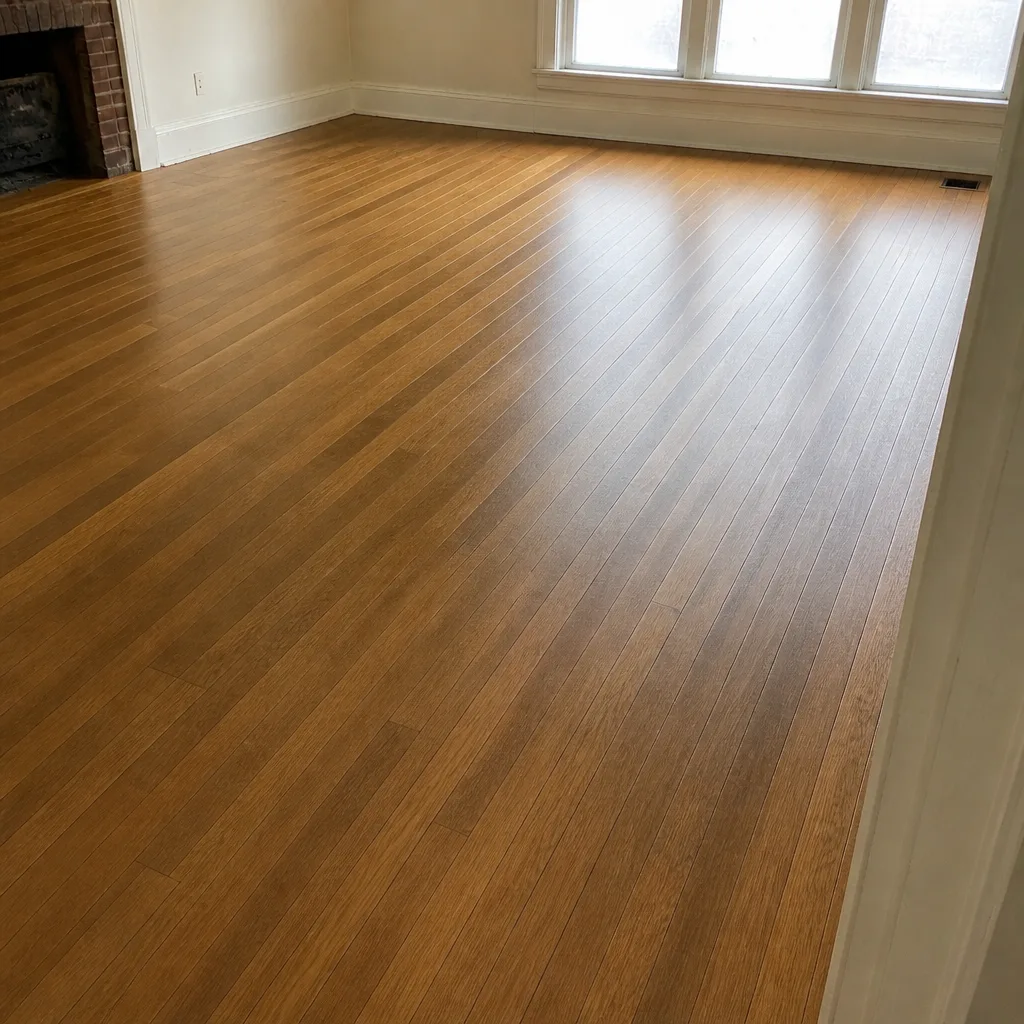
See the difference
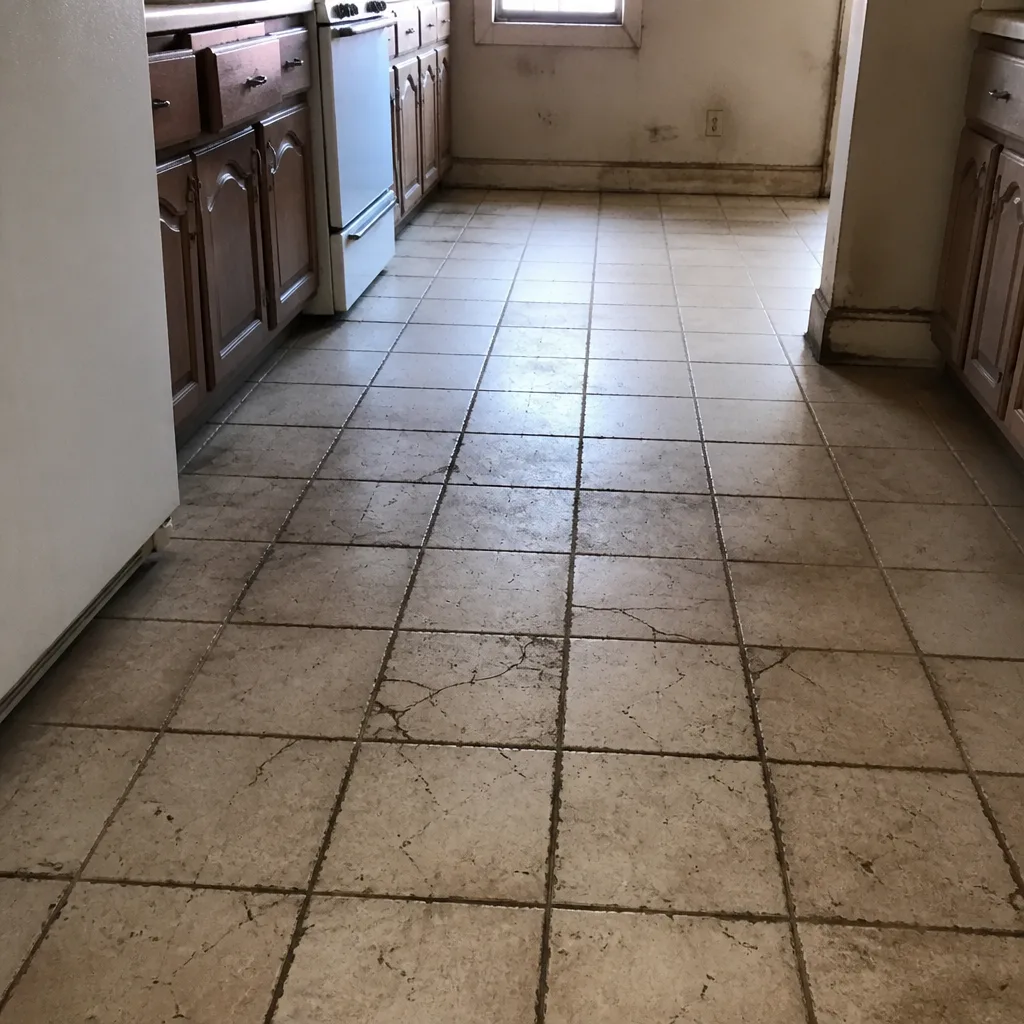 Before
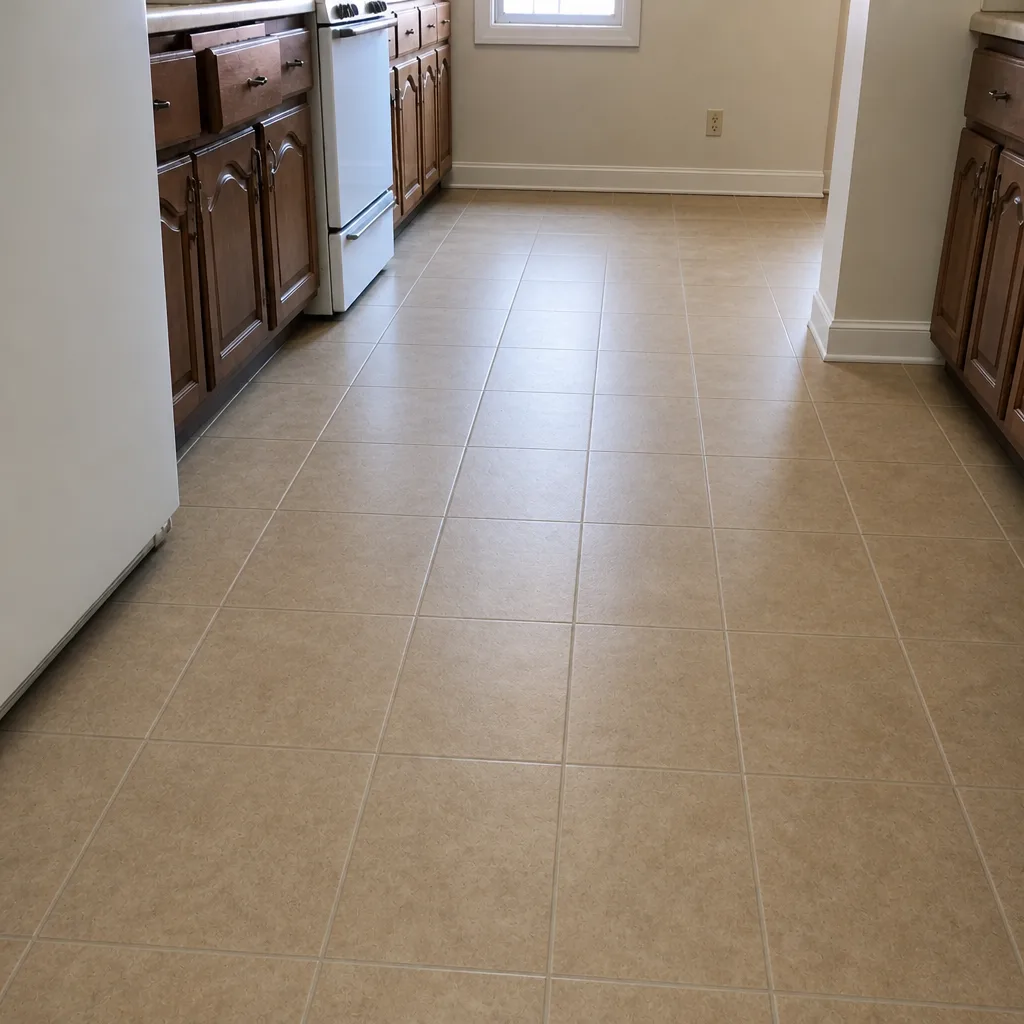 After
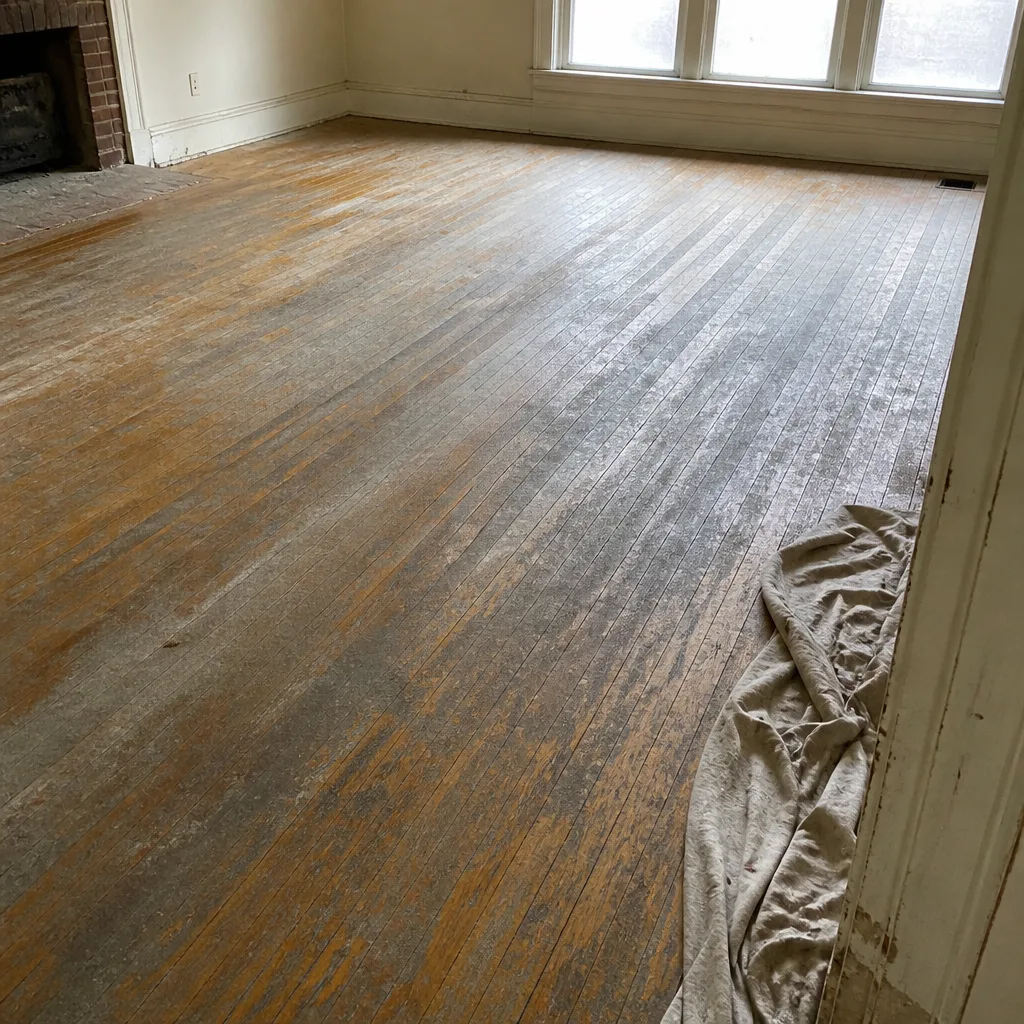 Before
 After
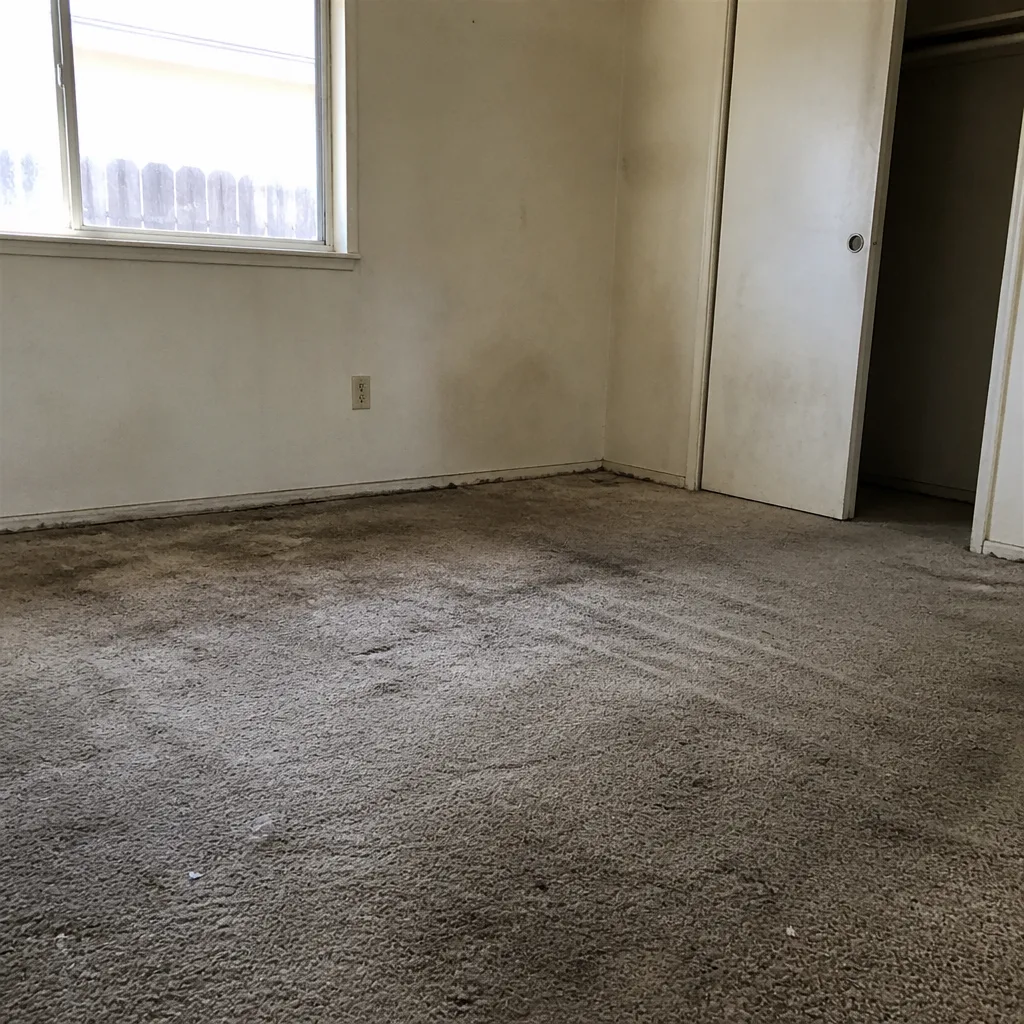 Before
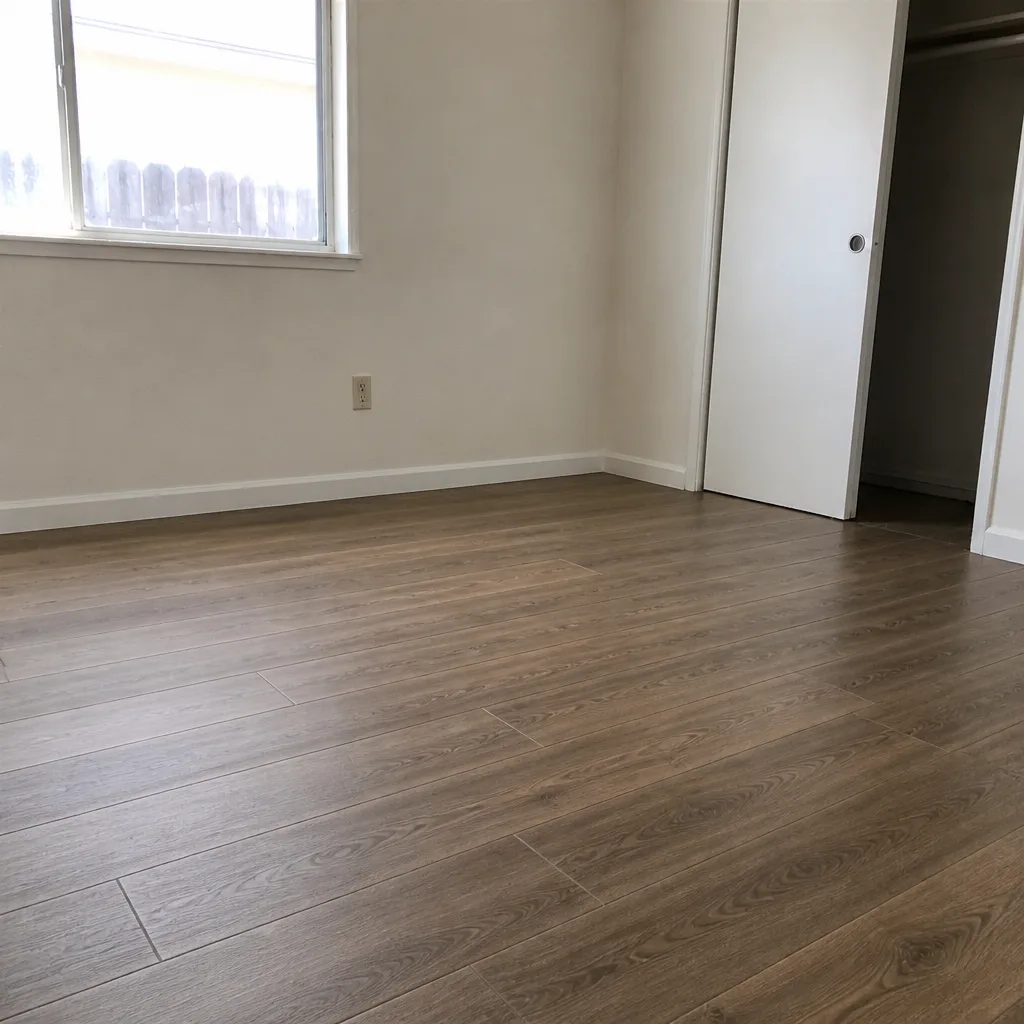 After
When to Call a Professional
Some jobs you can do yourself, and some shouldn’t be. If you’re pulling up old flooring and uncovering subfloor damage, or the floor sits on a slab that hasn’t been leveled, or you’re installing tile that needs precise layout to look right, bring in a flooring specialist. The same goes for hardwood refinishing: sanding a wood floor down to bare wood is a job where an amateur quickly does permanent damage. If you’ve signed a contract and the scope was vague, get a second estimate before the work starts, while you still have leverage. Flooring Installation Enterprise offers free estimates in Enterprise. Call (844) 560-4386 to schedule yours. We answer 24/7, with fast dispatch from 7am to 7pm, Sunday through Friday.
Frequently Asked Questions
The single highest-value question is: “Can you put the material spec, the labor warranty, and the subfloor allowance in writing, in this contract?” Those three items cover the most common sources of flooring disputes. If a contractor can’t answer in writing, that’s your answer. Call (844) 560-4386 for an estimate that starts with a written spec.
No. A deposit at signing is normal, but paying the full job price before material is ordered or before any work begins removes your leverage entirely. A reasonable schedule ties payments to milestones: deposit, material delivery or install start, and balance at completion. Any contractor who insists otherwise is worth crossing off the list.
A labor warranty should cover the installer’s workmanship on things like seam failure, lifting, tile coming loose, and gaps at transitions. It should state its term in years, name what voids it, and describe how a claim is made. Manufacturer warranties on the material are separate documents held by the manufacturer, so ask for both. Get the labor warranty in writing, and get it in the contract itself.
Whoever the contract says. The trick is agreeing on this before demo starts, not after. Ask your contractor for a written per-square-foot rate for subfloor repairs and leveling during the estimate visit, and add a clause requiring your approval for any change to scope. That way, if a problem turns up, the price is already set and you’re not negotiating under pressure.
Yes, because it changes who you can go back to if something goes wrong. Ask whether the crew is employed by the company or a subcontractor and whether they’re covered by the company’s liability insurance. If they are subcontracted, confirm in writing that the company you signed with stands behind their workmanship. One clear written answer is what you’re looking for.
It depends on the material lead time, the size of the job, and any subfloor work discovered at demo, so the schedule is set at the estimate visit. Once the material is on site, most installs for a single room finish in a day or two, while whole-home projects take longer. Ask for the start window and the completion window in the contract, and ask what happens if material is delayed. Call (844) 560-4386 for a free estimate.
The Bottom Line
The contract is the last moment you have the leverage to ask. Once you’ve signed, your only recourse is whatever the document says, so the questions above are the ones worth asking before you sign anything. Get the material spec in writing, down to the product line and colorway. Get the labor warranty in the contract, not in a promise. Pre-negotiate subfloor costs with a written per-square-foot allowance and an approval step for changes. Understand the payment schedule and never pay 100% upfront. And ask who’s actually installing the floor. A contractor who answers those clearly is a contractor you can work with.
At Flooring Installation Enterprise, we install carpet, tile, and hardwood, and we refinish existing wood floors as a specialty, working with nine industry brands from Shaw and Mohawk to COREtec and Karndean. Our technicians have up to 9 years of experience, and every job starts with a free in-home estimate and a written quote. Call (844) 560-4386 to schedule yours. We answer 24/7, with fast dispatch from 7am to 7pm, Sunday through Friday, closed Saturday.
Written by the team at Flooring Installation Enterprise.